
Dam-controlled rivers in Colorado maintain steady, regulated water releases throughout the summer. This means rafters enjoy reliable flows regardless of snowmelt levels or drought, making Colorado rafting in 2026 a safe, plannable adventure from June through August.
Introduction
If you have been wondering whether Colorado rafting trips in 2026 are worth booking, the short answer is yes, and the reason comes down to smart river management. Colorado’s most popular rafting rivers aren’t left to nature’s unpredictability alone. Dams and reservoirs work quietly behind the scenes to keep water flowing at raftable levels all season long.
Whether you are a first-timer eyeing a scenic float or an experienced paddler chasing whitewater thrills, understanding how dam-regulated releases shape your experience helps you plan smarter and paddle better.
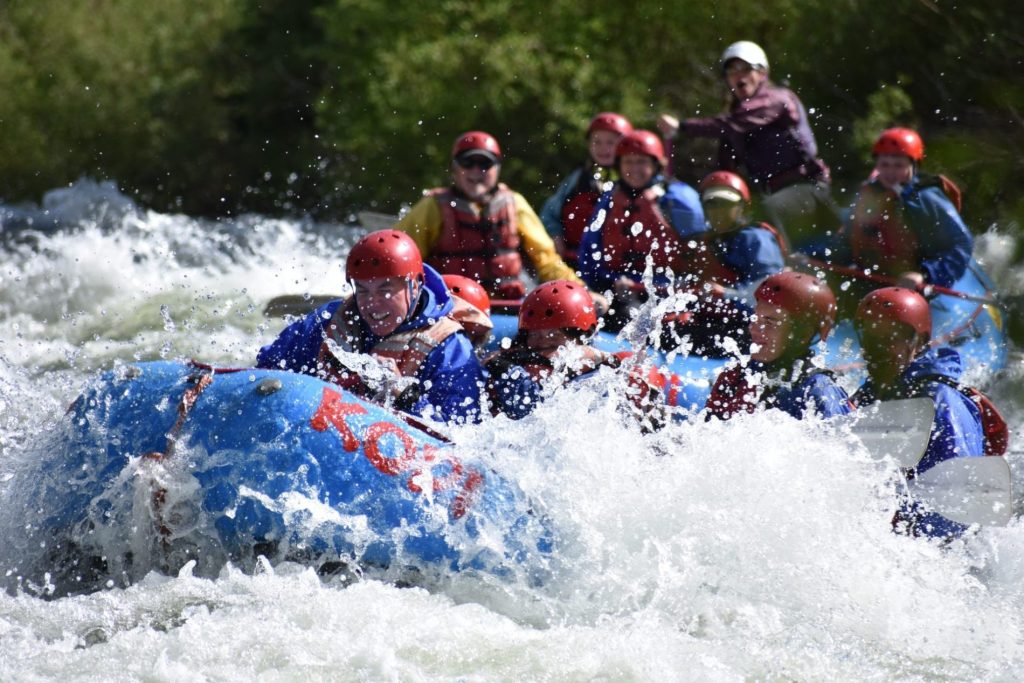
What Makes Colorado’s Rivers Different from Other Rafting Destinations?
Most rafting destinations worldwide are entirely at the mercy of seasonal snowmelt and rainfall. Rivers run high and fast in spring, then taper off to a trickle by late summer. That unpredictability makes trip planning frustrating and sometimes dangerous.
Colorado’s major rafting rivers, including stretches of the Arkansas River, Colorado River, and Clear Creek, benefit from upstream reservoirs and dams that act as flow regulators. Water managers release controlled volumes downstream based on downstream demand, irrigation schedules, and recreational needs. The result: more consistent rafting windows that extend well into August and sometimes September.
Key rivers in Colorado with regulated flows include:
- Arkansas River (Browns Canyon, Royal Gorge)
- Colorado River (Upper Colorado, Gore Canyon)
- Clear Creek (near Idaho Springs)
- Cache la Poudre River (near Fort Collins)
How Dam-Controlled Releases Work, and Why It Matters for Your Trip
Understanding Regulated Water Releases
Upstream dams hold snowmelt and rainfall in reservoirs throughout spring. As summer progresses and natural runoff decreases, water managers begin scheduled releases to maintain downstream flows. This controlled outflow keeps rivers at safe, paddleable levels during the peak vacation season, June, July, and August.
For Colorado rafting in 2026, this means outfitters can schedule trips with greater confidence, guides can anticipate river conditions more accurately, and you as a rafter face fewer last-minute cancellations due to low water.
What ‘CFS’ Means and Why You’ll Hear It a Lot
CFS stands for Cubic Feet per Second, the standard measure of river flow. A higher CFS means faster, more powerful water. Dam operators target specific CFS ranges that balance recreational use, irrigation needs, and environmental flows. Most beginner-friendly stretches run well between 300–800 CFS. Technical whitewater sections become exciting in the 1,000–2,500 CFS range.
Because dams can fine-tune releases to specific CFS targets, Colorado’s regulated rivers offer something rare: predictable adventure. For families planning vacations, groups coordinating trips, and visitors traveling from out of state, that predictability makes it easier to book with confidence.
Why 2026 Is a Strong Year for Colorado Whitewater Rafting
Snowpack across Colorado’s mountains through the 2025–2026 winter was above average in several key basins. That means reservoirs entered 2026 with solid storage levels, giving water managers more flexibility to maintain recreational releases throughout the summer without compromising agricultural or municipal needs.
Combine strong reservoir storage with increasingly refined dam-release scheduling, and Colorado whitewater rafting in 2026 is shaping up to be one of the more accessible and well-flowing seasons in recent years.
What this means for summer rafting trips:
- Longer, more reliable rafting windows, potentially into early September
- Consistent class ratings on popular stretches, so you know what you’re signing up for
- Guides can better match trip difficulty to your group’s skill level
- More trip availability from outfitters throughout peak season
Best Times to Go Colorado Rafting in 2026
Even with dam regulation smoothing out seasonal extremes, timing still matters. Here’s a general breakdown of what to expect across the rafting season:
| Month | Flow Level | Best For | Difficulty |
| May–June | High (dam-managed) | Experienced paddlers | Class III–V |
| July | Moderate–High | Intermediate rafters | Class II–IV |
| August | Steady (regulated) | All skill levels | Class I–III |
| September | Lower, mellow | Families, beginners | Class I–II |
Every season offers a different experience. Early summer typically brings faster water and more excitement, while late summer often provides warmer temperatures, steadier flows, and ideal conditions for families and first-time rafters.
Choosing the Right Colorado River Trip for Your Skill Level
Not every stretch of river is the same, even on regulated waterways. Dam releases affect overall volume, but the canyon geology and gradient determine the actual rapids. Here’s a quick guide to matching river sections to experience:
- Beginners and Families
Look for Class I–II sections with calm stretches and manageable waves. The Upper Arkansas near Buena Vista or the upper Colorado River near Kremmling offer gentle floats with scenic canyon views, ideal for first-timers and kids.
- Intermediate Paddlers
Class III rapids offer a real challenge without requiring years of experience. Browns Canyon on the Arkansas River is one of Colorado’s most popular intermediate runs, exciting, beautiful, and well within reach for most healthy adults.
- Advanced and Expert Rafters
The Royal Gorge section of the Arkansas or Gore Canyon on the Colorado River deliver Class IV–V whitewater that demands experience and physical fitness. These runs are not for casual paddlers but are world-class for those who qualify.
Final Thoughts: Plan Your Colorado Rafting Trip with Confidence
Colorado rafting in 2026 stands on solid footing, quite literally. Upstream reservoirs and carefully managed dam releases mean the rivers you’ve been dreaming about are running well, predictably, and safely through the heart of summer.
Whether you are visiting from abroad or road-tripping from across the US, the combination of strong snowpack storage and regulated river management makes this one of the better seasons to experience Colorado’s world-class whitewater. Book early, choose the right difficulty level for your group, and trust that the water will be there waiting.
Ready to get on the water? KODI Rafting offers guided trips on some of Colorado’s most popular rivers, with options for families, first-time rafters, and experienced paddlers alike. Visit whitewatercolorado.com or call (877) 747-7238.
Frequently Asked Questions About Colorado Rafting 2026
| Question | Answer |
| Is Colorado rafting safe in summer 2026? | Yes. Dam-regulated rivers provide consistent, predictable flows. Always raft with a licensed outfitter, wear a PFD, and choose a difficulty level matched to your experience. |
| What is the best month for Colorado rafting? | July and August offer the most balanced conditions — strong enough for excitement, regulated enough for safety. Great for a wide range of skill levels. |
| Do I need experience to go rafting in Colorado? | Not for beginner runs. Class I–II sections are designed for first-timers. Guides handle navigation; you just need to follow instructions and paddle when asked. |
| How do dam releases affect river difficulty? | Higher releases increase CFS, making water faster and rapids more powerful. Outfitters monitor daily CFS and adjust trip recommendations accordingly. |
| Can kids go whitewater rafting in Colorado? | Yes, on appropriate sections. Many outfitters welcome children aged 4–6 on gentle floats and age 7–12 on intermediate runs. Always confirm age limits before booking. |
| What should I bring on a Colorado rafting trip? | Wear quick-dry clothing, secure footwear, and sunscreen. Most outfitters provide wetsuits, helmets, and personal flotation devices as part of the trip package. |