
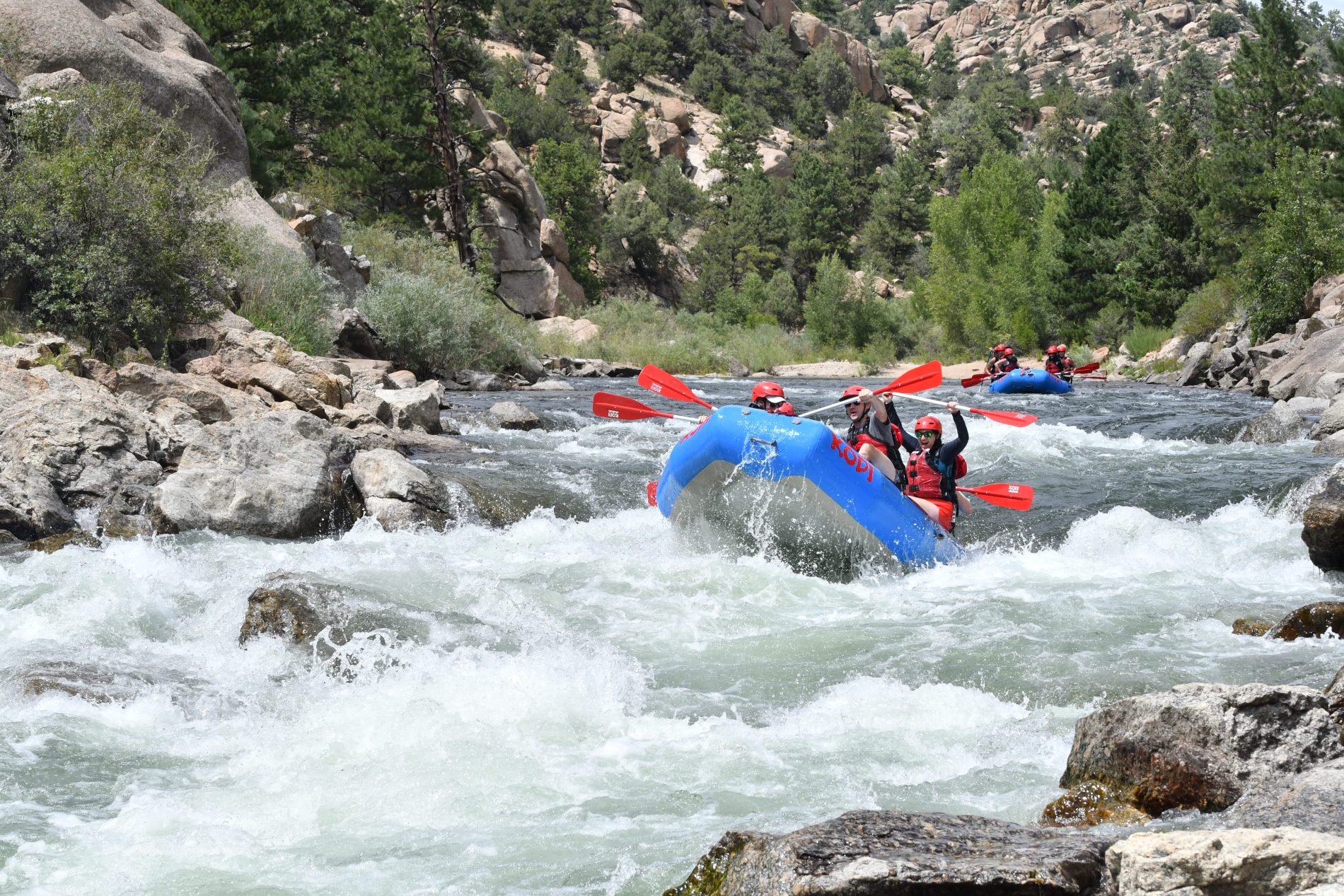
High Water Rafting in Colorado: When to Go for the Biggest Rapids of the Season
Let's be honest, not all rafting is created equal.
Scenic summer floats are great. But high water season is when Colorado rivers really come alive. If you want the kind of trip where your adrenaline kicks in, your paddle arm gets a real workout, and you step off the raft with the biggest grin of your life, that's high water rafting. And Colorado does it better than just about anywhere else.
The catch? You have got to show up at the right time. Miss the window, and you will be paddling a very different river.
Here's everything you need to know to time it perfectly.
What exactly is the High Water Season?
Every spring, Colorado's snowpack starts melting. All that mountain snow has to go somewhere: straight into the rivers.
That surge of snowmelt is what drives the high water season, pushing river levels (measured in cubic feet per second, or CFS) way up. The result: bigger waves, faster currents, and rapids that earn their reputation.
The sweet spot is usually late April through mid-July. But it shifts every year based on how much snow fell the previous winter and how fast spring temperatures rise. A big snow year can keep rivers running wild well into July. A dry year might peak and drop by early June.
Want to know what kind of season is coming? Keep an eye on snowpack reports from the USDA Natural Resources Conservation Service (NRCS). We check them constantly. Snowpack levels are one of the biggest indicators of how strong the rafting season will be.
The Colorado Rivers That Come Alive at High Water
Not every river transforms during runoff. These do, and they are worth planning your whole trip around.
Arkansas River — Royal Gorge: This is the one. The Royal Gorge section of Arkansas is iconic on a normal day. At high water, rapids like Sunshine Falls hit differently, faster, louder, more powerful. This section is best for experienced paddlers, and at peak CFS, it delivers some of the most powerful whitewater in Colorado.
Clear Creek, just a quick shot west of Denver, offers fast, technical whitewater during snowmelt season. The canyon section is fast, technical, and a total blast for paddlers who want a challenge without driving hours into the mountains.
Colorado River — Gore Canyon: Gore Canyon is Colorado's most serious commercial run. Class V at high water. It's not for everyone, and that's exactly what makes it special for those who are ready. A true bucket-list run for experienced paddlers.
Cache la Poudre River: One of Colorado's Wild and Scenic Rivers, the Poudre runs hard and fast each spring. A great fit for intermediate paddlers who want real whitewater without committing to the gnarliest runs on the list.
How to Know You are Hitting Peak Flows
River gauges are your best friend. USGS Water Watch gives real-time CFS data for rivers across Colorado. Bookmark it. Check it obsessively.
A quick cheat sheet for reading the numbers:
- Under 800 CFS: Moderate conditions, great for beginners and families.
- 800–2,000 CFS: Bigger waves and more technical whitewater. Strong intermediate to advanced whitewater.
- 2,000+ CFS: Full high-water conditions and expert-level rafting. Full-on Colorado whitewater.
And always, check in with your outfitter before booking. We monitor river conditions daily during the season and will tell you straight up whether the timing and the trip match your skill level.
Stay Safe Out There
High water rafting is not a mellow summer float. The river is faster, the hydraulics are bigger, and there are fewer calm eddies to catch your breath and regroup. Currents that feel manageable at 600 CFS feel entirely different at 2,500 CFS, and high water conditions can change the river quickly, even for experienced paddlers.
That doesn't mean it's reckless. It means it demands the right preparation. Go in informed, geared up, and guided, and it becomes one of the safest thrills you'll ever chase.
Here’s what that looks like on the water :
- Go with a certified, experienced guide. Not optional at high water. Full stop. A good guide reads the river in real time, knows the lines through every rapid, and knows exactly what to do when things get spicy.
- Wear your PFD and helmet. Every single time. No exceptions. No "just this once." The gear exists for a reason, and high water conditions make proper gear essential.
- Wetsuit or drysuit up. Snowmelt water runs 40–55°F even on warm bluebird days. That cold hits fast when you're swimming. Dress for the water temperature, not the air temperature. Cold water protection is critical during snowmelt season.
- Actually listen during the safety briefing. You’ve probably heard it before. Listen anyway. Your guide covers specific conditions for that day, that river, that flow level. Those briefings are built around the exact river conditions you’ll face that day.
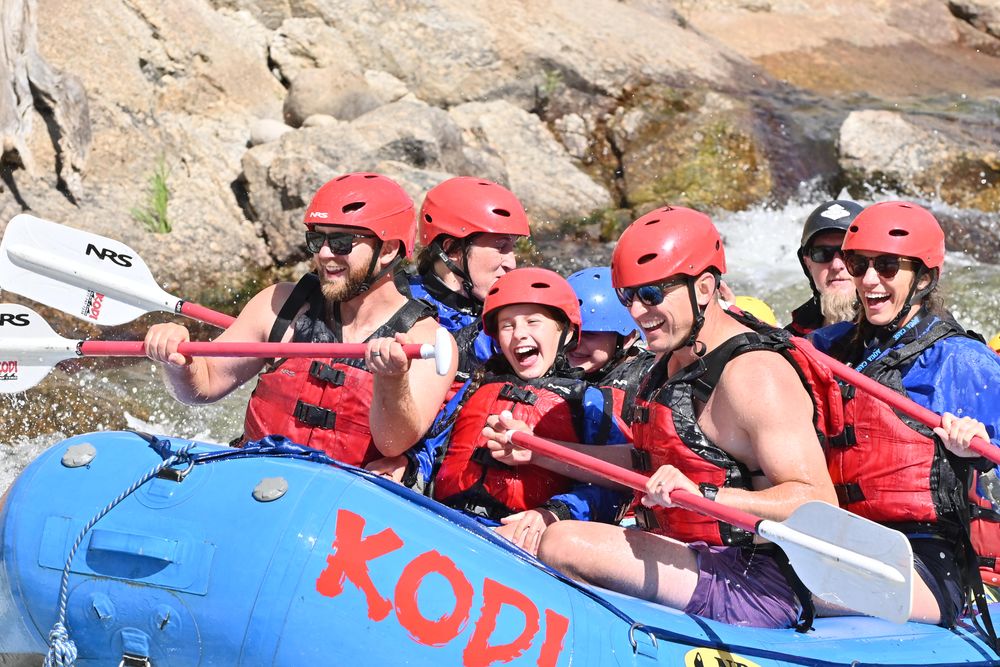
Do it right, and high water rafting is one of the most exhilarating, memorable, fully alive experiences you can have in Colorado. We've watched thousands of guests step off the raft completely soaked, absolutely buzzing, and immediately asking when they can do it again. That reaction never gets old.
The Early Rafter Gets the Rapids
High water season is the most sought-after window on the Colorado rafting calendar, and outfitters know it. Weekends in Arkansas through May and June fill up weeks in advance. If you've got a group, a specific date, or a particular river in mind, waiting until the last minute is a gamble you really don't want to take.
Our best advice? Lock in your spot at least 4–6 weeks ahead of your target dates. That way, you are choosing your window, not settling for the best available launch times and river sections. Early booking also gives you time to monitor flow conditions, pick the right trip for your skill level, and show up on the day with zero stress and maximum excitement.
The river runs on its own schedule. The good news is, so can you, if you plan ahead.
Ready to experience Colorado at peak flow?
KODI Rafting has been guiding high-water rafting trips since 1986, with adventures ranging from beginner-friendly floats to serious whitewater runs during peak runoff season.
Explore trips and reserve your spot at whitewatercolorado.com
Call (877) 747-7238 to plan your trip
Peak flow windows fill fast. Book early for the best river conditions of the season.
Frequently Asked Questions
Q1: What does Colorado's 2026 snowpack mean for high water rafting this season?
Below-average snowpack usually means lower flows statewide, but even lower snowpack years can still offer excellent rafting conditions. Dam releases and reservoir systems keep rivers like the Arkansas running all summer long.
Q2: How cold is the water during high water rafting season?
Snowmelt rivers run 40–55°F even on warm sunny days. Wetsuits are non-negotiable. Cotton is a big no. Proper cold-water gear is essential during runoff season.
Q3: Can beginners do high water rafting in Colorado?
Not on every river. High water raises difficulty levels and age minimums fast. Beginners should stick to guided, beginner-friendly sections, like the Upper Colorado, until they're ready to level up.
Q4: When exactly is peak high-water rafting season in Colorado?
Late May through mid-June is the typical peak. June usually brings the highest CFS flows as mountain snowmelt runoff reaches its seasonal peak. Mark your calendar.
Q5: How far in advance should I book a high-water rafting trip?
4–6 weeks minimum. Peak weekends in May and June go fast, and booking early means you can actually target the best flow windows of the season instead of taking whatever's left.
