
The best backcountry ATV trails in Colorado include the Alpine Loop (San Juan Mountains, Class III–IV), Taylor Park (Gunnison National Forest, all skill levels), Grand Mesa (150+ miles of OHV trails), Rainbow Falls (family-friendly near Denver), and Engineer Pass (expert-level high alpine). The season typically runs from June through September, with trails opening after snowmelt clears the high passes.
Introduction
Colorado doesn’t do anything small, not its mountains, not its views, and definitely not its off-road trail systems. With thousands of miles of designated OHV routes threading through national forests, alpine meadows, and historic mining country, the state is a genuine destination for backcountry riders from around the world.
Whether you are planning your first trail ride or looking to push your limits at 13,000 feet, Colorado delivers. Here’s a trail-by-trail breakdown of where to go, what to expect, and everything you need before you hit the dirt.
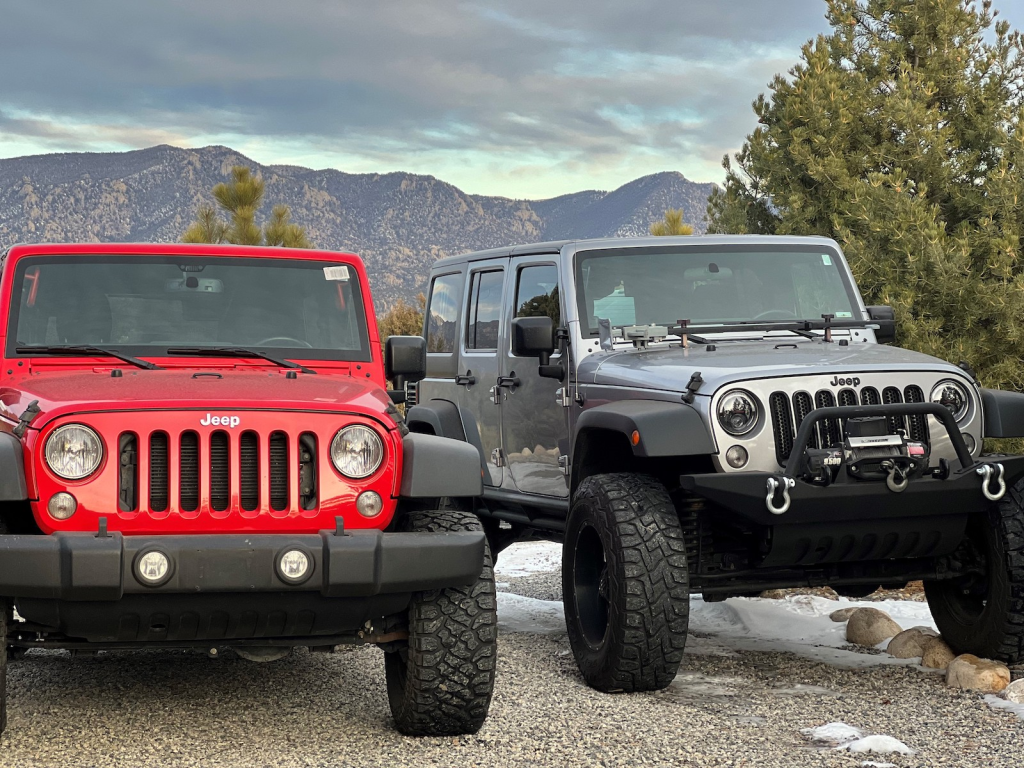
What Makes Colorado’s Off-Road Trails Stand Out?
Most states have trails. Colorado has terrain. The combination of factors that makes it special:
- Elevation variety routes climb from forested foothills to exposed 13,000-foot alpine passes
- Mining history, hundreds of miles of trails follow old mining roads through ghost towns and historic ruins
- Scale Grand Mesa alone offers 150+ miles of OHV trails; the Alpine Loop system covers roughly 65 miles of designated motorised routes
- Accessibility rental outfitters, guided tours, and base towns like Silverton, Lake City, and Crested Butte are set up specifically for OHV visitors
One important note for 2026: Colorado requires an OHV permit for any licensed or plated vehicle used recreationally on the state’s 80+ Full-Size Trails. Out-of-state vehicles with home-state OHV permits are not exempt; you’ll need a Colorado-specific permit regardless of where you’re registered. It’s easy to get through Colorado Parks and Wildlife online.
The Best Backcountry ATV Trails in Colorado
1. Alpine Loop San Juan Mountains (Most Iconic)
Location: Silverton / Lake City / Ouray
Difficulty: Moderate to Challenging (Class III–IV)
Season: June 1 – September 30
Best For: Experienced riders, history lovers, full-day adventures
The Alpine Loop is the crown jewel of Colorado off-road riding. Roughly 65 miles of designated motorised trail wind through the heart of the San Juan Mountains, connecting Silverton, Lake City, and the ghost town of Animas Forks via Cinnamon Pass and Engineer Pass.
What makes it special isn’t just the trail, it’s the context. You’re riding through decades of Colorado mining history, past ruins, alpine lakes, and wildflower meadows at elevations that regularly top 12,000 feet.
Practical notes:
- Silverton is the more OHV-friendly base town with fuel, food, and supplies without crossing Hwy 550
- A valid driver’s license is required for all OHV operators on the Alpine Loop
- Weather changes fast at elevation, always bring layers and check conditions before departing
- The 2026 highway program runs from June 1 to September 30, allowing OHVs on designated sections of Hwy 149
2. Taylor Park Gunnison National Forest (Best for All Skill Levels)
Location: Near Almont, Gunnison County
Difficulty: Easy to Moderate
Season: Summer through early October
Best For: Families, beginners, and riders wanting variety
Taylor Park sits in the Gunnison National Forest and offers one of the most diverse trail networks in the state. Wide-open loops surround the Taylor Park Reservoir, with options for casual scenic rides and more technical backcountry exploration.
What competitors rarely mention: Taylor Park is ideal for mixed-group riding. The trail variety means beginners and experienced riders can head out together, and each find something that suits their level. The reservoir setting adds a camping and fishing dimension that turns a trail day into a full weekend.
3. Grand Mesa Grand Junction Area (Most Miles)
Location: Near Grand Junction, Western Colorado
Difficulty: Easy to Moderate
Season: Late spring through fall
Best For: Riders wanting distance and scenery
Grand Mesa is the largest flat-top mountain in the world, and it’s threaded with over 150 miles of ATV-accessible trails through aspen groves, mountain lakes, and wildflower meadows. Based out of Grand Junction, which sits within 1.6 million acres of public land, this is a hub for off-road riding in western Colorado.
Local outfitter Adrenaline Driven Adventures offers guided tours and rentals directly in Grand Junction, making it accessible even for riders without their own equipment. Riders can spend entire weekends exploring interconnected trails that pass alpine lakes, aspen groves, and high-country overlooks. During fall, the changing aspens make Grand Mesa one of Colorado’s most scenic riding destinations.
4. Rainbow Falls Front Range (Best for Day Trips from Denver)
Location: Near Woodland Park, El Paso County
Difficulty: Easy to Moderate
Season: Spring through fall
Best For: Families, first-timers, Denver day-trippers
Rainbow Falls delivers shaded forested trails, granite rock sections, and the kind of scenery that makes a half-day feel worth the drive. It’s one of the most accessible trail systems on the Front Range, close enough to Denver for a day trip, but varied enough to keep experienced riders engaged.
The waterfall sections are genuinely scenic, not just a marketing name.
5. Engineer Pass — San Juan Mountains (Most Extreme)
Location: Ouray / Lake City area
Difficulty: Challenging to Expert (Class IV–V)
Season: July–September (snow-dependent)
Best For: Expert riders, adrenaline seekers
Engineer Pass crests at over 13,000 feet and connects to the broader Alpine Loop system. The views from the summit are extraordinary, but so is the exposure. Rocky ledges, steep shelf roads, and unpredictable high-alpine weather make this a trail for experienced riders who know their equipment and their limits.
Connect from here to iconic routes like Cinnamon Pass, California Pass, and Picayne Gulch for a full multi-day backcountry experience.
Trail Comparison at a Glance
| Trail | Difficulty | Best For | Season Window | Base Town |
| Alpine Loop | Moderate–Challenging | Experienced riders | June–Sept 30 | Silverton / Lake City |
| Taylor Park | Easy–Moderate | All skill levels, families | Summer–Oct | Almont / Gunnison |
| Grand Mesa | Easy–Moderate | Distance riders | Late spring–fall | Grand Junction |
| Rainbow Falls | Easy–Moderate | Families, day trips | Spring–fall | Woodland Park |
| Engineer Pass | Challenging–Expert | Expert riders | July–Sept | Ouray / Lake City |
What You Need to Know Before You Ride in Colorado
OHV Permit: Required on all 80+ Full-Size Trails in Colorado for any licensed vehicle used recreationally. Out-of-state registrations don’t count; purchase a Colorado OHV permit through Colorado Parks and Wildlife before you go.
Trail opening times: High-elevation trails like Engineer Pass and parts of the Alpine Loop don’t open until July, when snowmelt clears the passes. Always check current conditions with the local Ranger District or BLM Field Office.
Width restrictions: Many trails in the San Juan National Forest are open only to ATVs and UTVs 50 inches wide or less. Wider side-by-sides may not have full access. Verify your vehicle’s specs against trail requirements before booking.
Speed and road laws: OHV operation on Colorado state and county roads is prohibited (with limited exceptions). Follow posted speed limits and all local county OHV regulations.
Conclusion
Colorado’s backcountry trail network is one of the best in North America, full stop. From the history-soaked San Juan Mountains to the vast open riding at Grand Mesa, there’s a trail for every experience level and every style of adventure.
Plan your season right (June through September for most high trails), get your OHV permit sorted before you arrive, and choose a base town that fits your itinerary. The landscape will take care of the rest.
Frequently Asked Questions
Q: Do I need a special permit to ride ATV trails in Colorado?
Yes. Colorado requires an OHV permit for any licensed or plated vehicle used recreationally on the state’s 80+ designated Full-Size Trails. Out-of-state OHV permits are not recognised; purchase a Colorado-specific permit through Colorado Parks and Wildlife. The permit must be renewed annually by March 31.
Q: When do Colorado’s backcountry ATV trails open?
Most Front Range and lower-elevation trails open in late spring (April–May). High-alpine trails like Engineer Pass and the Alpine Loop typically open in late June or July, depending on snowmelt. Always check with the local Ranger District before heading out — conditions vary year to year.
Q: Can I ride my ATV on Colorado highways?
Generally, no. OHV operation on Colorado state and county roads is prohibited, with limited exceptions in specific towns and designated highway corridors (like the Alpine Loop highway program in Lake City, which runs June 1–September 30). Know your route before you ride.
Q: What’s the best ATV trail in Colorado for beginners?
Taylor Park in the Gunnison National Forest and Rainbow Falls near Woodland Park are both well-suited for beginners. Wide, well-marked trails with manageable terrain make them accessible for new riders while still offering genuine backcountry scenery.
Q: Can I rent an ATV or UTV in Colorado without bringing my own?
Yes. Rental outfitters operate near most major trail hubs — including Grand Junction (Adrenaline Driven Adventures), Lake City (Creede Adventure Rentals), and the Denver/Front Range area. Guided tours are also available if you prefer local expertise on the trail.
Q: What should I pack for a backcountry ATV ride in Colorado?
Essentials include: a Colorado OHV permit, a valid driver’s license, layered clothing (weather changes fast at altitude), water and snacks, a trail map or GPS device, a basic tool kit and tow strap, and a charged phone. Let someone know your route and expected return time.