
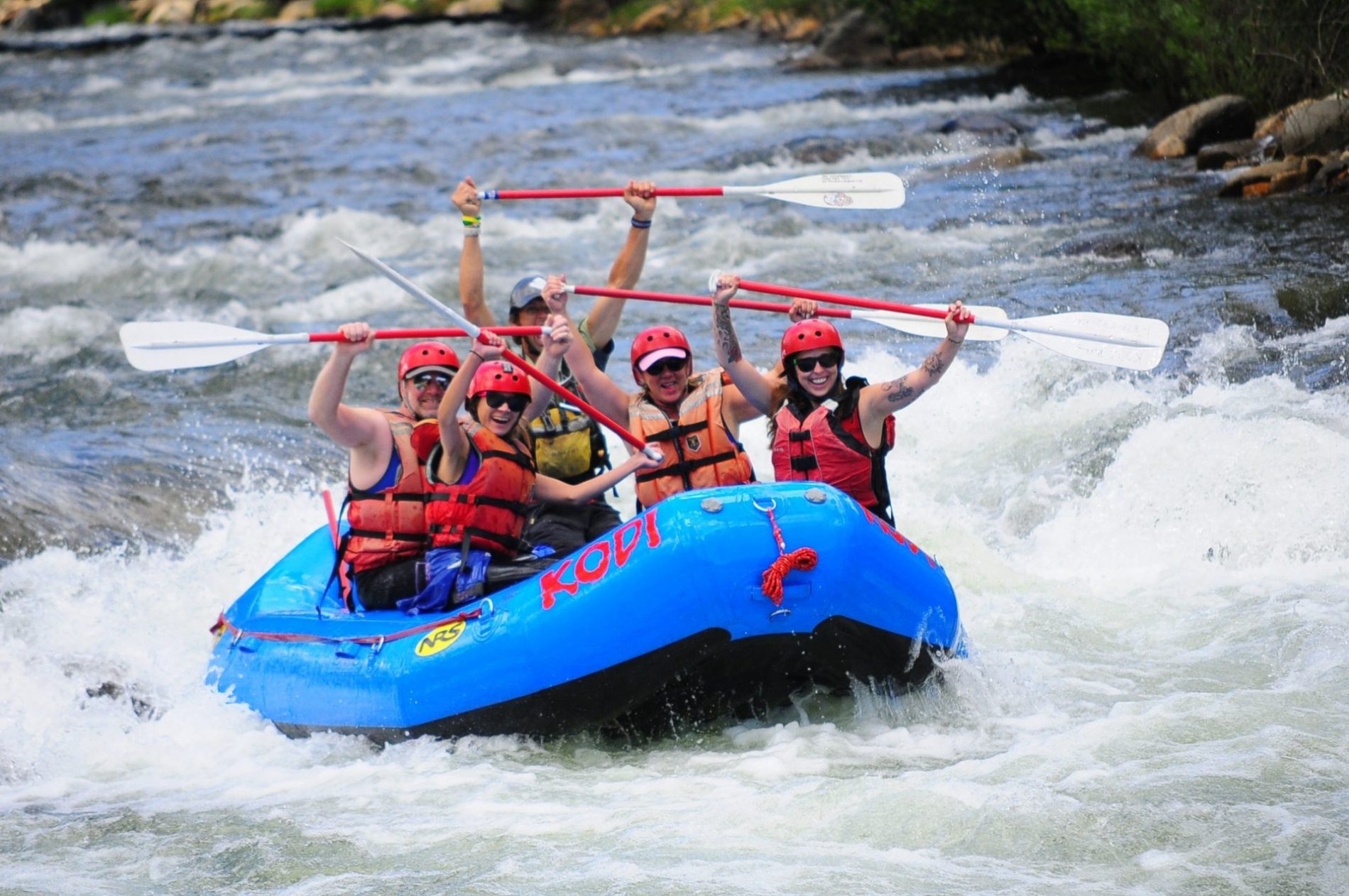
Fall Foliage and Floating: Why September Is One of Colorado’s Most Scenic Rafting Months
September can be one of Colorado’s most scenic times to raft, as summer crowds begin to thin and mountain landscapes transition toward fall. Depending on the river and current conditions, late-season rafting can offer a different experience from the higher flows of spring and early summer, with changing aspens, cooler air, and more time to appreciate the scenery around the river.
For families, first-time rafters, photographers, and travelers planning a fall getaway, September can provide an opportunity to experience Colorado's rivers from a different perspective.
Why September Changes the Rafting Experience
Colorado rafting is often associated with June and July, when snowmelt contributes to higher flows and bigger whitewater on many rivers. By September, conditions have typically shifted toward lower late-season flows, although the exact experience varies considerably by river, section, and year.
Some rapids may become less powerful as water levels drop, while exposed rocks and narrower channels can make certain sections more technical. September should not automatically be considered an easy rafting month. River difficulty depends on the specific stretch, water levels, weather, and current conditions.
What changes most is the overall character of the trip. Lower flows can provide opportunities to slow down between rapids and take in canyon walls, mountain slopes, and river corridors as the landscape begins its seasonal transition.
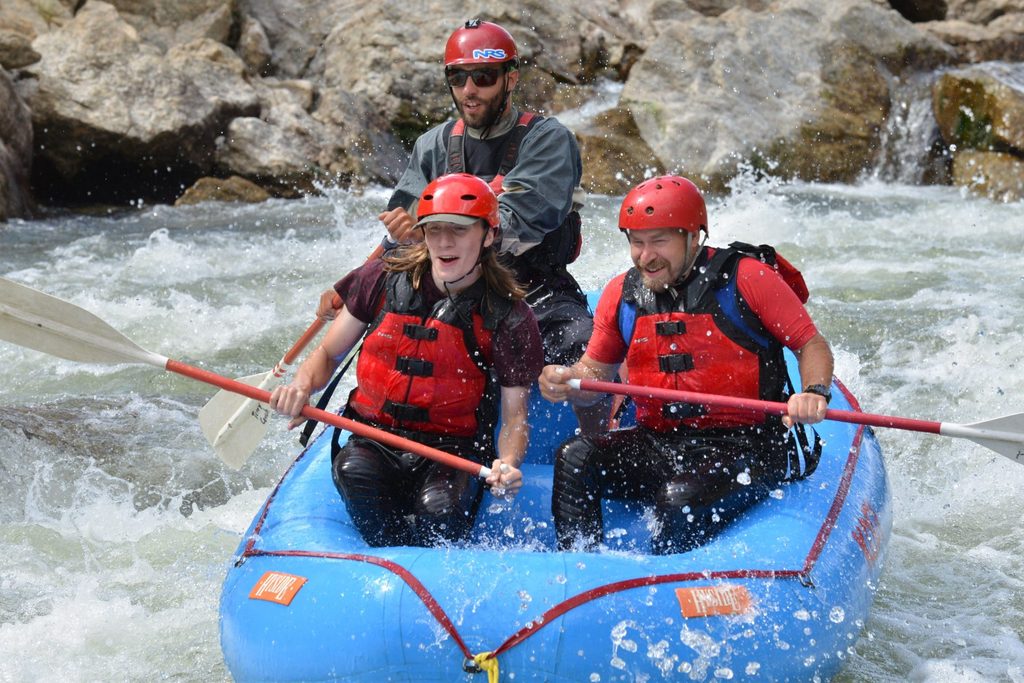
What Does Fall Foliage Look Like From the River?
Seeing Colorado's fall color from the water offers a perspective that a roadside pullout cannot quite reproduce. Instead of looking across a valley from a distance, you're moving through the landscape, with canyon walls, riverbanks, and mountain slopes rising around you.
September is an important month for fall color, but there is no single statewide peak date. Colorado's official tourism guidance explains that foliage timing varies by location and elevation, and the viewing window can be relatively fleeting.
Source: https://www.colorado.com/articles/where-and-when-see-fall-colors-colorado
An early-September trip and a late-September trip can therefore look noticeably different. Along river corridors and mountain valleys, patches of yellow and gold may appear while other slopes remain green. Exact timing varies by elevation, location, weather, and year, making flexibility useful for travelers hoping to see peak color.
For photographers and families, that changing landscape is part of the appeal.
Where Can You Combine Fall Color and a River Experience?
Colorado offers many ways to see changing leaves, from scenic drives and hikes to horseback rides and train trips. Rafting adds another perspective by placing travelers directly within the surrounding landscape.
The Arkansas River corridor around Buena Vista can offer early-September rafting opportunities, but its primary rafting season generally runs from mid-May through early September, typically around Memorial Day through Labor Day. Availability after that point is dependent on current conditions and the specific trip.
For a later-September river experience, the Upper Colorado River is a stronger example of a late-season option, particularly for travelers interested in a more relaxed float and scenic mountain surroundings. As with any late-season rafting trip, availability and conditions should be confirmed with the outfitter before planning.
Not every river or September date will look the same. Elevation, weather, river conditions, and location all influence both rafting availability and when the leaves change.
Is September Rafting Good for Families and First-Time Rafters?
It can be, depending on the specific river section and trip. Some late-season trips may offer a more relaxed experience than higher-flow rafting earlier in the summer, while cooler fall air and changing scenery create a different atmosphere from midsummer.
However, lower water does not mean every September trip is automatically suitable for every family or beginner. River difficulty varies by section, and children and first-time rafters can have different comfort levels around cold water, splashing, and rapids.
Select late-season trips can be appropriate for first-timers, depending on the river section and current conditions. The right trip depends on the group's age, experience, and desired level of adventure. Checking current conditions and trip requirements with the outfitter is especially important when planning a late-season rafting trip.
What Should You Pack for a September Raft Trip?
| Consideration | September reality |
| Air temperature | Comfortable afternoons, cooler mornings and evenings |
| Water temperature | Cooler than midsummer |
| Water levels | Generally lower than spring runoff |
| Crowds | Typically lighter than peak summer |
| Clothing | Layers and appropriate water gear |
| Best fit | Scenic floats and selected moderate-water trips |
Plan for temperature changes. Layers help at the put-in and after the trip, while water-specific gear improves comfort on the river. Sun protection remains important because Colorado's elevation can mean strong sun even when the air feels cool.
Gear requirements and included equipment vary by trip, so check the specific KODI trip details before heading out.
How to Plan a September Rafting Trip in Colorado
- Choose the experience first. Decide whether your priority is fall scenery, a family-friendly float, or more active whitewater.
- Check current conditions. September flows vary by river and by year, so the calendar alone does not tell the whole story.
- Watch foliage timing. Because color moves through Colorado at different elevations, flexibility can help if peak leaves are a major part of your trip.
- Prepare for changing temperatures. A warm afternoon does not necessarily mean a warm morning or warm water.
- Leave time for the destination. Add scenic drives, hiking, local food, or other outdoor activities to your fall weekend.
September vs. Peak Summer: What Actually Changes?
| Factor | June–July | September |
| River character | Higher flows on many snowmelt-driven stretches | Lower late-season flows on many stretches |
| Rapids | Can be bigger and more powerful during runoff | Often less forceful, though some sections can become more technical |
| Crowds | Peak summer demand | Typically quieter |
| Scenery | Lush summer landscape | Emerging fall color |
| Temperatures | Warmer overall | Warm afternoons, cooler mornings and evenings |
| Best fit | Bigger-water adventure | Scenic, relaxed experiences |
Neither is universally better. On many Colorado stretches, June and July suit travelers looking for stronger whitewater, while September can suit people who want to slow down and experience the fall landscape.
Conclusion
September rafting in Colorado is less about chasing the highest flows and more about experiencing the river in context: cooler air, quieter conditions, changing mountain color, and time to appreciate the landscape around you.
For families, photographers, first-time rafters, and travelers planning a fall Colorado getaway, a scenic float can be a memorable way to see the season from a different angle.
KODI Rafting has guided Colorado river trips since 1986, providing local experience for travelers choosing a late-season trip that fits their group and current river conditions.
Ready to plan a late-season rafting adventure? Check KODI Rafting's current trip availability and explore the Colorado rafting options that are still operating for your September travel dates.
Frequently Asked Questions
Is September too late to go rafting in Colorado?
Not necessarily, but rafting availability depends on the river and time of September. Some Colorado rafting seasons extend into September, while others, including the Arkansas River around Buena Vista, typically operate through early September, around Labor Day. Check the specific river, trip schedule, and current conditions before booking.
Will the water be too cold to raft in September?
Water temperatures are generally cooler than midsummer, so appropriate gear is important. KODI's included equipment and recommendations vary by trip. For example, Browns Canyon trips may include wetsuits, booties, and splash tops, while Upper Colorado trips have different gear guidance. Check the specific trip information when preparing for your outing.
Do I need whitewater rafting experience for a September trip?
Select late-season trips can be appropriate for first-timers, depending on the river section and current conditions. Trip difficulty varies, so beginners should review the specific trip description and discuss their experience level with KODI before booking.
When does aspen foliage peak in Colorado?
Exact timing varies by elevation, location, weather, and year. Higher elevations and northern areas can begin changing earlier, while other locations may reach peak color later. Because the viewing window can be fleeting, checking local foliage conditions closer to your travel dates can help when planning a fall trip.
Is September a good time to book because of fewer crowds?
September can offer lighter demand than the peak summer period, although availability varies by river and trip. For late-season travel, it is best to check KODI's current schedule rather than assume that every river or trip operates throughout September.


Best Backcountry ATV Trails in Colorado for Off-Road Adventures
The best backcountry ATV trails in Colorado include the Alpine Loop (San Juan Mountains, Class III–IV), Taylor Park (Gunnison National Forest, all skill levels), Grand Mesa (150+ miles of OHV trails), Rainbow Falls (family-friendly near Denver), and Engineer Pass (expert-level high alpine). The season typically runs from June through September, with trails opening after snowmelt clears the high passes.
Introduction
Colorado doesn't do anything small, not its mountains, not its views, and definitely not its off-road trail systems. With thousands of miles of designated OHV routes threading through national forests, alpine meadows, and historic mining country, the state is a genuine destination for backcountry riders from around the world.
Whether you are planning your first trail ride or looking to push your limits at 13,000 feet, Colorado delivers. Here's a trail-by-trail breakdown of where to go, what to expect, and everything you need before you hit the dirt.
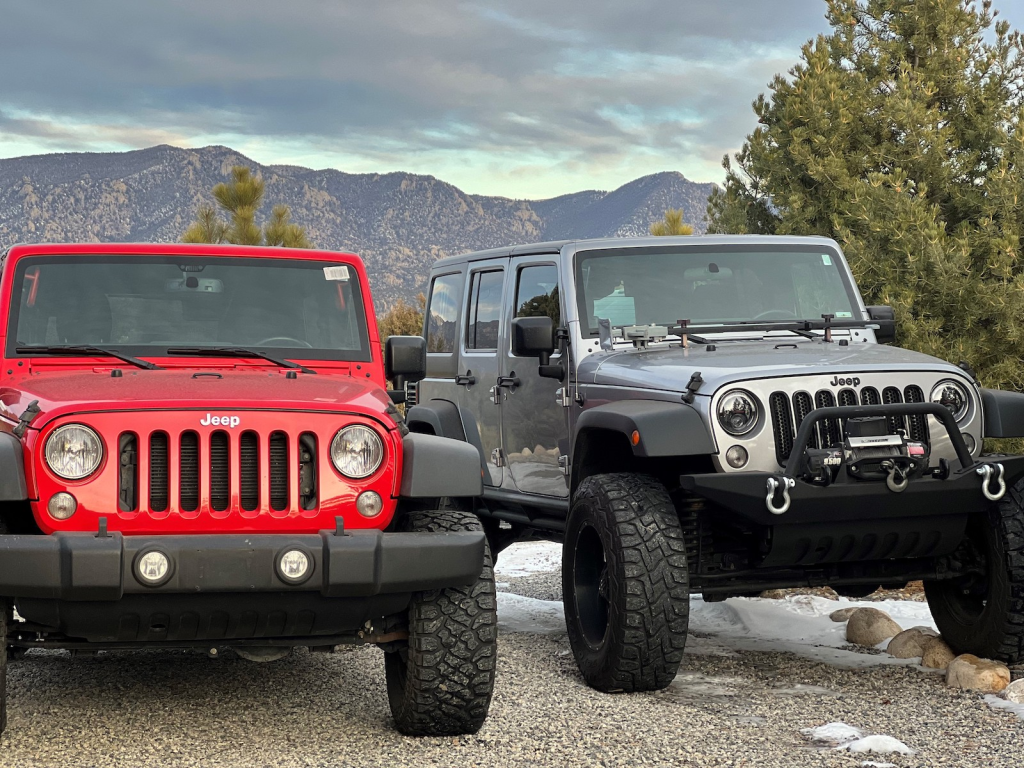
What Makes Colorado's Off-Road Trails Stand Out?
Most states have trails. Colorado has terrain. The combination of factors that makes it special:
- Elevation variety routes climb from forested foothills to exposed 13,000-foot alpine passes
- Mining history, hundreds of miles of trails follow old mining roads through ghost towns and historic ruins
- Scale Grand Mesa alone offers 150+ miles of OHV trails; the Alpine Loop system covers roughly 65 miles of designated motorised routes
- Accessibility rental outfitters, guided tours, and base towns like Silverton, Lake City, and Crested Butte are set up specifically for OHV visitors
One important note for 2026: Colorado requires an OHV permit for any licensed or plated vehicle used recreationally on the state's 80+ Full-Size Trails. Out-of-state vehicles with home-state OHV permits are not exempt; you'll need a Colorado-specific permit regardless of where you're registered. It's easy to get through Colorado Parks and Wildlife online.
The Best Backcountry ATV Trails in Colorado
1. Alpine Loop San Juan Mountains (Most Iconic)
Location: Silverton / Lake City / Ouray
Difficulty: Moderate to Challenging (Class III–IV)
Season: June 1 – September 30
Best For: Experienced riders, history lovers, full-day adventures
The Alpine Loop is the crown jewel of Colorado off-road riding. Roughly 65 miles of designated motorised trail wind through the heart of the San Juan Mountains, connecting Silverton, Lake City, and the ghost town of Animas Forks via Cinnamon Pass and Engineer Pass.
What makes it special isn't just the trail, it's the context. You're riding through decades of Colorado mining history, past ruins, alpine lakes, and wildflower meadows at elevations that regularly top 12,000 feet.
Practical notes:
- Silverton is the more OHV-friendly base town with fuel, food, and supplies without crossing Hwy 550
- A valid driver's license is required for all OHV operators on the Alpine Loop
- Weather changes fast at elevation, always bring layers and check conditions before departing
- The 2026 highway program runs from June 1 to September 30, allowing OHVs on designated sections of Hwy 149
2. Taylor Park Gunnison National Forest (Best for All Skill Levels)
Location: Near Almont, Gunnison County
Difficulty: Easy to Moderate
Season: Summer through early October
Best For: Families, beginners, and riders wanting variety
Taylor Park sits in the Gunnison National Forest and offers one of the most diverse trail networks in the state. Wide-open loops surround the Taylor Park Reservoir, with options for casual scenic rides and more technical backcountry exploration.
What competitors rarely mention: Taylor Park is ideal for mixed-group riding. The trail variety means beginners and experienced riders can head out together, and each find something that suits their level. The reservoir setting adds a camping and fishing dimension that turns a trail day into a full weekend.
3. Grand Mesa Grand Junction Area (Most Miles)
Location: Near Grand Junction, Western Colorado
Difficulty: Easy to Moderate
Season: Late spring through fall
Best For: Riders wanting distance and scenery
Grand Mesa is the largest flat-top mountain in the world, and it's threaded with over 150 miles of ATV-accessible trails through aspen groves, mountain lakes, and wildflower meadows. Based out of Grand Junction, which sits within 1.6 million acres of public land, this is a hub for off-road riding in western Colorado.
Local outfitter Adrenaline Driven Adventures offers guided tours and rentals directly in Grand Junction, making it accessible even for riders without their own equipment. Riders can spend entire weekends exploring interconnected trails that pass alpine lakes, aspen groves, and high-country overlooks. During fall, the changing aspens make Grand Mesa one of Colorado's most scenic riding destinations.
4. Rainbow Falls Front Range (Best for Day Trips from Denver)
Location: Near Woodland Park, El Paso County
Difficulty: Easy to Moderate
Season: Spring through fall
Best For: Families, first-timers, Denver day-trippers
Rainbow Falls delivers shaded forested trails, granite rock sections, and the kind of scenery that makes a half-day feel worth the drive. It's one of the most accessible trail systems on the Front Range, close enough to Denver for a day trip, but varied enough to keep experienced riders engaged.
The waterfall sections are genuinely scenic, not just a marketing name.
5. Engineer Pass — San Juan Mountains (Most Extreme)
Location: Ouray / Lake City area
Difficulty: Challenging to Expert (Class IV–V)
Season: July–September (snow-dependent)
Best For: Expert riders, adrenaline seekers
Engineer Pass crests at over 13,000 feet and connects to the broader Alpine Loop system. The views from the summit are extraordinary, but so is the exposure. Rocky ledges, steep shelf roads, and unpredictable high-alpine weather make this a trail for experienced riders who know their equipment and their limits.
Connect from here to iconic routes like Cinnamon Pass, California Pass, and Picayne Gulch for a full multi-day backcountry experience.
Trail Comparison at a Glance
| Trail | Difficulty | Best For | Season Window | Base Town |
| Alpine Loop | Moderate–Challenging | Experienced riders | June–Sept 30 | Silverton / Lake City |
| Taylor Park | Easy–Moderate | All skill levels, families | Summer–Oct | Almont / Gunnison |
| Grand Mesa | Easy–Moderate | Distance riders | Late spring–fall | Grand Junction |
| Rainbow Falls | Easy–Moderate | Families, day trips | Spring–fall | Woodland Park |
| Engineer Pass | Challenging–Expert | Expert riders | July–Sept | Ouray / Lake City |
What You Need to Know Before You Ride in Colorado
OHV Permit: Required on all 80+ Full-Size Trails in Colorado for any licensed vehicle used recreationally. Out-of-state registrations don't count; purchase a Colorado OHV permit through Colorado Parks and Wildlife before you go.
Trail opening times: High-elevation trails like Engineer Pass and parts of the Alpine Loop don't open until July, when snowmelt clears the passes. Always check current conditions with the local Ranger District or BLM Field Office.
Width restrictions: Many trails in the San Juan National Forest are open only to ATVs and UTVs 50 inches wide or less. Wider side-by-sides may not have full access. Verify your vehicle's specs against trail requirements before booking.
Speed and road laws: OHV operation on Colorado state and county roads is prohibited (with limited exceptions). Follow posted speed limits and all local county OHV regulations.
Conclusion
Colorado's backcountry trail network is one of the best in North America, full stop. From the history-soaked San Juan Mountains to the vast open riding at Grand Mesa, there's a trail for every experience level and every style of adventure.
Plan your season right (June through September for most high trails), get your OHV permit sorted before you arrive, and choose a base town that fits your itinerary. The landscape will take care of the rest.
Frequently Asked Questions
Q: Do I need a special permit to ride ATV trails in Colorado?
Yes. Colorado requires an OHV permit for any licensed or plated vehicle used recreationally on the state's 80+ designated Full-Size Trails. Out-of-state OHV permits are not recognised; purchase a Colorado-specific permit through Colorado Parks and Wildlife. The permit must be renewed annually by March 31.
Q: When do Colorado's backcountry ATV trails open?
Most Front Range and lower-elevation trails open in late spring (April–May). High-alpine trails like Engineer Pass and the Alpine Loop typically open in late June or July, depending on snowmelt. Always check with the local Ranger District before heading out — conditions vary year to year.
Q: Can I ride my ATV on Colorado highways?
Generally, no. OHV operation on Colorado state and county roads is prohibited, with limited exceptions in specific towns and designated highway corridors (like the Alpine Loop highway program in Lake City, which runs June 1–September 30). Know your route before you ride.
Q: What's the best ATV trail in Colorado for beginners?
Taylor Park in the Gunnison National Forest and Rainbow Falls near Woodland Park are both well-suited for beginners. Wide, well-marked trails with manageable terrain make them accessible for new riders while still offering genuine backcountry scenery.
Q: Can I rent an ATV or UTV in Colorado without bringing my own?
Yes. Rental outfitters operate near most major trail hubs — including Grand Junction (Adrenaline Driven Adventures), Lake City (Creede Adventure Rentals), and the Denver/Front Range area. Guided tours are also available if you prefer local expertise on the trail.
Q: What should I pack for a backcountry ATV ride in Colorado?
Essentials include: a Colorado OHV permit, a valid driver's license, layered clothing (weather changes fast at altitude), water and snacks, a trail map or GPS device, a basic tool kit and tow strap, and a charged phone. Let someone know your route and expected return time.
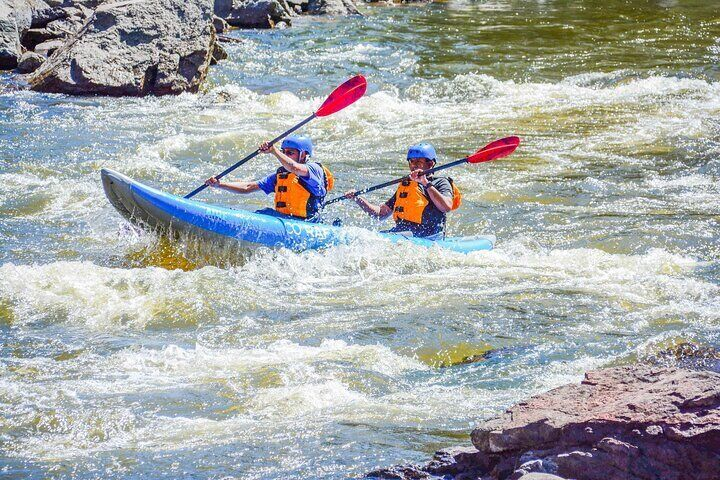
Which Colorado Rivers Are Running Best Right Now? Unstoppable Colorado Summer Adventures
Direct Answer: The Colorado rivers running best right now in summer 2026 are the Arkansas River (stable flows via reservoir releases through August), the Colorado River near Glenwood Springs (most consistent and family-friendly all season), and Clear Creek near Idaho Springs (fast and technical, best through June). Despite a historically low snowpack, a full Colorado rafting season is underway, with options for every skill level and age group.
Introduction
There's no better way to experience a Colorado summer than from the middle of a river. Whether you want a mellow float with the kids or a heart-pounding run through canyon rapids, Colorado's rivers deliver if you know which ones to target.
But 2026 isn't a typical season. Snowpack hit record lows this winter, and that's reshaping which rivers are worth your time and when. The right information right now can make or break your summer adventure. Here's what's actually running, what conditions look like, and how to plan a trip that delivers.
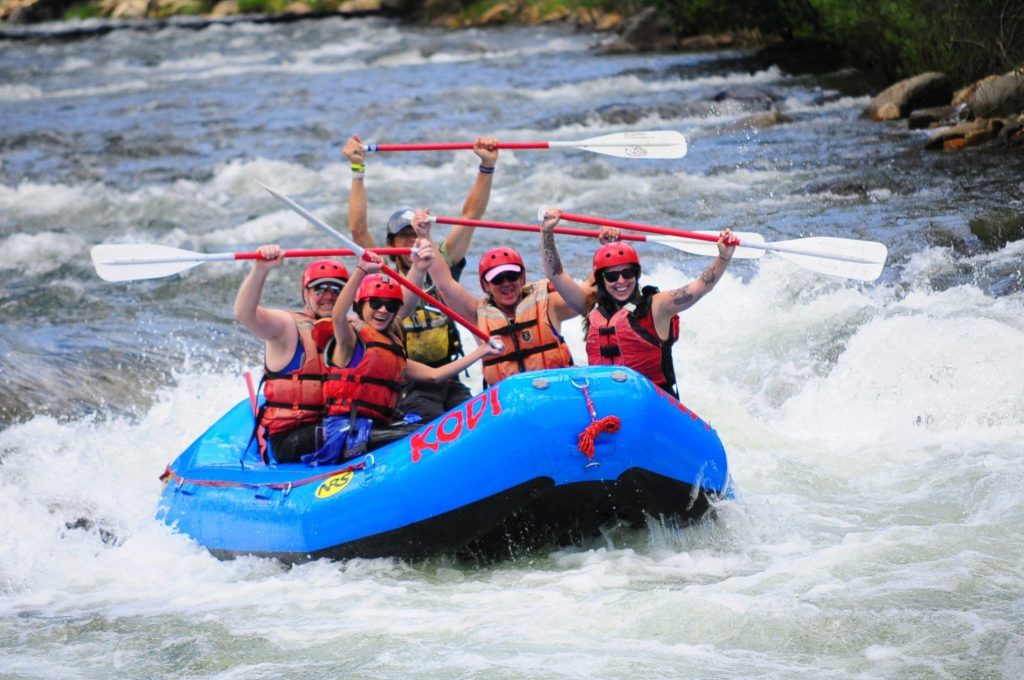
What's Happening With Colorado Rivers in Summer 2026?
This season, outfitters across the state are calling 2026 "unprecedented." Streamflows are projected at less than half of normal for most rivers, with some smaller drainages running below a quarter of their typical volumes.
That sounds alarming, but Colorado's river system is more resilient than headlines suggest. The state has a diverse network of dams and reservoir systems that allow water to be released strategically, keeping commercial rafting viable even in dry years. Outfitters are adapting daily, shifting operations to wherever the water is best.
The bottom line: Rivers backed by reservoir management are running well. Free-flowing, snowmelt-only rivers have compressed windows. Know the difference before you book.
Which Colorado Rivers Are Running Best Right Now?
1. Arkansas River: The Most Reliable River of 2026
The Arkansas is Colorado's most popular whitewater destination, and this summer, it's also the most protected from low-snowpack conditions. Upstream reservoir systems are maintaining reliable flows through key sections, making it the go-to choice for anyone planning a summer trip.
- Best for: Beginners, intermediate paddlers, families, first-timers
- Top runs: Browns Canyon National Monument (Class III), Bighorn Sheep Canyon (Class II–III), Royal Gorge (Class IV–V for advanced paddlers)
- 2026 season: Peak conditions in June, with boatable flows expected through July and into August
- Low water bonus: Clearer water, more technical rapids, better teamwork required — many paddlers actually prefer it
Browns Canyon is consistently the #1 intermediate rafting choice in Colorado 10 miles through a stunning national monument with rapids that challenge without overwhelming.
2. Colorado River (Glenwood Springs) Best for Families All Summer
The Colorado River through Glenwood Canyon is the state's most consistent summer rafting destination. It draws from a large watershed fed by tributary creeks and upstream water management, which keeps it flowing when smaller rivers have already dropped out.
- Best for: Families, young children (ages 3+), first-time rafters, nature lovers
- Class level: II–III with dramatic canyon scenery
- Season: Consistently raftable through peak summer and into early fall
- Sweet spot: 600–1,000 CFS delivers ideal family-friendly conditions with great swimming opportunities
This is the river where Colorado rafting memories get made for generations of families. Calm enough for kids, scenic enough for everyone.
3. Clear Creek (Idaho Springs) Best for Denver Day-Trippers
Only 35–45 minutes from Denver, Clear Creek delivers more rapids per mile than almost any other commercial river in Colorado. It's fast, technical, and ideal for anyone who wants big whitewater without a long drive.
- Best for: Thrill-seekers, intermediate to advanced paddlers, Denver visitors
- Class level: II–III (Middle Clear Creek, ages 6+) up to IV–V (Lower Canyon, ages 16+)
- 2026 season: Active runoff through June; shorter window than typical — book early
- Pro tip: Outfitters report conditions are running well right now through June, so don't delay
4. Cache la Poudre: Northern Colorado's Hidden Gem
Colorado's only federally designated Wild and Scenic River runs through Poudre Canyon near Fort Collins. It's seeing earlier-than-usual peak flows in 2026, but upstream reservoir management is helping extend the season into summer.
- Best for: Nature enthusiasts, paddlers seeking fewer crowds
- Class level: II–IV depending on section
- Season: Quality runs are available through much of the summer
5. Animas River (Durango) Southwest Colorado's Crown Jewel
The Animas offers crystal-clear water, mountain backdrops, and a full range of difficulty — from scenic Lower Animas floats to demanding Class IV–V upper sections. June and July are the prime months here.
- Best for: All levels; Upper Animas is reserved for advanced and expert paddlers
- Class level: III–V depending on section
- Best months: June–July for peak flows and ideal conditions
River-by-River Comparison: Which Run Is Right for You?
| River | Difficulty | Best For | 2026 Season Window |
| Arkansas – Browns Canyon | Class III | Intermediates, families | June–August |
| Colorado – Glenwood Springs | Class II–III | Families, first-timers | June–September |
| Clear Creek – Idaho Springs | Class II–V | Thrill-seekers, day-trippers | May–June (compressed) |
| Cache la Poudre | Class II–IV | Nature lovers, fewer crowds | May–August |
| Animas River – Durango | Class III–V | All levels | June–July peak |
| Royal Gorge – Arkansas | Class IV–V | Advanced/expert | June–July |
Does Low Snowpack Actually Ruin the Experience?
Short answer: no. It changes it sometimes for the better.
Lower water levels bring:
- With clearer visibility, you can see every rock formation and river feature
- More technical rapids, steeper drops that demand active paddling and communication
- Warmer water temperatures are more comfortable for swimming and first-timers
- Thinner crowds and drier years tend to see fewer casual visitors
As experienced outfitters put it, this season: Lower water doesn't mean less adventure. It simply changes the character of the river. Many experienced paddlers enjoy the technical challenges and clearer water that lower-flow conditions can create.
Frequently Asked Questions
Q1: Which Colorado River is running best for families right now?
The Colorado River near Glenwood Springs is the top family pick in 2026. It maintains consistent flows throughout the summer and accepts young children starting at age 3. Browns Canyon on the Arkansas River is also excellent for families with older kids.
Q: Is Colorado rafting still happening with the 2026 drought?
Yes. Most commercial operations are running full schedules, especially on the Arkansas and Colorado rivers. Reservoir-backed rivers maintain raftable levels even in low-snowpack years. Always confirm current CFS levels with your outfitter.
Q: What is the minimum water level needed to raft in Colorado?
Most commercial sections require a minimum of around 250–300 CFS (cubic feet per second). Below that, trips may be cancelled or modified. CFS can change overnight with a good rainstorm, especially on free-flowing rivers like Clear Creek.
Q: When is the best time to go rafting in Colorado in 2026?
June is the prime window for higher water and bigger rapids. In 2026, runoff peaked earlier than usual, in late May rather than mid-June, so the high-water window has shifted. July and August offer warmer, calmer conditions perfect for families and beginners.
Q: How far in advance should I book a Colorado rafting trip this summer?
Book 2–4 weeks ahead for peak summer dates, especially on weekends and holidays. In 2026, with a compressed season on rivers like Clear Creek, popular time slots are filling faster than in typical years.
Q: What should I wear and bring for a rafting trip in Colorado?
Wear synthetic or wool layers (not cotton), secure water shoes, and sunscreen. Most outfitters provide wetsuits, helmets, splash jackets, and life jackets. Bring a dry bag for valuables, a water bottle, and a change of clothes for after.
Conclusion
The rivers are running. The adventures are real. 2026 may be an unusual season across Colorado, but unusual doesn't mean disappointing. The Arkansas, Colorado, Clear Creek, and Animas rivers are all delivering memorable experiences right now, each with a character shaped by this year's unique conditions.
Pick the right river for your group, check current flows before you go, and get on the water while the season is here. Colorado summers don't last forever, but the memories from a great day on the river absolutely do.
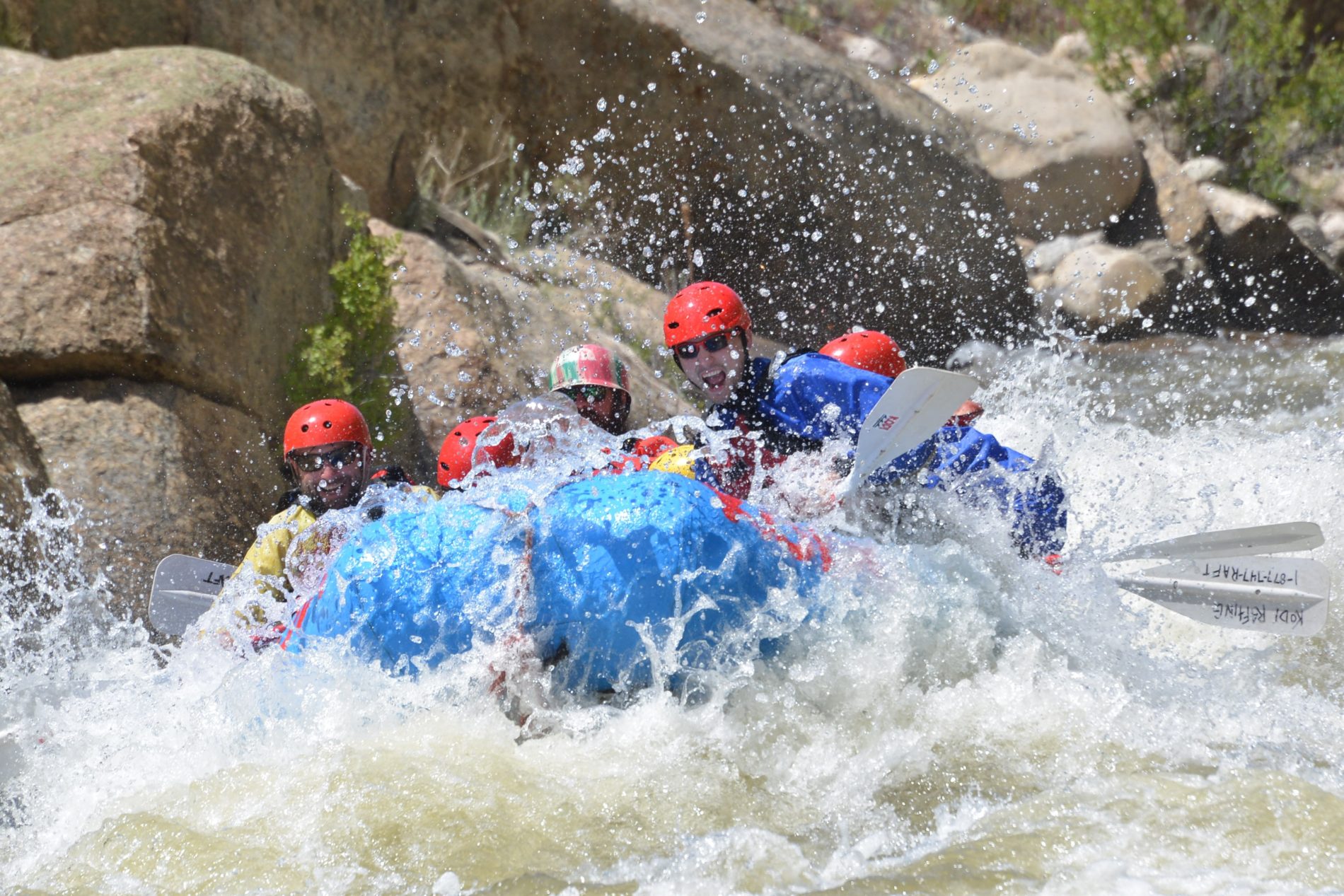
Whitewater Rafting in Colorado: Why It's the Best Group Adventure for Families & Teams
Planning a group adventure that works for everyone isn't easy. Families often have a mix of ages and experience levels. Corporate teams bring different comfort zones and personalities. Whitewater rafting succeeds where many group activities fall short because everyone shares the same experience while still finding a challenge level that fits.
KODI Rafting has been running hand-crafted river adventures in Colorado since 1986. With more than 30 trips on six rivers and outposts across the state, KODI Rafting has helped families, corporate teams, church groups, wedding parties, and reunions create memories that outlast any team dinner or theme park ticket.
Here's why Colorado's rivers are the right call and how to choose the trip that fits your crew.
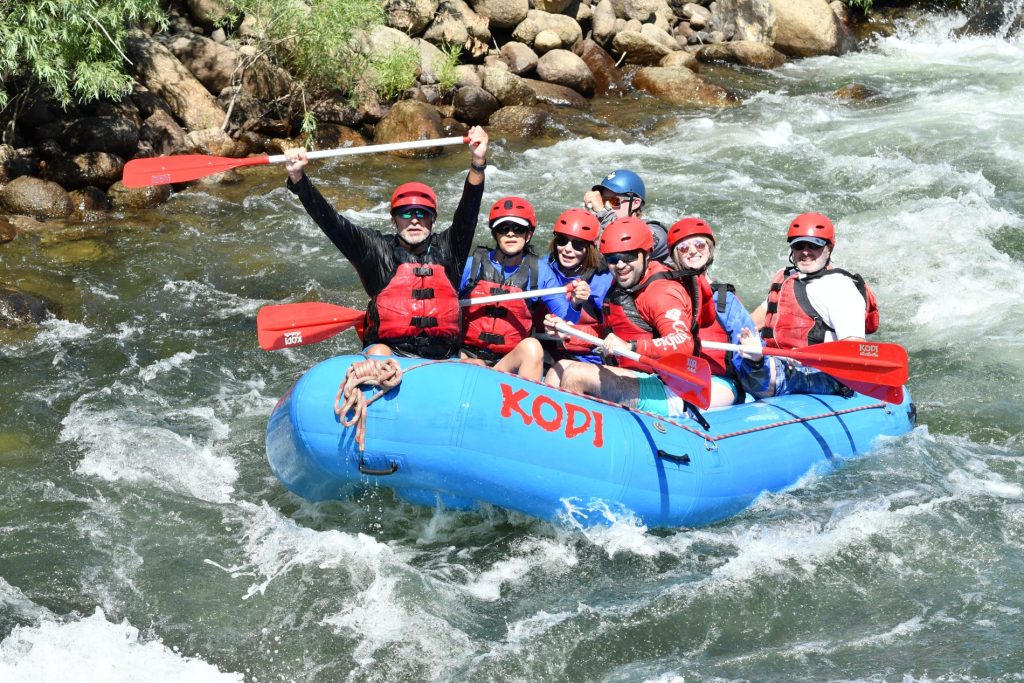
What Makes Colorado Ideal for Group Whitewater Rafting?
Colorado is home to some of the most diverse and accessible whitewater in the United States. The Arkansas River, the most commercially rafted river in the country, runs straight through the heart of the state, offering everything from peaceful family floats to adrenaline-pumping Class IV sections.
For groups, this diversity is the key advantage:
- Beginners and young children can be on the same river as experienced paddlers, just on different sections or trip types.
- Multiple departures daily mean you can slot around travel schedules.
- Locations near Buena Vista, Breckenridge, Frisco, Idaho Springs, and Kremmling make access easy from Denver and most Colorado vacation destinations.
- Six rivers, including Clear Creek, the Upper Colorado, the Blue River, and the Dolores, mean there's a right fit regardless of where your group is based.
Is Whitewater Rafting Safe for Families with Young Kids?
Yes, and this is one of the most common misconceptions people have. Not all whitewater is wild. Colorado's rivers include calm, scenic Class II stretches that are genuinely suitable for children as young as four years old.
How Difficulty Levels Work
The rapids classification system runs from Class I (flatwater) to Class VI (not commercially run). Here's what that means for your family or group:
| Class | Description | Best For |
| Class II | Gentle waves, easy navigation | Families with kids 4+ |
| Class III | Moderate rapids, some waves | Families, mixed groups |
| Class III-IV | Energetic rapids, technical moves | Ages 14+, confident swimmers |
| Class IV | Powerful rapids, precise paddling needed | Adults, experienced groups |
Our Big Bend Half Day trip accepts children as young as 4 (30 lbs. minimum) on Class II rapids gentle enough to feel safe, exciting enough to be memorable. The Browns Canyon Half-Day trip on the Arkansas River is one of the most popular family options, featuring Class III rapids and a minimum age of 6.
Safety is KODI Rafting's top priority. Guides are trained through Swiftwater Rescue certification, and the training staff brings more than 50 years of combined experience to the river.
Which Colorado River Rafting Trip Is Right for Your Group?
With over 30 trips available, the right choice depends on your group's age range, experience level, and how much time you have. Here's a breakdown of our most popular options for groups:
| Trip | River | Difficulty | Min. Age | Best For |
| Big Bend Half Day | Arkansas River | Beginner – Class II | 4+ / 30 lbs. | Young families |
| Brown's Canyon Half Day | Arkansas River | Moderate – Class III | 6+ / 50 lbs. | Families & groups |
| Brown's Canyon Full Day | Arkansas River | Moderate – Class III | 6+ / 50 lbs. | Corporate retreats |
| Clear Creek Beginner | Clear Creek | Beginner – Class II-III | 5+ / 50 lbs. | First-timers |
| Clear Creek Intermediate | Clear Creek | Moderate – Class III-IV | 14+ | Teen groups |
| Numbers Half Day | Arkansas River | Advanced – Class IV | 14+ | Thrill-seekers |
For groups with mixed experience levels, a common scenario for corporate retreats and family reunions, the Browns Canyon National Monument Full Day trip is the strongest all-around choice. It runs the full length of the monument on the Arkansas River, includes lunch, and works for ages 6 and up.
Why Group Rafting Works for Corporate Teams
Team-building activities are only effective when people are actually engaged. River rafting creates that engagement naturally.
On a raft, communication isn't optional; everyone paddles in sync, or no one moves efficiently. That dynamic builds the exact skills most corporate retreats are trying to develop: trust, communication, and shared decision-making under pressure.
What We Offer Corporate Groups
- Trips for groups of all sizes, including large groups of 200+
- Flexible scheduling with multiple daily departures
- Group discounts of 10% based on size and time of year
- Options to combine rafting with ziplines, horseback riding, or off-road adventures
- Dedicated support from a reservations team that handles the coordination logistics
Unlike a conference room workshop, a river trip gives teams something to talk about for years. The shared experience of navigating rapids together, working through the unexpected, is the kind of thing that actually changes how people relate to each other at work.
Beyond the Raft: Colorado Adventure Packages for Groups
One of the things that sets us apart from most outfitters is our ability to take guests beyond the river. For groups seeking a complete outdoor experience, our adventure packages combine multiple activities into one seamless trip.
Zip & Raft: Morning rafting on the Arkansas River followed by an afternoon zipline through alpine forest. Suitable for ages 6+ (60–260 lbs.).
Saddle Paddle: Horseback riding combined with river rafting for a true wilderness adventure.
Paddle & Dip: Rafting paired with a relaxing soak in natural hot springs pools.
Off-Road & Raft: Combine an off-road excursion with an Arkansas River rafting trip.
These packages are particularly well-suited for corporate retreats, bachelorette and bachelor parties, and wedding groups looking for a multi-experience adventure day.
What to Expect on a Group Rafting Trip
If you have never organized a group river trip before, here's how the process typically works with KODI Rafting:
Talk with the reservations team: Call (877) 747-7238 or submit a group inquiry online. The reservations team will help you identify the right trip based on your group's size, ages, and preferences.
Reserve your spot: Reservations can be held for 10 days, at which point a 50% deposit confirms the booking.
Pre-trip prep: Guides walk everyone through a safety briefing and paddling orientation before entering the water.
On the river: Professional guides lead each raft, handling navigation while coaching the group through paddling commands.
After the trip, you can order professional trip photos to commemorate the experience.
Final Thoughts
When a group of people, whether it's a family, a team, or a wedding party, shares something genuinely challenging and beautiful, it creates the kind of connection that no conference room or restaurant dinner can replicate. Whitewater rafting delivers that experience time and time again.
For more than 40 years, the team has been creating memorable adventures for groups of all sizes. With trips designed for every age and skill level, experienced guides, transparent pricing, and the ability to coordinate everything from small family outings to large corporate events, they're a trusted choice for group adventures in the Rockies.
Whether you are organizing a first family trip down the Arkansas River or coordinating a 100-person corporate retreat, planning your adventure starts with a single call: (877) 747-7238. Visit whitewatercolorado.com to explore available trips and locations.
Frequently Asked Questions
1. What is the minimum age for whitewater rafting in Colorado?
The minimum age varies by trip. The Big Bend Half Day trip accepts children as young as 4 years old (minimum 30 lbs.), while the Clear Creek Beginner Trip starts at age 5. Most family-friendly trips begin at age 6. Advanced trips on Class IV rapids require participants to be at least 14 years old.
2. How large a group can be accommodated?
Groups range from small family gatherings to 200+ person events. The team specializes in group logistics and can coordinate multiple rafts, staggered departure times, and combined activity packages to keep large groups organized.
3. Are group discounts available?
Yes. A 10% group discount is offered depending on group size and time of year. Contact the reservations team directly at (877) 747-7238 to discuss pricing for your specific group.
4. What should we wear and bring for a group rafting trip?
All essential safety gear, including life jackets and helmets, is provided. Guests should wear clothes they don’t mind getting wet, secure footwear (no flip-flops), and sunscreen. Avoid cotton whenever possible. Quick-drying synthetic layers work best on the river, and a wetsuit may be recommended in cooler water conditions.
5. When is the best time of year for whitewater rafting in Colorado?
The primary rafting season runs from late spring through early fall, with peak conditions typically from May through August when snowmelt keeps river levels optimal. Operations generally run from 7 AM to 7 PM, Monday through Sunday.
6. Can non-swimmers participate?
Yes. All participants wear personal flotation devices (PFDs) at all times. Guides are trained in swiftwater rescue, and beginner trips prioritize safety. Many beginner and family-friendly trips can accommodate non-swimmers, but participants should be comfortable in the water and follow the guide's instructions carefully.
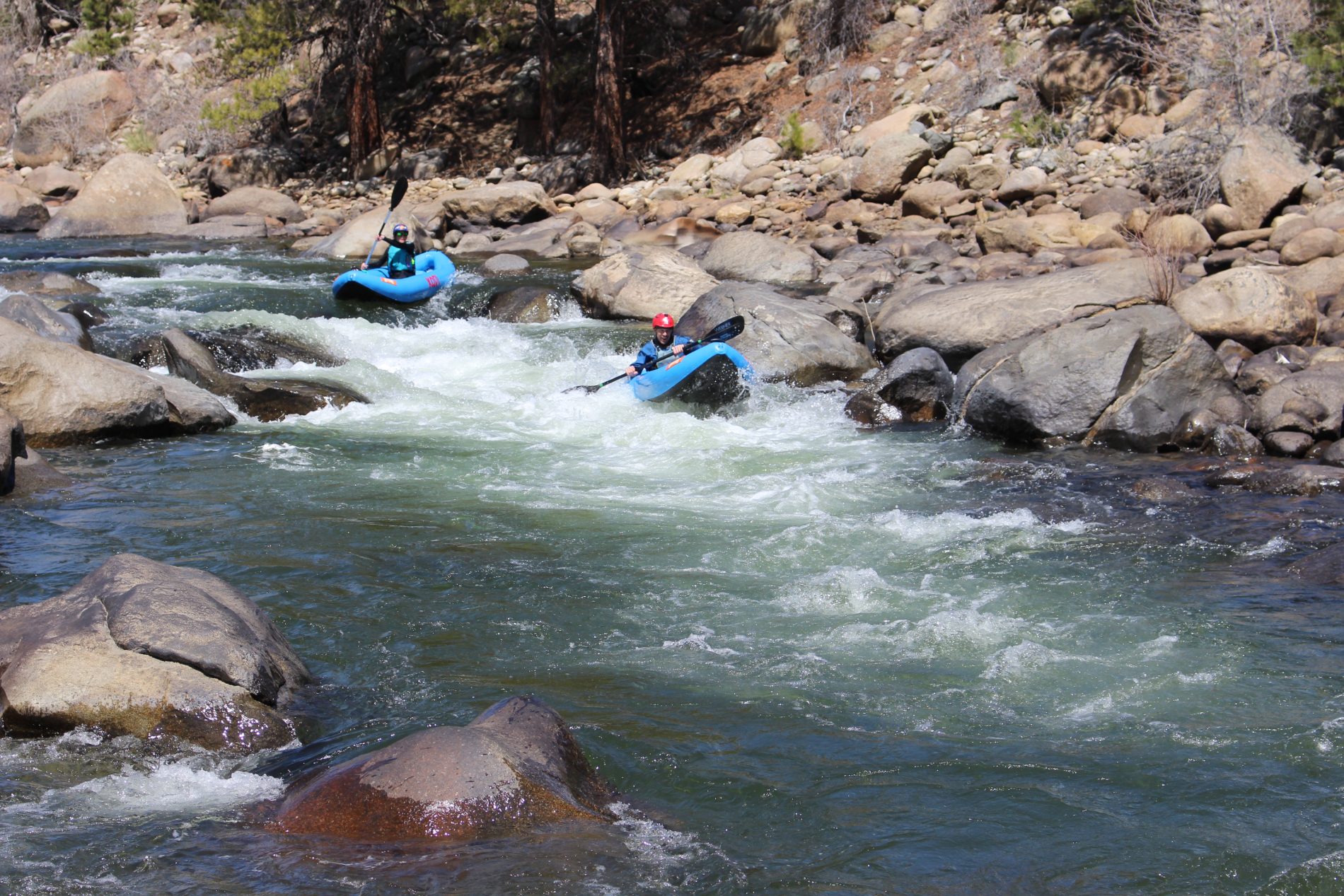
Upper Colorado River: A First-Timer’s Guide to Colorado’s Most Family-Friendly River
Direct Answer
The Upper Colorado River is widely known as one of Colorado's most approachable rafting destinations for beginners, families, and groups looking for a scenic river adventure. With gentle stretches of water, beautiful canyon views, and opportunities to spot local wildlife, it offers an enjoyable introduction to whitewater rafting without requiring previous experience.
Introduction
If you've never been rafting before, the Upper Colorado River is one of the best places in Colorado to start. With gentle Class I–II rapids, beautiful canyon scenery, opportunities to spot wildlife, and a relaxed pace on the water, it offers an ideal introduction to river adventures. Whether you're planning a family vacation, group outing, or your very first rafting trip, the Upper Colorado provides a memorable way to experience Colorado's outdoors.
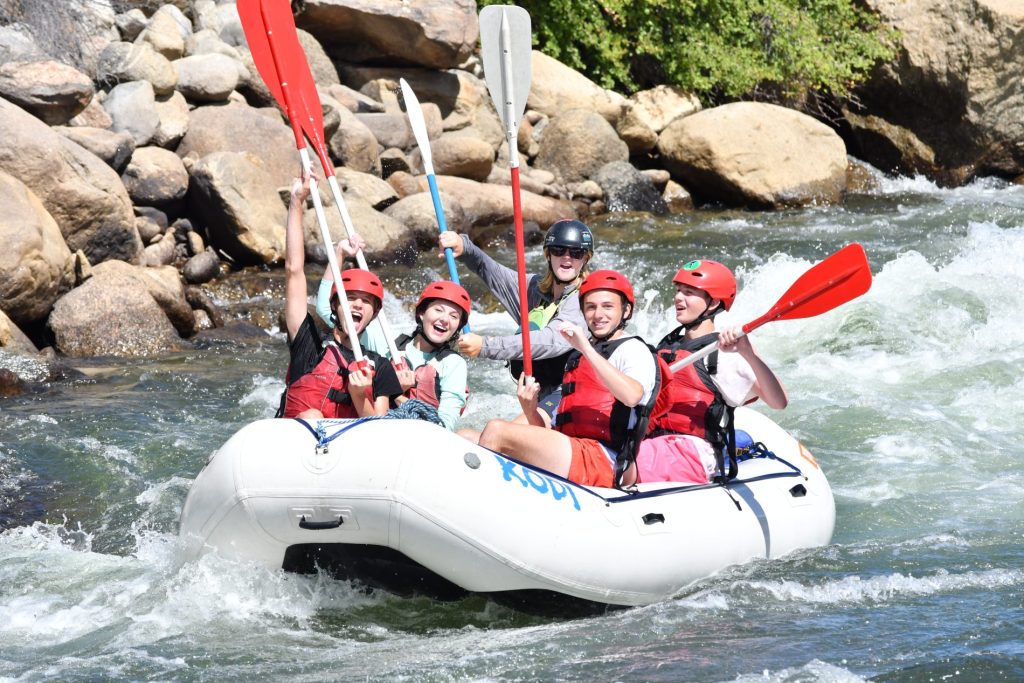
Why is the Upper Colorado River Popular with First-Time Rafters?
One of the biggest reasons beginners are drawn to this river is its approachable nature.
Unlike more challenging whitewater destinations, the Upper Colorado offers stretches of calm water combined with mild rapids that allow newcomers to enjoy rafting without feeling overwhelmed.
Visitors often appreciate:
- Scenic canyon landscapes
- Family-friendly rafting opportunities
- Opportunities to view wildlife
- Relaxed river sections
- Suitable experiences for many age groups
Many guests who raft with KODI Rafting choose this river specifically because it provides a comfortable introduction to river adventures.
What Can You Expect During a Rafting Trip?
Scenic Floating and Mild Whitewater
A typical trip includes a combination of floating sections and gentle rapids. This balance allows participants to enjoy the surrounding scenery while still experiencing the excitement that makes rafting memorable.
Along the route, visitors may see:
- paddling through mild rapids
- floating through canyon scenery
- stopping to enjoy the views
- Learning about the area's history, geology, and ecology from guides
The experience focuses as much on the natural environment as it does on the river itself.
Guided Outdoor Adventure
Professional guides help navigate the river while providing instructions, safety information, and insights about the local area.
For first-time visitors, guided rafting removes much of the uncertainty and helps create a more enjoyable experience.
Who is This River Best For?
Families
Many families choose this destination because it offers an outdoor activity that multiple generations can enjoy together.
First-Time Rafters
People with little or no rafting experience often find this river to be a comfortable starting point.
Groups and Vacationers
Friends, corporate groups, and travelers looking for a shared outdoor experience frequently include rafting as part of their Colorado itinerary.
Guests booking trips through KODI Rafting often select this river because it combines adventure with accessibility.
How to Prepare for Your First Rafting Trip
Being prepared can help you enjoy your day on the river even more.
What to Wear
Choose clothing appropriate for outdoor activities and changing weather conditions.
Recommended items include:
- Quick-drying clothing
- Secure footwear
- Sunglasses with retention straps
- Sunscreen
- A reusable water bottle
What to Bring
Keep personal items simple and focus on essentials.
A few useful items include:
- Sun protection
- Extra clothing for after the trip
- A towel
- Water and snacks for before or after your adventure
Most guests should expect to get wet, even on calmer sections of the river.
Listen to Your Guide
Before entering the water, guides provide important instructions regarding paddling, safety, and river procedures.
Paying attention during the safety briefing helps ensure a smoother experience for everyone.
Upper Colorado River vs. More Challenging Colorado Rivers
| Feature | Upper Colorado River | Higher-Intensity Whitewater Rivers |
| Difficulty Level | Beginner-Friendly | Advanced |
| Family Suitability | High | Varies |
| Scenic Floating | Extensive | Limited |
| First-Time Rafter Comfort | Excellent | Moderate to Low |
| Relaxed Experience | Yes | Less Common |
| Typical Rapids | Class I–III | Class III–V |
| Adrenaline Level | Moderate | High |
| Kid-Friendly | Yes | Depends on River & Water Levels |
| Swimming Opportunities | More Common | Less Common |
| Wildlife Viewing | Frequent | Occasional |
For travelers looking for a less intimidating introduction to rafting, the Upper Colorado is often a preferred choice.
Benefits of Choosing a Family-Friendly River
Many rafting articles focus only on rapids and excitement. However, first-time visitors often want more than adrenaline.
Benefits include:
- Lower stress for beginners
- Comfortable introduction to rafting
- Opportunities for family bonding
- Scenic sightseeing
- Enjoyment for various age groups
This combination of adventure and accessibility is what makes the river appealing to a broad range of visitors.
Ready to Experience the Upper Colorado?
Whether you're planning your first rafting trip, a family vacation, or a relaxing day on the river, the Upper Colorado River offers one of Colorado's most scenic and beginner-friendly rafting experiences.
Call KODI Rafting at (877) 747-7238 or visit whitewatercolorado.com to explore available trips and reserve your adventure.
Conclusion
For anyone considering their first rafting adventure, the Upper Colorado River offers an excellent combination of scenery, accessibility, and outdoor fun. With gentle whitewater, beautiful canyon landscapes, and family-friendly experiences, it's easy to see why so many visitors choose this river as their introduction to rafting. Whether you're traveling with family, friends, or a group, a guided trip with KODI Rafting can be a memorable way to experience one of Colorado's most welcoming river destinations.
Frequently Asked Questions
1. Is the Upper Colorado River good for beginners?
Yes. It is commonly considered one of Colorado's most beginner-friendly rafting destinations due to its balance of calm water and mild rapids.
2. Can families participate in rafting trips?
Many families choose this river because it provides an outdoor adventure suitable for a wide range of ages and experience levels.
3. Do I need previous rafting experience?
No. Many guests are first-time rafters and receive guidance before and during their trip.
4. What should I wear for a rafting trip?
Quick-drying clothing, secure footwear, sunscreen, and weather-appropriate layers are generally recommended.
5. Will there be opportunities to see wildlife?
Depending on conditions and the season, visitors may spot various birds and other wildlife along the river corridor.
6. Why do visitors choose KODI Rafting for Colorado River adventures?
KODI Rafting has guided guests on Colorado rivers since 1986 and offers professionally guided trips designed for families, first-time rafters, and experienced adventurers alike.
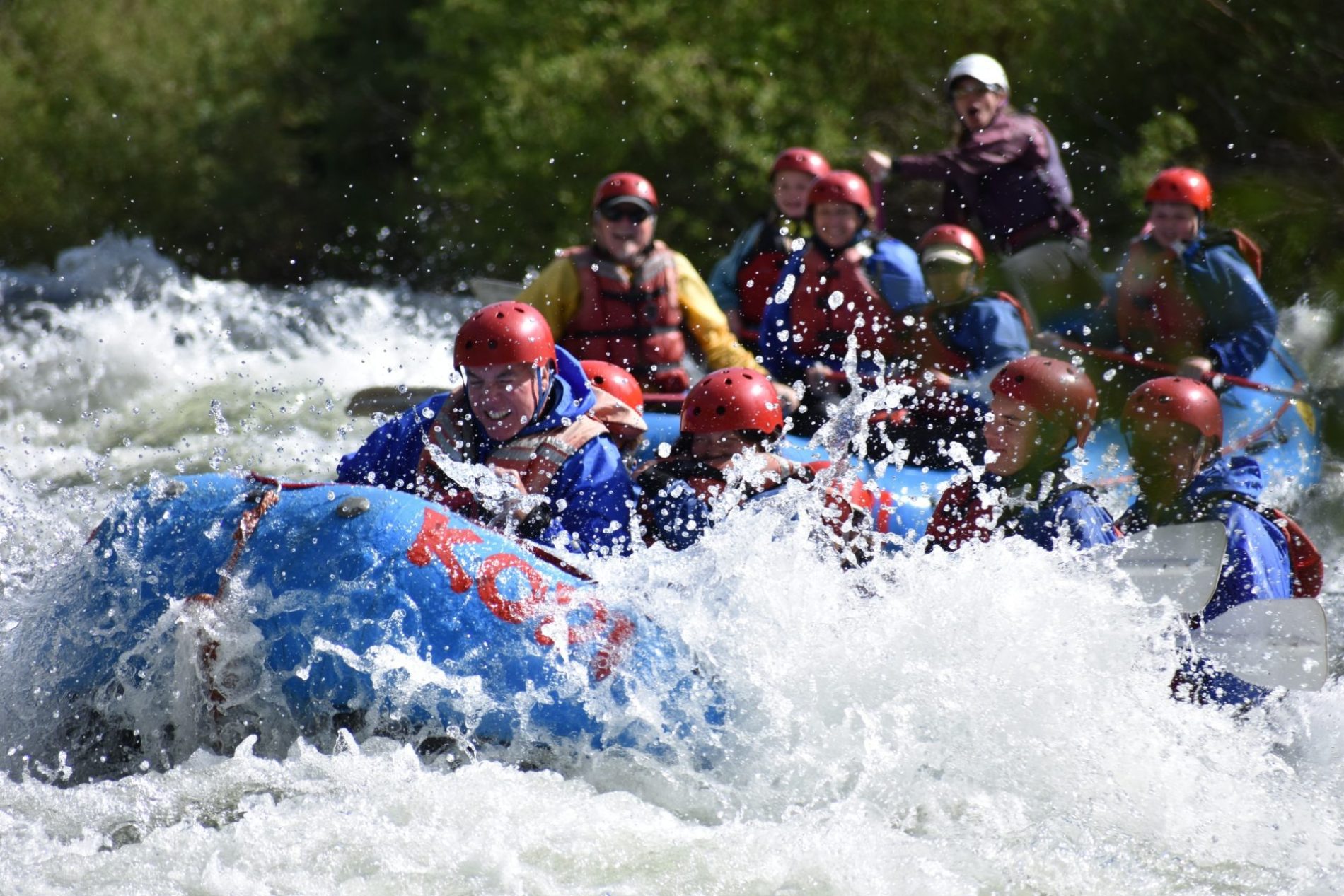
Class III Rapids Explained: Safety, Age Requirements & What to Expect
| Quick AnswerClass III rapids are moderate to moderately difficult whitewater sections featuring irregular waves, strong currents, and narrow passages that require maneuvering. They are suitable for beginners with guidance and intermediates paddling independently. Most outfitters recommend a minimum age of 7–12, depending on the specific run and river conditions. |
Introduction
If you're researching a Colorado rafting trip, chances are you've come across the term "Class III rapids." It's one of the most common whitewater ratings you'll see, and for many paddlers, it's where rafting gets really fun.
In Colorado, some of the most popular Class III rafting sections include Browns Canyon on the Arkansas River and parts of the Blue River near Breckenridge. These runs are known for delivering exciting whitewater without the intensity of more advanced Class IV and V sections.
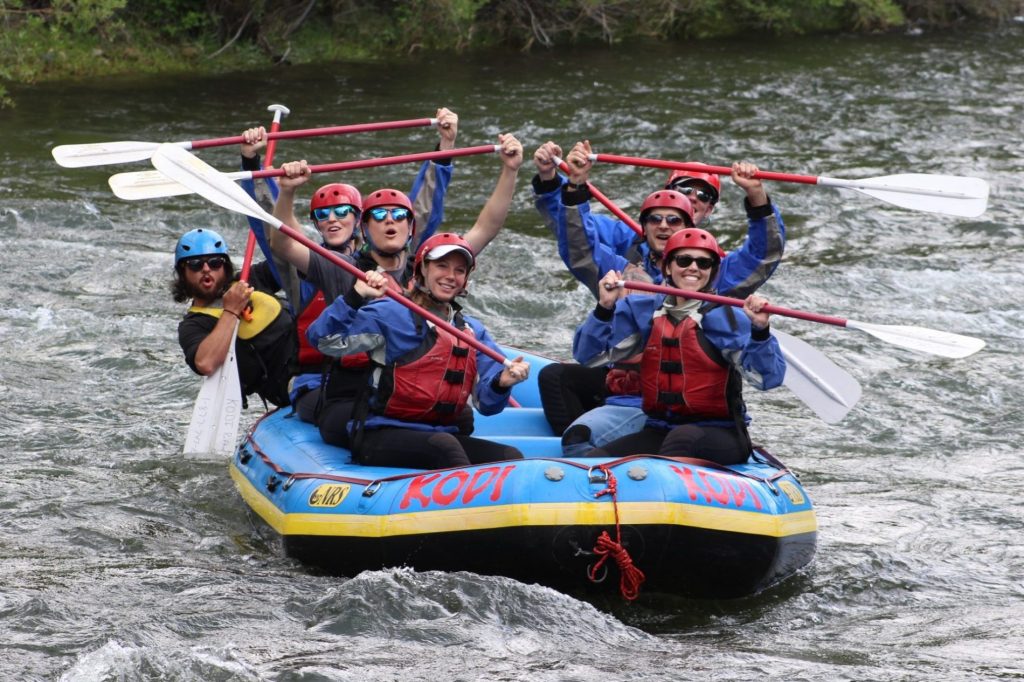
What Are Class III Rapids? (The International Scale Explained)
The International Scale of River Difficulty, also known as the Whitewater Classification Scale, rates rivers from Class I (flatwater) to Class VI (essentially unrunnable and life-threatening). Class III sits in the middle of this scale and is described as:
- Whitewater with moderate, irregular waves that may be difficult to avoid."
- Strong currents and possible narrow passages requiring maneuvering.
- Complex moves are required, but routes are generally clear to experienced paddlers.
- Self-rescue is usually possible if a swimmer ends up in the water.
In practical terms, this means you'll feel real current, you may get wet from splashing waves, and your guide or paddling group will need to make intentional moves. It's not a leisurely float, but it's also far from life-threatening for a prepared group.
Class III vs. Class II and Class IV: How Do They Compare?
Understanding where Class III falls within the broader scale helps set the right expectations. Here's a comparison:
| Feature | Class II | Class III | Class IV |
| Wave Size | Small, regular | Moderate, irregular | Large, powerful |
| Current Strength | Easy current | Strong current | Turbulent, powerful |
| Swimmer Risk | Easy self-rescue | Self-rescue possible | Difficult self-rescue |
| Experience Needed | Beginner | Intermediate | Advanced |
| Guide Required? | Optional | Recommended | Highly recommended |
| Min. Suggested Age | 6+ | 7–10+ (varies) | 14+ typically |
Class III is widely considered the sweet spot for recreational rafting, exciting enough to be memorable, manageable enough that first-timers with a guide can participate safely.
Is Class III Safe? Key Safety Considerations
The good news? Class III rafting has introduced thousands of first-time paddlers to whitewater. With proper equipment, experienced guides, and the right river conditions, it offers a strong balance of adventure and safety.
Essential Safety Gear
• Personal Flotation Device (PFD) is always worn and properly fitted
• Certified whitewater helmet, especially in rocky stretches
• Wetsuit or drysuit in cold water environments
• Paddle with proper grip technique
• Safety throw rope carried by guides on commercial trips
Swimming Risk
Most Class III swims are manageable. The standard rule is to float on your back, feet downstream, toes up, and wait for assistance from your guide or safety kayaker. Self-rescue is generally possible in Class III, one of the defining factors that separates it from Class IV.
When Class III Gets Riskier
- High water levels after rain can temporarily push Class III rivers into Class IV+ territory.
- Cold water increases hypothermia risk significantly.
- Remote gorges reduce access for rescue if something goes wrong.
- Non-guided trips without proper skills amplify risk considerably.
Always check current river flow levels (measured in CFS, cubic feet per second) before your trip. Outfitters monitor these daily and may adjust trip difficulty ratings accordingly.
Age Requirements for Class III Rafting
There is no universal legal minimum age; Class III rafting requirements vary by outfitter, specific river, and water conditions. However, here are the general guidelines commonly used by commercial outfitters:
| Scenario | Typical Min. Age | Notes |
| Mellow Class III (lower flows) | 7–8 years | With the parent/guardian in raft |
| Standard Class III commercial trip | 10–12 years | Varies by outfitter policy |
| Higher-flow or technical Class III | 13–16 years | Physical strength matters |
| Private/non-guided trip | Adult supervision required | Strong swim skills needed |
Weight minimums (often 50–70 lbs) are frequently more important than age alone, as children need to fit properly in safety gear and have enough body mass to stay seated in the raft.
What to Expect on a Class III Rafting Trip
First-timers often ask: 'Will I actually feel like I'm in danger?' The honest answer: you'll feel the rush of real whitewater, but a well-run Class III trip is designed to be exhilarating rather than terrifying.
Before You Hit the Water
- Safety briefing covering paddle commands (forward, back, stop), swimming position, and what to do if you fall out
- Gear fitting: PFD and helmet sizing
- A practice paddle in calm water to get comfortable with commands
On the River
- You'll paddle as a team, following your guide's commands
- Expect waves that splash into the raft; you will get wet
- Between rapids: calm stretches let you catch your breath and enjoy the scenery
- Guides read the river ahead and call the approach to each rapid
After the Run
- Most commercial trips include a shuttle back to the put-in
- Warm-up options and a chance to debrief about the rapids you ran
Who Is Class III Suited For?
Class III whitewater rafting is a good fit for:
- Families with older children (10+) looking for adventure together
- Adults with no prior rafting experience who want to try a guided trip
- Intermediate kayakers and paddlers looking for a step up from flatwater
- Groups wanting team-building adventure activities
It is not the best choice for very young children, non-swimmers with anxiety around water, or anyone with certain physical conditions. Always consult with your outfitter honestly about any health concerns.
Conclusion
Class III rapids offer one of the best entry points into whitewater rafting for those wanting real adventure without extreme risk. With the right guide, proper safety gear, and an honest understanding of your group's fitness and swimming ability, a Class III run is an incredibly rewarding experience, one that most participants want to repeat. Do your homework on the specific river, ask your outfitter about current water levels, and come ready to paddle hard and get wet.
Frequently Asked Questions About Class III Rapids
Q1 : Do I need prior experience to raft Class III rapids?
No prior rafting experience is needed for a guided Class III trip. Commercial outfitters provide full safety briefings and an experienced guide in every raft. However, basic swimming ability is strongly recommended, and comfort in water is important.
Q2: What is the difference between Class III and Class III+ rapids?
A '+' rating means the rapid is at the upper end of its class, more challenging than a typical Class III but not quite a Class IV. On some rivers, specifically named rapids within a Class III run might be rated 3+ when water levels are elevated.
Q3: Can non-swimmers do Class III rapids?
Swimming ability is strongly recommended. Many commercial rafting trips can accommodate non-swimmers, but participants should be comfortable in the water and follow guide instructions carefully.
Q4: What is the minimum weight for Class III rafting?
Many outfitters set a minimum weight of 50 to 70 pounds (approximately 23–32 kg) for children. This is primarily a safety requirement; children need to fit snugly in the PFD and have enough body mass to resist being thrown around in the raft.
Q5: How long does a Class III rafting trip typically last?
Half-day rafting trips typically last 2–4 hours total, with actual river time varying based on the section and water levels. Full-day trips can be 5–8 hours, including travel, briefing, and the river run itself. Multi-day expeditions are also available on longer river sections.
Q6: Is Class III whitewater safe for pregnant women?
Outfitters universally advise pregnant women to avoid Class III and above due to the physical impact of rapids and the risk of being thrown from the raft. Always consult your doctor and check with your outfitter directly.
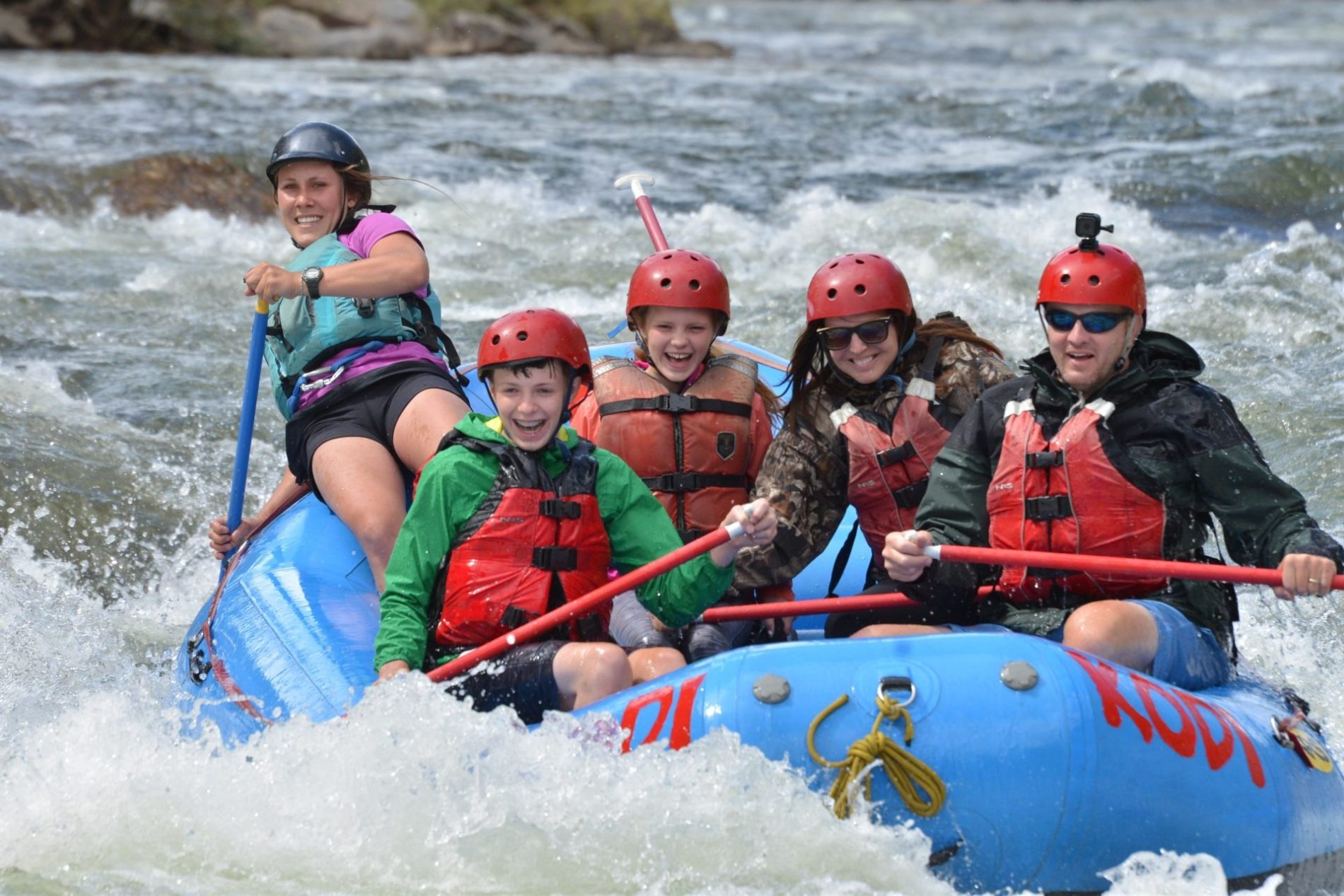
Best Family Outdoor Activities in Colorado: Safe & Fun Adventures for All Ages
| QUICK ANSWERColorado's best family outdoor activities include whitewater rafting, hiking in Rocky Mountain National Park, sandboarding at Great Sand Dunes, ziplining, and hot springs. Many activities are suitable for kids as young as 3. Peak season is June–August, but Colorado offers family adventures year-round. |
Colorado is a world-class family adventure destination. With 300+ days of sunshine, 58 peaks above 14,000 feet, and wild rivers cutting through dramatic canyon scenery, there's no shortage of outdoor experiences built for every age.
This guide highlights some of Colorado’s best family-friendly outdoor adventures, along with age recommendations and local tips to help you plan the perfect trip.
Key Takeaways
- Whitewater rafting starts at age 3 on beginner trips, not just for teens
- Colorado has outdoor activities year-round, not just in the summer
- Bundling activities (raft + zipline + hot springs) saves time and money
- Always book licensed outfitters: safety gear and guides are included
- Hydrate before any activity above 8,000 feet, Colorado’s altitude can affect visitors quickly, so hydration is essential.
- Most parks and trails are free or low-cost with a National Parks Pass
What Are the Best Family Outdoor Activities in Colorado?
Here's a quick comparison of the top options, sorted by thrill level:
| Activity | Min. Age | Level | Best Location |
| Family Whitewater Rafting | 3–5 yrs | Beginner | Arkansas River, Upper Colorado |
| Hiking | All ages | Easy–Moderate | Rocky Mountain National Park |
| Sandboarding | All ages | Easy | Great Sand Dunes National Park |
| Ziplining | 7 yrs+ | Moderate | Salida, Breckenridge, Buena Vista |
| Hot Springs | All ages | Easy | Glenwood Springs, Buena Vista |
| Horseback Riding | 5 yrs+ | Easy | Estes Park, Ouray, Buena Vista |
| Mountain Biking | 8 yrs+ | Moderate | Breckenridge, Crested Butte |
| Advanced Rafting / Kayaking | 12 yrs+ | Thrilling | Browns Canyon, Clear Creek |
Why Is Whitewater Rafting the #1 Family Outdoor Activity in Colorado?
Rafting tops most families' Colorado highlight reel, and for good reason. Few Colorado activities work for as many ages and experience levels as whitewater rafting.
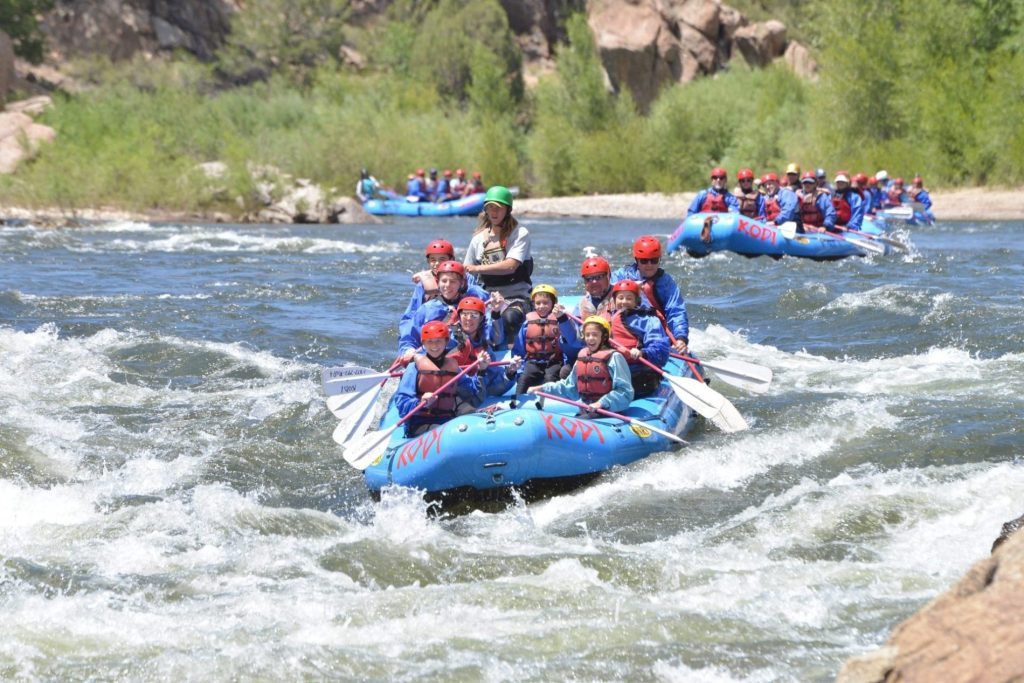
KODI Rafting's family trips on the Big Bend section of the Arkansas River welcome kids ages 3 and up to calm Class I–II water. Older kids and teens can step up to Browns Canyon's Class III–IV rapids. Families can choose calm scenic floats or more exciting whitewater depending on experience level.
Everything is provided: wetsuits, helmets, life jackets, and certified guides. No gear shopping. No complicated prep. Just show up ready for adventure.
It's also genuinely memorable. Spotting bighorn sheep from the raft, paddling through canyon rapids together, these are the moments families talk about for years.
Best Beginner Rafting Trips for Families
Big Bend Half Day: Gentlest option. Calm water, scenic Arkansas River views. Ages 3+.
Upper Colorado River Half Day: Mild rapids, wildflower meadows, granite canyon walls. Guides share local history. Ages 5+.
Clear Creek (Idaho Springs): Class II–III through a historic mining canyon. Easy day trip from Denver. Ages 7+.
| Ready to Book Your Family Rafting Adventure?KODI Rafting has run safe, guided family trips across six Colorado rivers since 1986. Voted #1 rafting company 11 times by Summit Daily Reader's Poll.
Explore Family Rafting Trips → whitewatercolorado.com/river-trips/white-water-rafting-for-kids/ |
What Are the Best Family Hiking Spots in Colorado?
Colorado has hundreds of family-friendly trails. Match the trail to your kids' age, that's the step most guides skip.
- Rocky Mountain National Park: The Sprague Lake loop (0.9 miles, totally flat) works for toddlers. Emerald Lake Trail is ideal for elementary-age kids. The area is known for frequent wildlife sightings, including elk, moose, and marmots
- Lair o' the Bear (Morrison): 2-mile creek-side loop. Free to enter. Kids love the massive cottonwood trees along the trail.
- Hanging Lake (Glenwood Canyon): Reservations required, but worth it. A steep 2.4-mile round trip leads to a stunning turquoise lake. Best for ages 10+.
Pro tip: Start all hikes before 11 AM. Afternoon thunderstorms build fast above treeline in Colorado, so an early start keeps your family safe.
What Hidden Gem Outdoor Activities Do Most Families Miss?
Most travel guides stop at hiking and rafting. These four deserve a spot on your list:
- Sandboarding at Great Sand Dunes: North America's tallest dunes (up to 750 feet). Rent a sled, climb, and fly down. Medano Creek forms a natural splash zone in late spring, basically a natural water park built by nature.
- Hot Springs: Glenwood Hot Springs Pool is the world's largest outdoor hot spring, open year-round. KODI's Paddle & Dip package pairs a rafting trip with hot springs in a single perfect day.
- Duckie Kayaking: Inflatable one- or two-person kayaks on the Arkansas River. Kids 7+ love the independence of steering their own boat. KODI's Duckie trips are beginner-friendly.
- Horseback Riding + Rafting: KODI's Saddle Paddle package combines a guided horseback ride through Colorado ranchland with a river float. Two iconic experiences, one booking.
How Do You Pick the Right Activity for Your Family's Age?
Here's a simple age-based framework:
- Toddlers (2–4): Flat hikes, Great Sand Dunes, hot springs, shallow pools, and Class I–II river floats.
- Kids (5–11): Beginner rafting, horseback riding, duckie kayaking, moderate hikes, and ziplining (min. 60 lbs on most courses).
- Teens (12+): Browns Canyon Class III–IV rapids, mountain biking, multi-day rafting trips, and advanced zipline courses.
One scheduling tip: do your most active adventure first thing in the morning. Save hot springs or a scenic float for the afternoon, it makes the perfect recovery activity.
Make Your Colorado Family Vacation Truly Unforgettable
Colorado is one of the few places where families can raft rivers, hike mountain trails, soak in hot springs, and zipline through forests all in the same trip.
Whether you’re planning your first Colorado vacation or coming back for another round of adventure, the right mix of activities can turn a good trip into one your family talks about for years.
Explore family-friendly rafting trips and adventure packages at whitewatercolorado.com
Frequently Asked Questions
1. At what age can kids start whitewater rafting in Colorado?
Kids as young as 3 can join mild Class I–II floats. KODI Rafting's family trips on Big Bend and the Upper Colorado River welcome children from age 3 on the calmest sections.
2. What is the best time of year for family outdoor activities in Colorado?
June through August offer the most options, rivers are running, trails are open, and temperatures are pleasant. Spring (May–June) is great for wildflowers and fewer crowds. Fall (September–October) brings stunning foliage with mild hiking weather.
3. Are there free family outdoor activities in Colorado?
Yes. Rocky Mountain National Park offers family-friendly trails covered by park entry. Great Sand Dunes charges a small fee, but sandboarding with a rented sled is budget-friendly. Many state park trails cost just a day pass.
4. Is whitewater rafting safe for kids?
Yes, when booked through a licensed outfitter. KODI Rafting's guides are professionally trained, beginner family trips typically run Class I–II rapids, and proper safety gear is always provided.
5. What should families pack for outdoor adventures in Colorado?
Pack layers (mountain weather changes fast), sun protection, sturdy shoes, and plenty of water. For rafting, we provide wetsuits, helmets, and life jackets; no extra gear is needed from you.
6. Can we combine multiple outdoor activities in one Colorado trip?
Yes. We offer packages bundling rafting with ziplining (Zip & Raft), horseback riding (Saddle Paddle), and hot springs (Paddle & Dip), perfect for families who want maximum adventure in one trip.
High Water Rafting in Colorado: When to Go for the Biggest Rapids of the Season
Let's be honest, not all rafting is created equal.
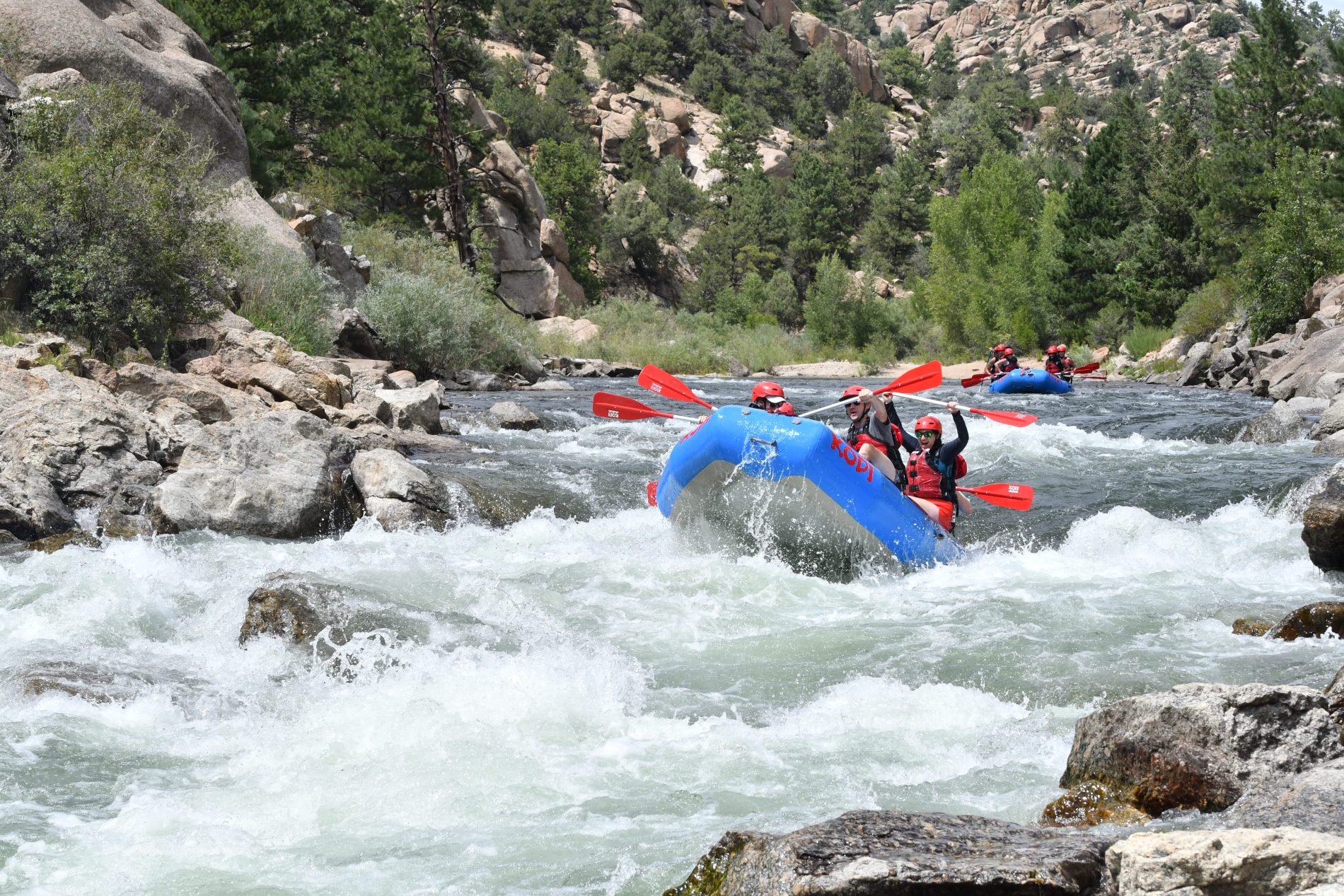
Scenic summer floats are great. But high water season is when Colorado rivers really come alive. If you want the kind of trip where your adrenaline kicks in, your paddle arm gets a real workout, and you step off the raft with the biggest grin of your life, that's high water rafting. And Colorado does it better than just about anywhere else.
The catch? You have got to show up at the right time. Miss the window, and you will be paddling a very different river.
Here's everything you need to know to time it perfectly.
What exactly is the High Water Season?
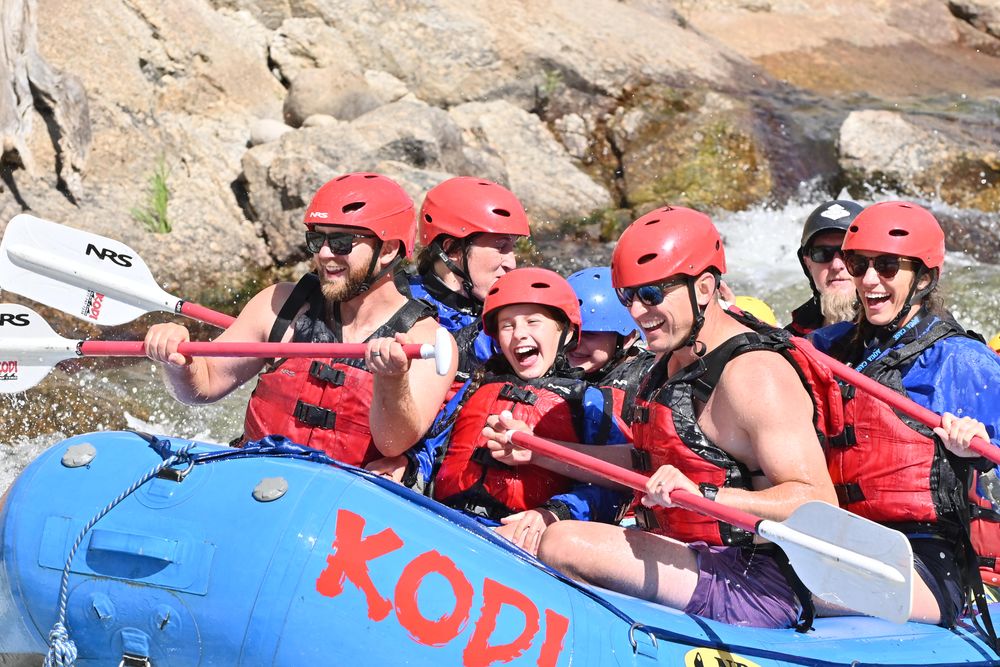
Every spring, Colorado's snowpack starts melting. All that mountain snow has to go somewhere: straight into the rivers.
That surge of snowmelt is what drives the high water season, pushing river levels (measured in cubic feet per second, or CFS) way up. The result: bigger waves, faster currents, and rapids that earn their reputation.
The sweet spot is usually late April through mid-July. But it shifts every year based on how much snow fell the previous winter and how fast spring temperatures rise. A big snow year can keep rivers running wild well into July. A dry year might peak and drop by early June.
Want to know what kind of season is coming? Keep an eye on snowpack reports from the USDA Natural Resources Conservation Service (NRCS). We check them constantly. Snowpack levels are one of the biggest indicators of how strong the rafting season will be.
The Colorado Rivers That Come Alive at High Water
Not every river transforms during runoff. These do, and they are worth planning your whole trip around.
Arkansas River — Royal Gorge: This is the one. The Royal Gorge section of Arkansas is iconic on a normal day. At high water, rapids like Sunshine Falls hit differently, faster, louder, more powerful. This section is best for experienced paddlers, and at peak CFS, it delivers some of the most powerful whitewater in Colorado.
Clear Creek, just a quick shot west of Denver, offers fast, technical whitewater during snowmelt season. The canyon section is fast, technical, and a total blast for paddlers who want a challenge without driving hours into the mountains.
Colorado River — Gore Canyon: Gore Canyon is Colorado's most serious commercial run. Class V at high water. It's not for everyone, and that's exactly what makes it special for those who are ready. A true bucket-list run for experienced paddlers.
Cache la Poudre River: One of Colorado's Wild and Scenic Rivers, the Poudre runs hard and fast each spring. A great fit for intermediate paddlers who want real whitewater without committing to the gnarliest runs on the list.
How to Know You are Hitting Peak Flows
River gauges are your best friend. USGS Water Watch gives real-time CFS data for rivers across Colorado. Bookmark it. Check it obsessively.
A quick cheat sheet for reading the numbers:
- Under 800 CFS: Moderate conditions, great for beginners and families.
- 800–2,000 CFS: Bigger waves and more technical whitewater. Strong intermediate to advanced whitewater.
- 2,000+ CFS: Full high-water conditions and expert-level rafting. Full-on Colorado whitewater.
And always, check in with your outfitter before booking. We monitor river conditions daily during the season and will tell you straight up whether the timing and the trip match your skill level.
Stay Safe Out There
High water rafting is not a mellow summer float. The river is faster, the hydraulics are bigger, and there are fewer calm eddies to catch your breath and regroup. Currents that feel manageable at 600 CFS feel entirely different at 2,500 CFS, and high water conditions can change the river quickly, even for experienced paddlers.
That doesn't mean it's reckless. It means it demands the right preparation. Go in informed, geared up, and guided, and it becomes one of the safest thrills you'll ever chase.
Here’s what that looks like on the water :
- Go with a certified, experienced guide. Not optional at high water. Full stop. A good guide reads the river in real time, knows the lines through every rapid, and knows exactly what to do when things get spicy.
- Wear your PFD and helmet. Every single time. No exceptions. No "just this once." The gear exists for a reason, and high water conditions make proper gear essential.
- Wetsuit or drysuit up. Snowmelt water runs 40–55°F even on warm bluebird days. That cold hits fast when you're swimming. Dress for the water temperature, not the air temperature. Cold water protection is critical during snowmelt season.
- Actually listen during the safety briefing. You’ve probably heard it before. Listen anyway. Your guide covers specific conditions for that day, that river, that flow level. Those briefings are built around the exact river conditions you’ll face that day.
Do it right, and high water rafting is one of the most exhilarating, memorable, fully alive experiences you can have in Colorado. We've watched thousands of guests step off the raft completely soaked, absolutely buzzing, and immediately asking when they can do it again. That reaction never gets old.
The Early Rafter Gets the Rapids
High water season is the most sought-after window on the Colorado rafting calendar, and outfitters know it. Weekends in Arkansas through May and June fill up weeks in advance. If you've got a group, a specific date, or a particular river in mind, waiting until the last minute is a gamble you really don't want to take.
Our best advice? Lock in your spot at least 4–6 weeks ahead of your target dates. That way, you are choosing your window, not settling for the best available launch times and river sections. Early booking also gives you time to monitor flow conditions, pick the right trip for your skill level, and show up on the day with zero stress and maximum excitement.
The river runs on its own schedule. The good news is, so can you, if you plan ahead.
Ready to experience Colorado at peak flow?
KODI Rafting has been guiding high-water rafting trips since 1986, with adventures ranging from beginner-friendly floats to serious whitewater runs during peak runoff season.
Explore trips and reserve your spot at whitewatercolorado.com
Call (877) 747-7238 to plan your trip
Peak flow windows fill fast. Book early for the best river conditions of the season.
Frequently Asked Questions
Q1: What does Colorado's 2026 snowpack mean for high water rafting this season?
Below-average snowpack usually means lower flows statewide, but even lower snowpack years can still offer excellent rafting conditions. Dam releases and reservoir systems keep rivers like the Arkansas running all summer long.
Q2: How cold is the water during high water rafting season?
Snowmelt rivers run 40–55°F even on warm sunny days. Wetsuits are non-negotiable. Cotton is a big no. Proper cold-water gear is essential during runoff season.
Q3: Can beginners do high water rafting in Colorado?
Not on every river. High water raises difficulty levels and age minimums fast. Beginners should stick to guided, beginner-friendly sections, like the Upper Colorado, until they're ready to level up.
Q4: When exactly is peak high-water rafting season in Colorado?
Late May through mid-June is the typical peak. June usually brings the highest CFS flows as mountain snowmelt runoff reaches its seasonal peak. Mark your calendar.
Q5: How far in advance should I book a high-water rafting trip?
4–6 weeks minimum. Peak weekends in May and June go fast, and booking early means you can actually target the best flow windows of the season instead of taking whatever's left.
Browns Canyon Rafting Colorado: A Perfect Blend of Adventure and Scenery
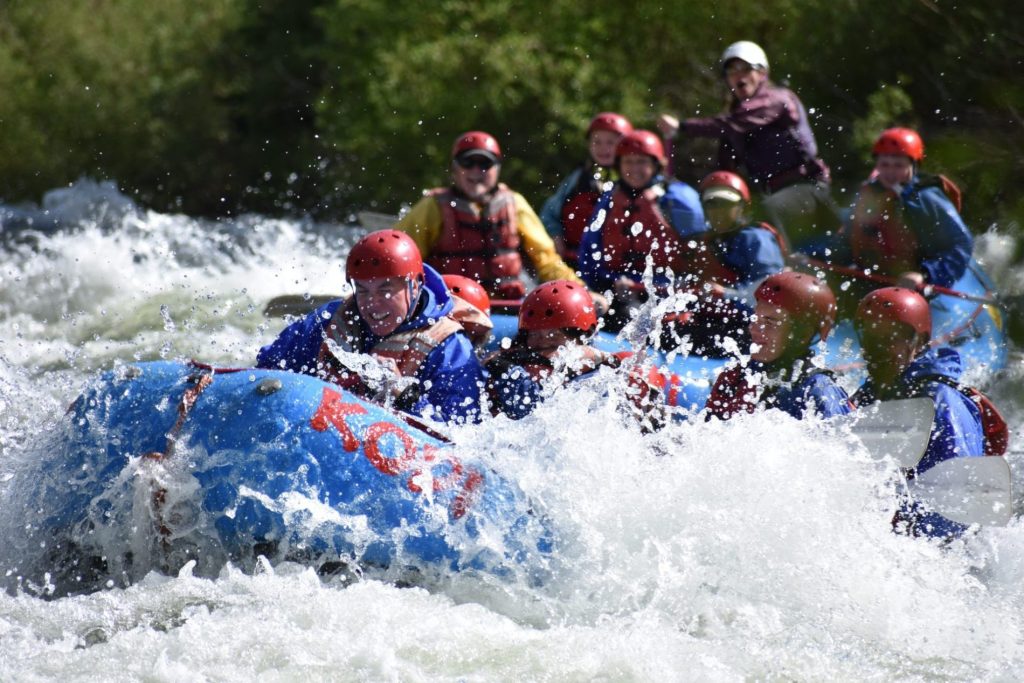
Planning a Colorado getaway and searching for an unforgettable outdoor experience, Browns Canyon rafting in Colorado deserves a spot at the top of your list. Known for its stunning granite cliffs, refreshing mountain waters, and Class III rapids suitable for families and thrill-seekers alike, Browns Canyon offers a true Rocky Mountain adventure that blends excitement with breathtaking scenery.
Browns Canyon provides the perfect setting to experience the Colorado outdoors the way it was meant to be enjoyed on the river.
Why Browns Canyon Is One of Colorado’s Best Rafting Destinations
Family-Friendly Rapids & Scenic Wilderness
Browns Canyon National Monument sits along the Arkansas River and is one of the most scenic and cherished rafting locations in the country. With mostly Class III rapids, it strikes the right balance of fun waves, splashes, and excitement without being overwhelming for beginners or younger paddlers.
Think of it as the best mix of adventure and comfort:
- Thrilling rapids that get your heart pumping
- Calm stretches for laughter, swimming, and soaking in mountain views
- Towering canyon walls, pine forests, and wildlife sightings
The result? A rafting trip that’s exciting, but still accessible to first-time rafters, families, and groups looking to share a memorable river experience.
A True Colorado Rafting Experience
When travelers picture whitewater in Colorado, they often imagine exactly what Browns Canyon delivers: mountain sunshine, cool river splashes, and wide-open wilderness. The Arkansas River flows fast and lively during peak season, offering dependable whitewater conditions throughout summer.
Along the way, keep your eyes open; it's not uncommon to spot bighorn sheep, deer, hawks, and even eagles.
With local river guides sharing stories about the area’s nature, history, and river culture, you will get more than just a rafting adventure; you will connect with the spirit of the Colorado outdoors.
Choosing the Right Browns Canyon Rafting Trip
Whether you are planning a family trip, a group outing, or a solo adventure, Browns Canyon has options for every comfort level.
Half-Day & Full-Day Rafting Options
Many Colorado visitors choose a half-day rafting trip for a fun, refreshing adventure that fits perfectly into a vacation schedule. A full-day Browns Canyon rafting trip, on the other hand, offers more time on the water and typically includes stops along the riverbank for resting, eating, or exploring nearby scenery.
Guided Rafting Experience
With a professional guide leading the way, you can focus on enjoying each rapid, learning paddling techniques, and having fun with your group. Guides ensure safety, share local insight, and make sure every guest, from kids to adults, feels supported, confident, and ready to enjoy the river.
The KODI Rafting Difference
Colorado has many outdoor outfitters, but KODI Rafting brings something special to the river: a personal touch and a family-focused approach. As a locally owned and family-operated business, KODI is built on passion for the river and genuine care for every guest.
- Owners involved in daily operations and trip planning
- Hand-crafted approach to each booking
- Warm, welcoming, community-driven staff
- Focus on comfort, safety, and memorable experiences
Tips for Planning Your Browns Canyon Rafting Trip
To make the most out of your adventure:
➨ Book early during summer (June–August is peak season)
➨ Wear quick-dry clothing and secure footwear
➨ Bring sunscreen, water, and a sense of adventure
➨ Let guides know if it's your first time, it's welcome here!
While celebrating a vacation, a family gathering, or simply embracing time outdoors, Browns Canyon offers the ideal setting to build memories and share excitement on the water.
Why Browns Canyon Rafting Belongs on Your Colorado Bucket List
Rafting Browns Canyon in Colorado is more than a day on the river; it's a chance to disconnect from screens, reconnect with nature, laugh, paddle, splash, and breathe in the stunning Colorado mountain air. With just the right mix of fun and serenity, it's an adventure that welcomes all types of travelers.
From scenic canyon walls to rolling rapids and friendly guides who love the river as much as they love sharing it, this is an experience that stays with you long after you head home.
Ready to Enjoy the Best of Browns Canyon Rafting Colorado?
If you're looking to add a meaningful, refreshing, and family-friendly adventure to your Colorado vacation, Browns Canyon is calling.
Let expert guides, beautiful scenery, and genuine hospitality turn your river day into a highlight of your trip.
When you're ready to paddle through Colorado’s natural beauty and create unforgettable moments on the water, the river awaits.
Come join the experience.
Frequently Asked Questions
- What Is Browns Canyon Rafting?
Browns Canyon rafting in Colorado is a guided whitewater experience on the Arkansas River featuring Class III rapids, scenic canyon views, and family-friendly adventure. It’s one of the most popular rafting trips in Colorado, perfect for beginners, groups, and outdoor enthusiasts.
- When Is the Best Time to Go Browns Canyon Rafting?
The best time to raft Browns Canyon is from late May through August, with peak flows in June offering the most exciting rapids and mid-summer providing a balance of fun and comfort.
- Is Browns Canyon Rafting Safe?
Yes, Browns Canyon rafting is safe when guided by professional outfitters. Safety gear, trained guides, and well-established routes make it a secure and enjoyable activity for most visitors.
- Do You Need a Guide for Browns Canyon Rafting?
Most visitors choose guided rafting trips for safety and ease. Guides handle navigation, provide instructions, and enhance the experience with local knowledge and support.
- How Far Is Browns Canyon from Breckenridge?
Browns Canyon is located approximately 70 miles from Breckenridge, with a typical driving time of about 1.5 to 2 hours, depending on traffic and road conditions. This makes it a convenient and popular day trip for visitors staying in Breckenridge who want to experience whitewater rafting on the Arkansas River.
White Water Rafting Difficulty Levels & Classifications
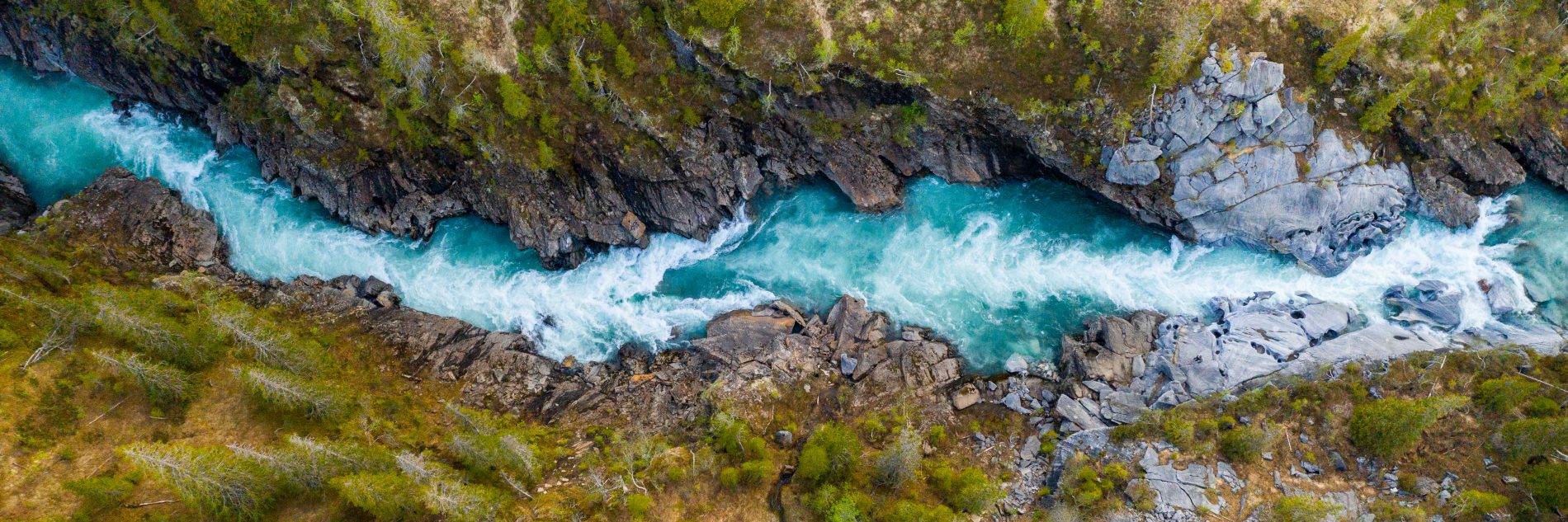
White water rafting is an exhilarating way to experience nature's power. Understanding the different rafting levels, from gentle Class I to intense Class VI is key to choosing the right adventure. Kodi Rafting offers trips in Colorado for every skill level, from beginner to expert. Discover your ideal whitewater experience and get ready for an unforgettable ride.
Find Your Rapids: From Family-Friendly to Full-Throttle
Ever wondered why some rafting trips are labeled "beginner-friendly" while others come with warnings? It all comes down to the international classification system for white water rapids, which ranges from Class I to VI. These rafting levels help match each trip to a rafter’s experience and appetite for adventure. It’s not just about speed—factors like obstacles, drops, and required technical skill all play a role.
For example, Class II rapids have small waves and clear channels, which are great for families or first-timers, while Class V rapids involve intense, technical runs suited for experts. Understanding these levels is key to choosing the right experience. Kodi Rafting offers trips across all difficulty levels on Colorado’s stunning rivers. Whether you're looking for a relaxing float or an adrenaline-filled ride, we have the perfect adventure.
The Six Classes of White Water Rafting
From gentle ripples to roaring rapids, white water rafting offers a range of thrills for every adventurer. Let's break down the six classes of rapids you might encounter on your next Colorado River trip:
Class I & II: Gentle and Easy
Perfect for families and first-timers, these beginner-friendly rapids offer small waves and open channels—just enough excitement to keep things fun. Ready to dip your paddle? Find your level with Kodi Rafting.
Class III & IV: Intermediate and Adventurous
Class III rapids feature larger waves and tighter passages, while Class IV ramps up the intensity with powerful currents requiring paddling skills and adrenaline. Ready to test your mettle? Explore rafting classes for our intermediate adventures.
Class V & VI: Challenging and Extreme
Class V rapids are the big leagues—steep drops, huge waves, and complex routes that demand split-second decisions. Only seasoned rafters should tackle these challenging waters. Class VI rapids are even more extreme, rarely attempted, and respected like the Mount Everest of rafting.
At Kodi Rafting, we offer trips for every skill level, from easy floats to pulse-pounding rides. Whether you’re rafting with kids or seeking an adrenaline rush on advanced rapids, we have the perfect adventure. Ready for your next Colorado River experience? Book your trip, and let’s get paddling!
Choosing the Right Rafting Experience with Kodi Rafting
At Kodi Rafting, we know that matching rafters with the right rapids turns a good day into an unforgettable adventure. Our trips cater to all skill levels, from tranquil floats to pulse-pounding descents. Newcomers and families often choose our Class I and II trips, enjoying gentle journeys through Colorado’s scenic waterways with chances to admire the landscape and spot wildlife.
For those with some paddling experience, our Class III and IV trips offer a thrilling mix of calm stretches and challenging rapids. Seasoned rafters seeking the ultimate rush can tackle Class V expeditions, featuring Colorado’s most intense rapids that demand quick reflexes and steady nerves. Our guides, who know these rivers inside and out, lead every Kodi Rafting trip, ensuring safety and a fun, memorable experience.
Choose Your Rapids. Chase the Thrill.
Choosing the right rafting trip isn't just about picking a number—it's about finding an experience that matches your skills and satisfies your sense of adventure. Understanding these classifications helps you make the most of your time on the water, whether after a leisurely float or a white-knuckle ride.
Kodi Rafting has been guiding adventures on Colorado's rivers for years, and we're always excited to introduce new rafters to the sport we love. From the meandering Arkansas River to the churning waters of Clear Creek, we've got a perfect trip for you.
Ready to make some waves? Book your Kodi Rafting adventure. Let's get you out on the water and create unforgettable Colorado memories.
