
September can be one of Colorado’s most scenic times to raft, as summer crowds begin to thin and mountain landscapes transition toward fall. Depending on the river and current conditions, late-season rafting can offer a different experience from the higher flows of spring and early summer, with changing aspens, cooler air, and more time to appreciate the scenery around the river.
For families, first-time rafters, photographers, and travelers planning a fall getaway, September can provide an opportunity to experience Colorado’s rivers from a different perspective.
Why September Changes the Rafting Experience
Colorado rafting is often associated with June and July, when snowmelt contributes to higher flows and bigger whitewater on many rivers. By September, conditions have typically shifted toward lower late-season flows, although the exact experience varies considerably by river, section, and year.
Some rapids may become less powerful as water levels drop, while exposed rocks and narrower channels can make certain sections more technical. September should not automatically be considered an easy rafting month. River difficulty depends on the specific stretch, water levels, weather, and current conditions.
What changes most is the overall character of the trip. Lower flows can provide opportunities to slow down between rapids and take in canyon walls, mountain slopes, and river corridors as the landscape begins its seasonal transition.
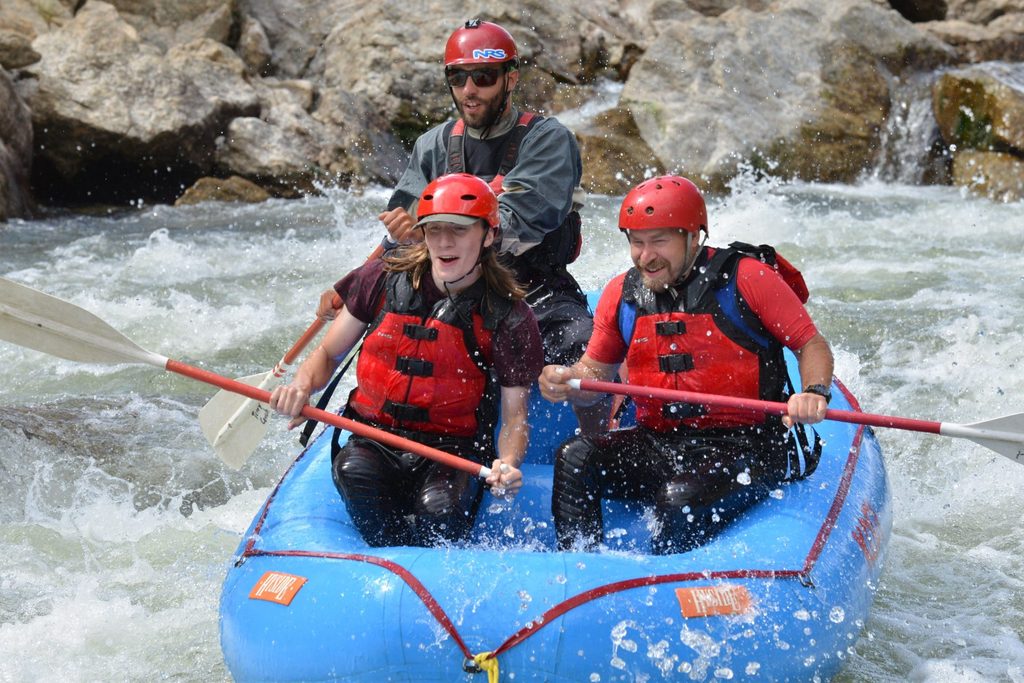
What Does Fall Foliage Look Like From the River?
Seeing Colorado’s fall color from the water offers a perspective that a roadside pullout cannot quite reproduce. Instead of looking across a valley from a distance, you’re moving through the landscape, with canyon walls, riverbanks, and mountain slopes rising around you.
September is an important month for fall color, but there is no single statewide peak date. Colorado’s official tourism guidance explains that foliage timing varies by location and elevation, and the viewing window can be relatively fleeting.
Source: https://www.colorado.com/articles/where-and-when-see-fall-colors-colorado
An early-September trip and a late-September trip can therefore look noticeably different. Along river corridors and mountain valleys, patches of yellow and gold may appear while other slopes remain green. Exact timing varies by elevation, location, weather, and year, making flexibility useful for travelers hoping to see peak color.
For photographers and families, that changing landscape is part of the appeal.
Where Can You Combine Fall Color and a River Experience?
Colorado offers many ways to see changing leaves, from scenic drives and hikes to horseback rides and train trips. Rafting adds another perspective by placing travelers directly within the surrounding landscape.
The Arkansas River corridor around Buena Vista can offer early-September rafting opportunities, but its primary rafting season generally runs from mid-May through early September, typically around Memorial Day through Labor Day. Availability after that point is dependent on current conditions and the specific trip.
For a later-September river experience, the Upper Colorado River is a stronger example of a late-season option, particularly for travelers interested in a more relaxed float and scenic mountain surroundings. As with any late-season rafting trip, availability and conditions should be confirmed with the outfitter before planning.
Not every river or September date will look the same. Elevation, weather, river conditions, and location all influence both rafting availability and when the leaves change.
Is September Rafting Good for Families and First-Time Rafters?
It can be, depending on the specific river section and trip. Some late-season trips may offer a more relaxed experience than higher-flow rafting earlier in the summer, while cooler fall air and changing scenery create a different atmosphere from midsummer.
However, lower water does not mean every September trip is automatically suitable for every family or beginner. River difficulty varies by section, and children and first-time rafters can have different comfort levels around cold water, splashing, and rapids.
Select late-season trips can be appropriate for first-timers, depending on the river section and current conditions. The right trip depends on the group’s age, experience, and desired level of adventure. Checking current conditions and trip requirements with the outfitter is especially important when planning a late-season rafting trip.
What Should You Pack for a September Raft Trip?
| Consideration | September reality |
| Air temperature | Comfortable afternoons, cooler mornings and evenings |
| Water temperature | Cooler than midsummer |
| Water levels | Generally lower than spring runoff |
| Crowds | Typically lighter than peak summer |
| Clothing | Layers and appropriate water gear |
| Best fit | Scenic floats and selected moderate-water trips |
Plan for temperature changes. Layers help at the put-in and after the trip, while water-specific gear improves comfort on the river. Sun protection remains important because Colorado’s elevation can mean strong sun even when the air feels cool.
Gear requirements and included equipment vary by trip, so check the specific KODI trip details before heading out.
How to Plan a September Rafting Trip in Colorado
- Choose the experience first. Decide whether your priority is fall scenery, a family-friendly float, or more active whitewater.
- Check current conditions. September flows vary by river and by year, so the calendar alone does not tell the whole story.
- Watch foliage timing. Because color moves through Colorado at different elevations, flexibility can help if peak leaves are a major part of your trip.
- Prepare for changing temperatures. A warm afternoon does not necessarily mean a warm morning or warm water.
- Leave time for the destination. Add scenic drives, hiking, local food, or other outdoor activities to your fall weekend.
September vs. Peak Summer: What Actually Changes?
| Factor | June–July | September |
| River character | Higher flows on many snowmelt-driven stretches | Lower late-season flows on many stretches |
| Rapids | Can be bigger and more powerful during runoff | Often less forceful, though some sections can become more technical |
| Crowds | Peak summer demand | Typically quieter |
| Scenery | Lush summer landscape | Emerging fall color |
| Temperatures | Warmer overall | Warm afternoons, cooler mornings and evenings |
| Best fit | Bigger-water adventure | Scenic, relaxed experiences |
Neither is universally better. On many Colorado stretches, June and July suit travelers looking for stronger whitewater, while September can suit people who want to slow down and experience the fall landscape.
Conclusion
September rafting in Colorado is less about chasing the highest flows and more about experiencing the river in context: cooler air, quieter conditions, changing mountain color, and time to appreciate the landscape around you.
For families, photographers, first-time rafters, and travelers planning a fall Colorado getaway, a scenic float can be a memorable way to see the season from a different angle.
KODI Rafting has guided Colorado river trips since 1986, providing local experience for travelers choosing a late-season trip that fits their group and current river conditions.
Ready to plan a late-season rafting adventure? Check KODI Rafting’s current trip availability and explore the Colorado rafting options that are still operating for your September travel dates.
Frequently Asked Questions
Is September too late to go rafting in Colorado?
Not necessarily, but rafting availability depends on the river and time of September. Some Colorado rafting seasons extend into September, while others, including the Arkansas River around Buena Vista, typically operate through early September, around Labor Day. Check the specific river, trip schedule, and current conditions before booking.
Will the water be too cold to raft in September?
Water temperatures are generally cooler than midsummer, so appropriate gear is important. KODI’s included equipment and recommendations vary by trip. For example, Browns Canyon trips may include wetsuits, booties, and splash tops, while Upper Colorado trips have different gear guidance. Check the specific trip information when preparing for your outing.
Do I need whitewater rafting experience for a September trip?
Select late-season trips can be appropriate for first-timers, depending on the river section and current conditions. Trip difficulty varies, so beginners should review the specific trip description and discuss their experience level with KODI before booking.
When does aspen foliage peak in Colorado?
Exact timing varies by elevation, location, weather, and year. Higher elevations and northern areas can begin changing earlier, while other locations may reach peak color later. Because the viewing window can be fleeting, checking local foliage conditions closer to your travel dates can help when planning a fall trip.
Is September a good time to book because of fewer crowds?
September can offer lighter demand than the peak summer period, although availability varies by river and trip. For late-season travel, it is best to check KODI’s current schedule rather than assume that every river or trip operates throughout September.