
Stand-Up Paddleboarding in Colorado: Best Lakes & Reservoirs for Summer SUP Adventures
Introduction
Colorado may be known for mountains and rivers, but it's also one of the best places in the country for stand-up paddleboarding. From calm Front Range reservoirs to scenic alpine lakes, paddlers can find everything from beginner-friendly flatwater to high-elevation adventures.
Whether you are a beginner looking for a calm reservoir close to Denver or an experienced paddler ready to explore alpine lakes above 8,000 feet, Colorado has the water and the backdrop to match. Here's where to go, what to expect, and everything you need before you launch this summer.
What Makes Colorado Great for Paddleboarding?
Most landlocked states struggle with SUP options. Colorado is the exception.
- 2,000+ lakes and reservoirs ranging from calm urban flatwater to remote high-altitude lakes
- Stunning mountain backdrop views that most coastal paddlers can't access
- No SUP registration required, non-motorized paddleboards don't need to be registered in Colorado; just pay the applicable state park entrance fee and carry a Coast Guard-approved PFD per person
- Morning calm windows, Colorado's high altitude creates predictable afternoon wind patterns; mornings are almost universally smooth and glassy
- Rental availability outfitters like Rocky Mountain Paddleboard operate at multiple Front Range reservoirs from May through October
One critical rule most competitors skip: Boulder Reservoir requires a separate boat permit for all watercraft, including SUPs, in addition to the standard entry fee. Don't show up assuming your state park pass covers everything; check each location's specific rules before you go.
Best Places for Stand-Up Paddleboarding in Colorado This Summer
1. Chatfield Reservoir — Best All-Around SUP Spot Near Denver
Location: Littleton (south Denver), Chatfield State Park
Skill Level: Beginner to Intermediate
Entry Fee: Colorado State Parks pass or daily vehicle fee
Rentals: Available on-site from $40/hour (May 1 – September 30)
Best For: Day-trippers, families, first-timers
Chatfield is the most practical starting point for most visitors. The reservoir covers 1,450 acres of generally calm flatwater, surrounded by the wide-open skies of the Front Range. It's large enough to offer a meaningful paddling experience without the exposure risks of high-alpine lakes.
On-site rentals include the board, paddle, and life jacket, plus a brief intro to SUP technique. No experience required, and no gear hauling. That combination makes it the go-to for first-time paddlers visiting from out of state.
Insider tip: Arrive by 8–9 AM on weekends. The water is glassiest in the morning, parking fills quickly by mid-morning, and afternoon winds can make the surface choppy.
2. Boulder Reservoir — Best for SUP Yoga and Intermediate Paddlers
Location: North Boulder, Boulder County
Skill Level: Beginner to Intermediate
Entry Fee: $7/adult (summer season, Memorial Day to Labor Day) + separate boat permit required
Rentals: Available through local outfitters
Best For: SUP yoga practitioners, fitness paddlers, nature lovers
Boulder Reservoir is one of Colorado's most popular paddleboarding destinations, calm, accessible, and framed by views of the Flatirons. It's also one of the most well-regulated, which keeps the water clean and the experience quality high.
What competitors miss: Before visiting Boulder Reservoir, be aware that all paddleboards require a separate boat permit in addition to the standard entry fee. Contact Boulder Parks and Recreation before your visit to arrange it. Also note: the reservoir enforces strict aquatic invasive species rules; boards must be cleaned and dried for at least 10 days before bringing them from another body of water.
SUP yoga classes operate here regularly throughout the summer. If that's your thing, it's the best venue in the state.
3. Blue Mesa Reservoir — Best for Distance Paddling and Views
Location: Curecanti National Recreation Area, near Gunnison
Skill Level: Intermediate to Advanced
Entry Fee: National Recreation Area pass
Best For: Experienced paddlers, distance touring, canyon exploration
Blue Mesa is Colorado's largest body of water, a sprawling reservoir within the Curecanti National Recreation Area, roughly 20 miles of paddleable surface framed by dramatic canyon walls and blue sky. The Lake Fork arm past Sapinero offers a narrower canyon paddle that feels genuinely remote, winding upriver until you reach the natural inflow.
For paddlers who want mileage and scenery over convenience, Blue Mesa is the top pick in the state.
Weather note: Afternoon thunderstorms develop quickly at elevation. Always check the forecast and plan to be off the water by early afternoon on unstable days.
4. Grand Lake: Most Scenic Alpine Setting
Location: Grand Lake, near Rocky Mountain National Park
Skill Level: Intermediate (cold water awareness required)
Entry Fee: Town/park fees apply
Best For: Nature lovers, photographers, experienced paddlers
Grand Lake is Colorado's largest natural lake and sits at over 8,300 feet on the west side of Rocky Mountain National Park. The scenery is extraordinary: snowcapped peaks, dense pine forests, and the kind of reflection on the water that often encourages paddlers to pause and take in the scenery.
That elevation means cold water year-round, fast-changing weather, and higher physical demands than Front Range reservoirs. Build in extra acclimatization time if you're visiting from lower altitudes, and always paddle with a partner here.
5. Horsetooth Reservoir — Best for Fort Collins Visitors
Location: Fort Collins
Skill Level: Beginner to Intermediate
Entry Fee: Larimer County Parks daily fee
Best For: Fort Collins locals, beginner paddlers, camping combos
Horsetooth is seven miles long, set against red sandstone ridges, and easily accessible from Fort Collins. The calm water and consistent summer conditions make it ideal for beginners or families combining paddling with camping and hiking nearby.
Morning hours are reliably calm. Afternoons can bring wind off the ridgelines, especially along the western shore.
6. Union Reservoir (Longmont) — Best for Uncrowded Flatwater
Location: Near Longmont
Skill Level: Beginner
Entry Fee: Daily watercraft fee (in addition to park entry)
Rentals: Rocky Mountain Paddleboard operates on-site
Best For: Quieter experience, SUP yoga, meditative paddling
Union Reservoir is one of the most underrated SUP spots in Colorado. Less crowded than Chatfield or Boulder Reservoir, with calm water, Front Range views, and an active SUP yoga community. Rocky Mountain Paddleboard offers rentals and instruction here seasonally.
SUP Spot Comparison at a Glance
| Location | Skill Level | Rentals | Entry Fee | Best Feature |
| Chatfield Reservoir | Beginner–Intermediate | Yes, from $40/hr | State Parks pass | Convenient, calm, great for beginners |
| Boulder Reservoir | Beginner–Intermediate | Yes | $7 + boat permit | SUP yoga, clean flat water, Flatirons views |
| Blue Mesa Reservoir | Intermediate–Advanced | Limited | NRA pass | Colorado's largest water, canyon arms |
| Grand Lake | Intermediate | Limited | Town/park fees | Most scenic alpine setting in the state |
| Horsetooth Reservoir | Beginner–Intermediate | Yes | Larimer County fee | Fort Collins access, red rock scenery |
What You Need to Know Before You Paddle in Colorado
PFD requirement: Colorado law requires a Coast Guard-approved life jacket accessible on board for every person paddling. Children 12 and under must wear one at all times on the water.
No registration needed: Non-motorized SUPs don't require boat registration in Colorado. However, specific locations (like Boulder Reservoir) require separate boat permits — always check before arriving.
Aquatic invasive species (AIS): Colorado takes invasive species seriously. Clean your board thoroughly and allow at least 10 days to dry before launching it at a new body of water. Some reservoirs enforce this strictly.
Afternoon wind is real: Colorado's high altitude creates consistent afternoon thermal winds. The general rule: paddle in the morning, rest or hike in the afternoon. Most experienced Colorado paddlers are on the water by 7–9 AM.
Inflatable vs. hard board: For Front Range reservoirs and calm lakes, inflatable paddleboards perform comparably to hardboards and are far easier to transport and store. They're the practical choice for most Colorado summer paddlers.
Conclusion
Colorado rewards paddlers who show up prepared. The water is cold, the afternoon wind is reliable, and the altitude is real, but so is the scenery, and no coastal destination quite matches what you'll see from the middle of Blue Mesa Reservoir or Grand Lake on a clear summer morning.
Whether you're paddling across a calm reservoir or exploring a high-alpine lake, Colorado offers some of the most scenic paddleboarding destinations in the country. For visitors looking to experience Colorado's waterways from a different perspective, guided rafting and inflatable kayak trips can add another layer of adventure to your summer itinerary.
Frequently Asked Questions
Q: Do you need a license or permit to paddleboard in Colorado?
Non-motorized paddleboards do not require a boat license or registration in Colorado. You must pay applicable state or county park entry fees and carry a Coast Guard-approved PFD for each person. Some locations, particularly Boulder Reservoir, require an additional boat permit for all watercraft, including SUPs. Check each location's rules before you go.
Q: When is the best time of year to paddleboard in Colorado?
The season runs from May through October. June through August offers the warmest air temperatures and the widest rental availability. Morning hours — typically 7–10 AM — offer the calmest water conditions before afternoon winds develop. High-alpine lakes like Grand Lake are best visited in July and August when the weather is most stable.
Q: Can you paddleboard on Colorado rivers?
Yes, but it's a significant step up from lake paddling. The Colorado River has Class I sections suitable for experienced flatwater paddlers, but river-specific hazards (strainers, pin rocks, low-head dams, cold water) require proper preparation. Always use a quick-release leash and a Type III or V PFD on moving water, and consider going with a guide for your first river SUP experience.
Q: Where can I rent a paddleboard in Colorado?
Rentals are available at most major reservoirs. Rocky Mountain Paddleboard operates at Chatfield Reservoir, Aurora Reservoir, Union Reservoir, and other Front Range locations from May through October. Chatfield offers hourly rentals from $40, including board, paddle, and life jacket.
Q: Is stand-up paddleboarding hard for beginners?
Most beginners can stand and balance within 10–15 minutes in calm water. Starting on a wide, stable beginner board (32+ inches wide) on flat water makes the learning curve gentle. Calm reservoirs like Chatfield and Horsetooth are ideal learning environments. Starting on the knees and working up to standing is the standard approach most instructors recommend.
Q: Are inflatable paddleboards good enough for Colorado lakes?
Yes. For flat-water lakes and reservoirs, which cover the majority of Colorado SUP destinations, high-quality inflatable SUPs perform comparably to hardboards. Their portability is a significant advantage when transporting from urban areas. They're the practical choice for most visitors and are what most rental fleets use.
Q: Is paddleboarding easier than kayaking?
Kayaking usually feels easier at first because you're seated and more stable. However, most beginners can learn the basics of paddleboarding quickly, and many enjoy the greater freedom of movement and the views it provides.
Q: Can beginners learn paddleboarding in one day?
Yes. Most beginners can learn to stand, balance, and paddle comfortably within their first session, especially on calm water and with a stable beginner-friendly board.

Which Colorado Rivers Are Running Best Right Now? Unstoppable Colorado Summer Adventures
Direct Answer: The Colorado rivers running best right now in summer 2026 are the Arkansas River (stable flows via reservoir releases through August), the Colorado River near Glenwood Springs (most consistent and family-friendly all season), and Clear Creek near Idaho Springs (fast and technical, best through June). Despite a historically low snowpack, a full Colorado rafting season is underway, with options for every skill level and age group.
Introduction
There's no better way to experience a Colorado summer than from the middle of a river. Whether you want a mellow float with the kids or a heart-pounding run through canyon rapids, Colorado's rivers deliver if you know which ones to target.
But 2026 isn't a typical season. Snowpack hit record lows this winter, and that's reshaping which rivers are worth your time and when. The right information right now can make or break your summer adventure. Here's what's actually running, what conditions look like, and how to plan a trip that delivers.
What's Happening With Colorado Rivers in Summer 2026?
This season, outfitters across the state are calling 2026 "unprecedented." Streamflows are projected at less than half of normal for most rivers, with some smaller drainages running below a quarter of their typical volumes.
That sounds alarming, but Colorado's river system is more resilient than headlines suggest. The state has a diverse network of dams and reservoir systems that allow water to be released strategically, keeping commercial rafting viable even in dry years. Outfitters are adapting daily, shifting operations to wherever the water is best.
The bottom line: Rivers backed by reservoir management are running well. Free-flowing, snowmelt-only rivers have compressed windows. Know the difference before you book.
Which Colorado Rivers Are Running Best Right Now?
1. Arkansas River: The Most Reliable River of 2026
The Arkansas is Colorado's most popular whitewater destination, and this summer, it's also the most protected from low-snowpack conditions. Upstream reservoir systems are maintaining reliable flows through key sections, making it the go-to choice for anyone planning a summer trip.
- Best for: Beginners, intermediate paddlers, families, first-timers
- Top runs: Browns Canyon National Monument (Class III), Bighorn Sheep Canyon (Class II–III), Royal Gorge (Class IV–V for advanced paddlers)
- 2026 season: Peak conditions in June, with boatable flows expected through July and into August
- Low water bonus: Clearer water, more technical rapids, better teamwork required — many paddlers actually prefer it
Browns Canyon is consistently the #1 intermediate rafting choice in Colorado 10 miles through a stunning national monument with rapids that challenge without overwhelming.
2. Colorado River (Glenwood Springs) Best for Families All Summer
The Colorado River through Glenwood Canyon is the state's most consistent summer rafting destination. It draws from a large watershed fed by tributary creeks and upstream water management, which keeps it flowing when smaller rivers have already dropped out.
- Best for: Families, young children (ages 3+), first-time rafters, nature lovers
- Class level: II–III with dramatic canyon scenery
- Season: Consistently raftable through peak summer and into early fall
- Sweet spot: 600–1,000 CFS delivers ideal family-friendly conditions with great swimming opportunities
This is the river where Colorado rafting memories get made for generations of families. Calm enough for kids, scenic enough for everyone.
3. Clear Creek (Idaho Springs) Best for Denver Day-Trippers
Only 35–45 minutes from Denver, Clear Creek delivers more rapids per mile than almost any other commercial river in Colorado. It's fast, technical, and ideal for anyone who wants big whitewater without a long drive.
- Best for: Thrill-seekers, intermediate to advanced paddlers, Denver visitors
- Class level: II–III (Middle Clear Creek, ages 6+) up to IV–V (Lower Canyon, ages 16+)
- 2026 season: Active runoff through June; shorter window than typical — book early
- Pro tip: Outfitters report conditions are running well right now through June, so don't delay
4. Cache la Poudre: Northern Colorado's Hidden Gem
Colorado's only federally designated Wild and Scenic River runs through Poudre Canyon near Fort Collins. It's seeing earlier-than-usual peak flows in 2026, but upstream reservoir management is helping extend the season into summer.
- Best for: Nature enthusiasts, paddlers seeking fewer crowds
- Class level: II–IV depending on section
- Season: Quality runs are available through much of the summer
5. Animas River (Durango) Southwest Colorado's Crown Jewel
The Animas offers crystal-clear water, mountain backdrops, and a full range of difficulty — from scenic Lower Animas floats to demanding Class IV–V upper sections. June and July are the prime months here.
- Best for: All levels; Upper Animas is reserved for advanced and expert paddlers
- Class level: III–V depending on section
- Best months: June–July for peak flows and ideal conditions
River-by-River Comparison: Which Run Is Right for You?
| River | Difficulty | Best For | 2026 Season Window |
| Arkansas – Browns Canyon | Class III | Intermediates, families | June–August |
| Colorado – Glenwood Springs | Class II–III | Families, first-timers | June–September |
| Clear Creek – Idaho Springs | Class II–V | Thrill-seekers, day-trippers | May–June (compressed) |
| Cache la Poudre | Class II–IV | Nature lovers, fewer crowds | May–August |
| Animas River – Durango | Class III–V | All levels | June–July peak |
| Royal Gorge – Arkansas | Class IV–V | Advanced/expert | June–July |
Does Low Snowpack Actually Ruin the Experience?
Short answer: no. It changes it sometimes for the better.
Lower water levels bring:
- With clearer visibility, you can see every rock formation and river feature
- More technical rapids, steeper drops that demand active paddling and communication
- Warmer water temperatures are more comfortable for swimming and first-timers
- Thinner crowds and drier years tend to see fewer casual visitors
As experienced outfitters put it, this season: Lower water doesn't mean less adventure. It simply changes the character of the river. Many experienced paddlers enjoy the technical challenges and clearer water that lower-flow conditions can create.
Frequently Asked Questions
Q1: Which Colorado River is running best for families right now?
The Colorado River near Glenwood Springs is the top family pick in 2026. It maintains consistent flows throughout the summer and accepts young children starting at age 3. Browns Canyon on the Arkansas River is also excellent for families with older kids.
Q: Is Colorado rafting still happening with the 2026 drought?
Yes. Most commercial operations are running full schedules, especially on the Arkansas and Colorado rivers. Reservoir-backed rivers maintain raftable levels even in low-snowpack years. Always confirm current CFS levels with your outfitter.
Q: What is the minimum water level needed to raft in Colorado?
Most commercial sections require a minimum of around 250–300 CFS (cubic feet per second). Below that, trips may be cancelled or modified. CFS can change overnight with a good rainstorm, especially on free-flowing rivers like Clear Creek.
Q: When is the best time to go rafting in Colorado in 2026?
June is the prime window for higher water and bigger rapids. In 2026, runoff peaked earlier than usual, in late May rather than mid-June, so the high-water window has shifted. July and August offer warmer, calmer conditions perfect for families and beginners.
Q: How far in advance should I book a Colorado rafting trip this summer?
Book 2–4 weeks ahead for peak summer dates, especially on weekends and holidays. In 2026, with a compressed season on rivers like Clear Creek, popular time slots are filling faster than in typical years.
Q: What should I wear and bring for a rafting trip in Colorado?
Wear synthetic or wool layers (not cotton), secure water shoes, and sunscreen. Most outfitters provide wetsuits, helmets, splash jackets, and life jackets. Bring a dry bag for valuables, a water bottle, and a change of clothes for after.
Conclusion
The rivers are running. The adventures are real. 2026 may be an unusual season across Colorado, but unusual doesn't mean disappointing. The Arkansas, Colorado, Clear Creek, and Animas rivers are all delivering memorable experiences right now, each with a character shaped by this year's unique conditions.
Pick the right river for your group, check current flows before you go, and get on the water while the season is here. Colorado summers don't last forever, but the memories from a great day on the river absolutely do.
Scenic Drive from Breckenridge to Buena Vista: Colorado's Hidden Gem
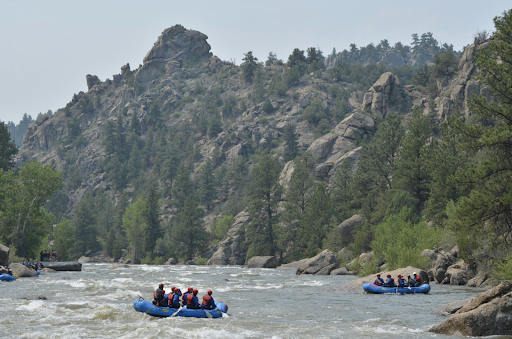
We recognize that many of our guests who choose not to stay in Buena Vista, stay in Summit County instead, and we totally understand the appeal! Summit County, including Breckenridge, Frisco, Dillon, Silverthorne, Copper Mountain, and Keystone, has some amazing mountains to explore, endless fun activities, and it’s only about 60 miles from Buena Vista. In fact, about 60% of Kodi’s whitewater rafting guests stay in Summit County. It’s pretty easy to get from Breckenridge to Buena Vista and depending on if you’d like to take the more scenic route or not, you have a couple of options of how you can get to BV.
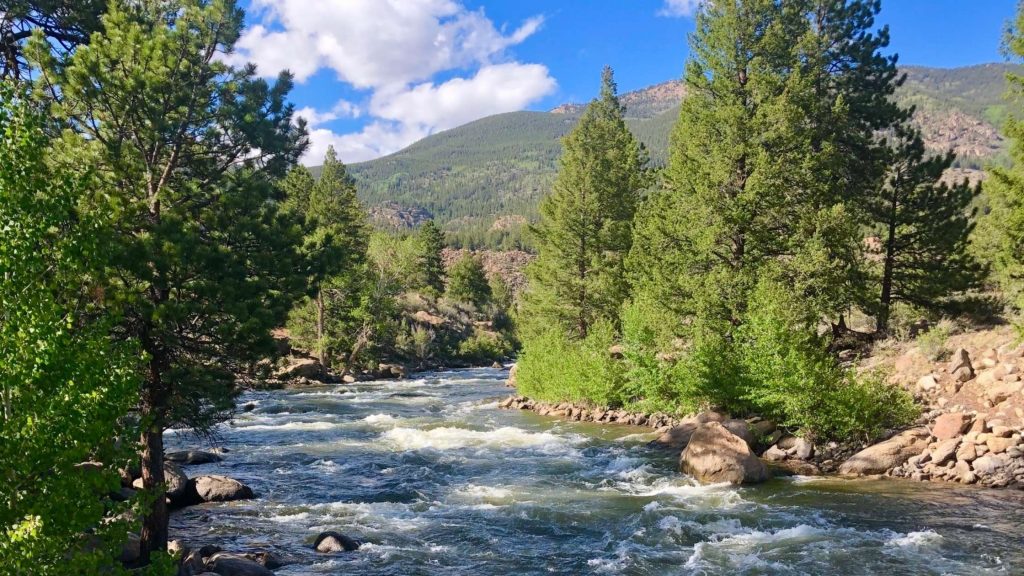
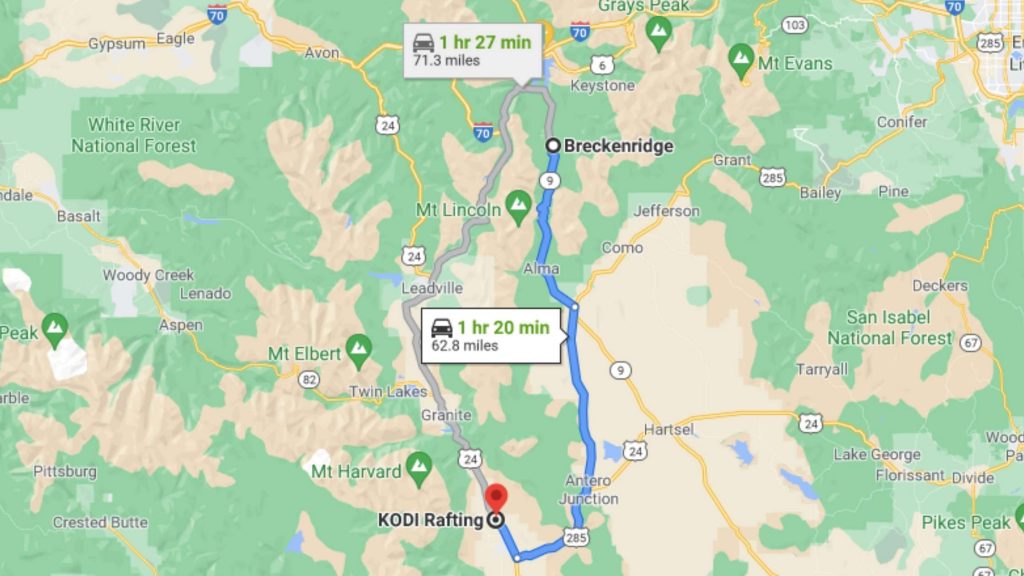
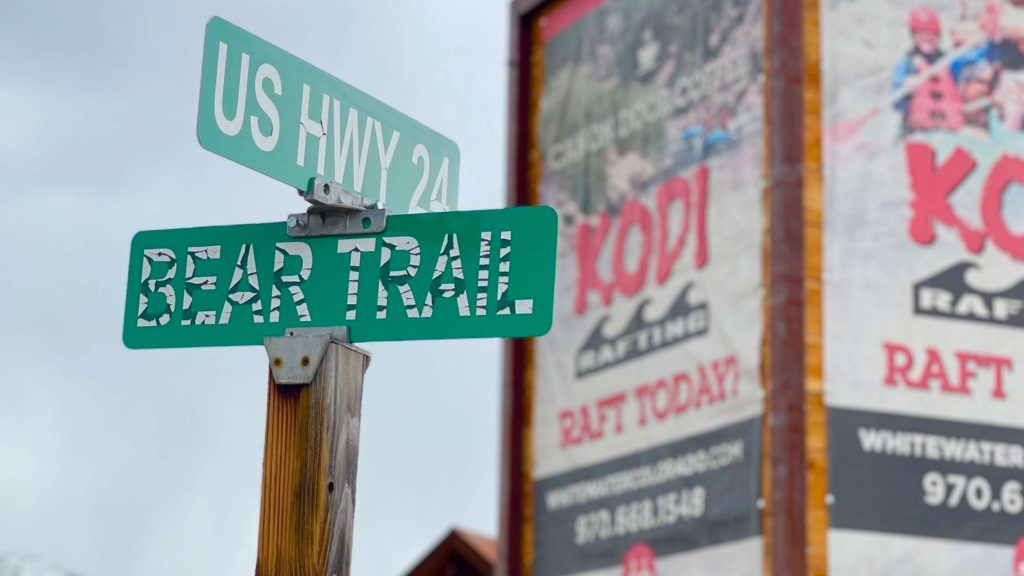
The more direct and quicker way is going to be taking highway 9 south to Fairplay from Summit County. Once you get to Fairplay, you’ll make a right turn onto US Hwy 285 South and stay on that road for about 34 miles. You’ll come upon some incredible views of the Collegiate Peaks which means you’re close to BV. You’ll reach a traffic light and then turn right heading towards Buena Vista on US-24 West. Drive through the darling town of BV and make note of all the delicious restaurants you’ll have to come back to after your rafting trip. BV has some of the tastiest locally-run restaurants you won’t want to miss! After about 5 miles you’ll make a left turn on Bear Trail into KODI Rafting’s parking lot and head into the front office to get signed in. This is the quickest way to get to BV from Summit County and is definitely a beautiful option as the road follows the Colorado River all the way to BV. There’s no doubt that you’ll see some beautiful sights on your drive!
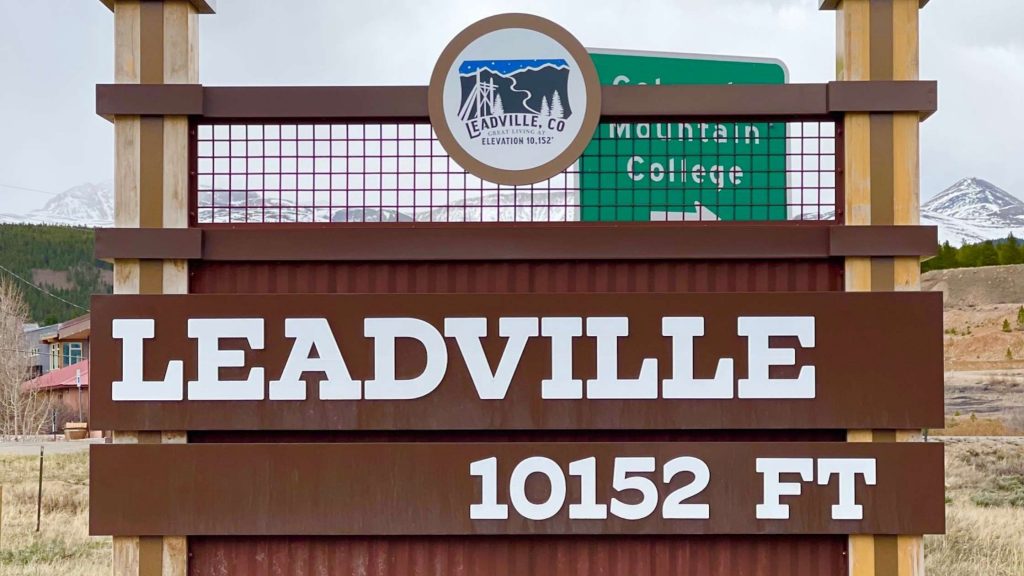
If you have some more time to explore and are looking for even more incredible views to enjoy, you can also try the ‘scenic byway’ or ‘back way’ which goes through Leadville, a quirky and fun historic town in Colorado.
For this route, head north on Highway 9 through Frisco. Hop on I-70 West towards Copper Mountain and get off at Copper’s exit 195. As you’re driving from Frisco to Copper, take a look on the left side and note how many avalanche paths you can spot. Once you get off Copper’s exit be sure to look for mile marker 21 near Copper Mountain- we had a massive avalanche occur here and the tree and boulder debris field is interesting to see. We think Copper Mountain should get its own shout-out since it’s such a cool little mountain town. In the summer, enjoy their summer activities such as bungee jumping, go-karts, an alpine coaster, water bumper boats, and more.
Continue on CO-91 South towards Leadville. Keep your eyes to the left side of the road and check out the beautiful Mayflower Gulch as you pass by. Stop and grab a picture or even mark it on your maps to come back to later! This is one of the most picturesque hikes around, so if you have a chance to come back and hike it we highly recommend it! Along your way, you’ll also pass lots of old log cabins, cool old ranches, the Arkansas River headwaters, dirt roads, ranch animals, and mountain passes. It’s about 30 miles of driving on this road until you reach Leadville. If you have time, get out of your car and explore this historic little mining town. So much mining history and a museum are in Leadville with its handful of cute shops, nice restaurants, and epic views of the Collegiate Peaks in the background. Once you pass through Leadville, hop on to US-24 East and stay on this road for about 32 beautiful miles. By the time you’ve gone that far, you’ve reached Bear Trail and your destination of KODI Rafting is on your right.
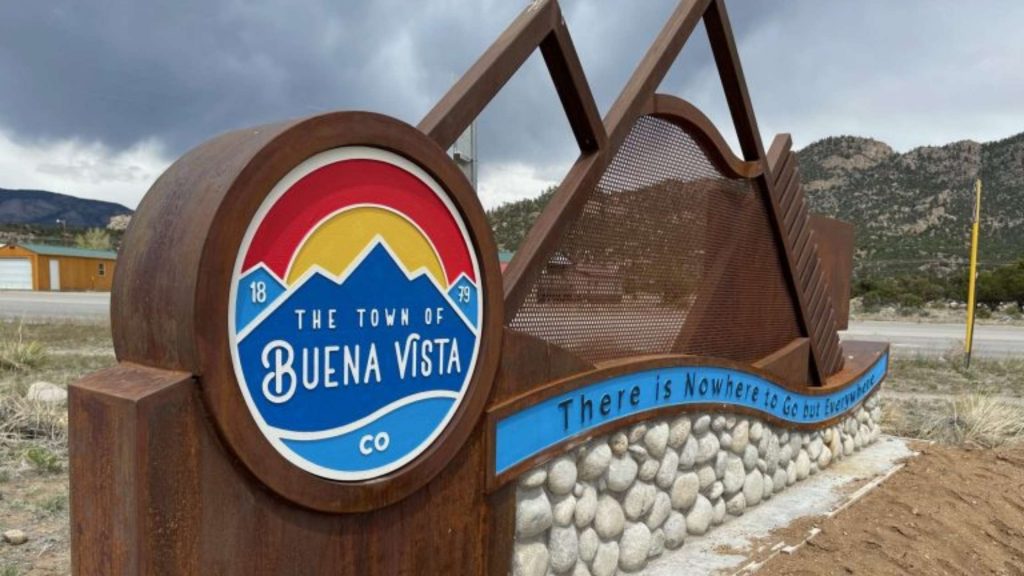
Whichever way you’re planning on reaching us, we hope you take some time to really enjoy the amazing sights along the way! Colorado is such a beautiful place to explore and we hope you see the drive to us as an adventure, no matter if you’re staying in Summit County or even if you’re already in Buena Vista. Choose your river trip here and contact us today for information and reservations here online or give us a call at 970-668-1548, so we can help plan the highlight of your vacation!
Winter Events in Breckenridge and Summit County
While we take our winter break from whitewater rafting and enjoying Buena Vista’s Arkansas River Valley, winter has arrived in the mountains as we gear up for a new ski season, holiday tree lighting, Santa races, and an epic winter wonderland!
Since so many of our annual traditions were a washout in 2020 due to pandemic-postponed events, we’re expecting winter festivities to be in high demand this year with our favorite events making their triumphant comeback. All the events listed will of course be adhering to public health and safety regulations required for Colorado, but that doesn’t mean we can’t still have a great time and celebrate!
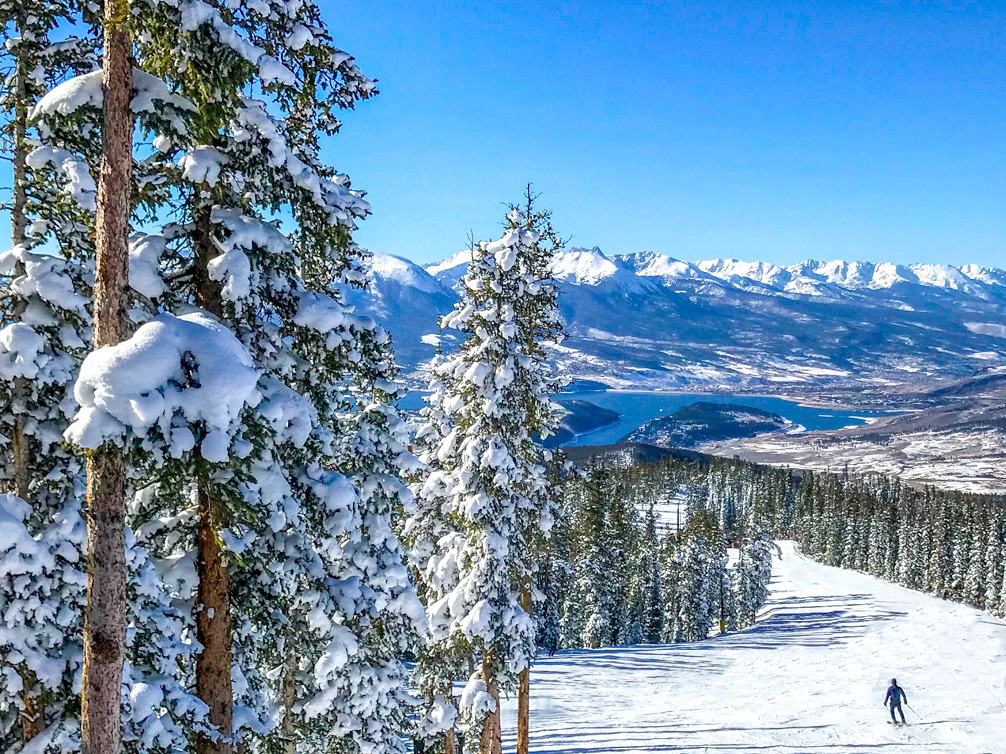
Ski season is upon us! Let’s face it – being in the mountains during winter is truly a special kind of lifestyle. We anxiously await ‘big dumps’ so we can pull out our skis and snowboards and get them waxed and tuned in anticipation of the resorts’ opening days. Although somewhat of a guesstimate of opening dates for a couple of these ski areas, we cannot wait to see our favorite resorts’ chairs turning. Here’s a breakdown of when we can expect to get the ski season started:
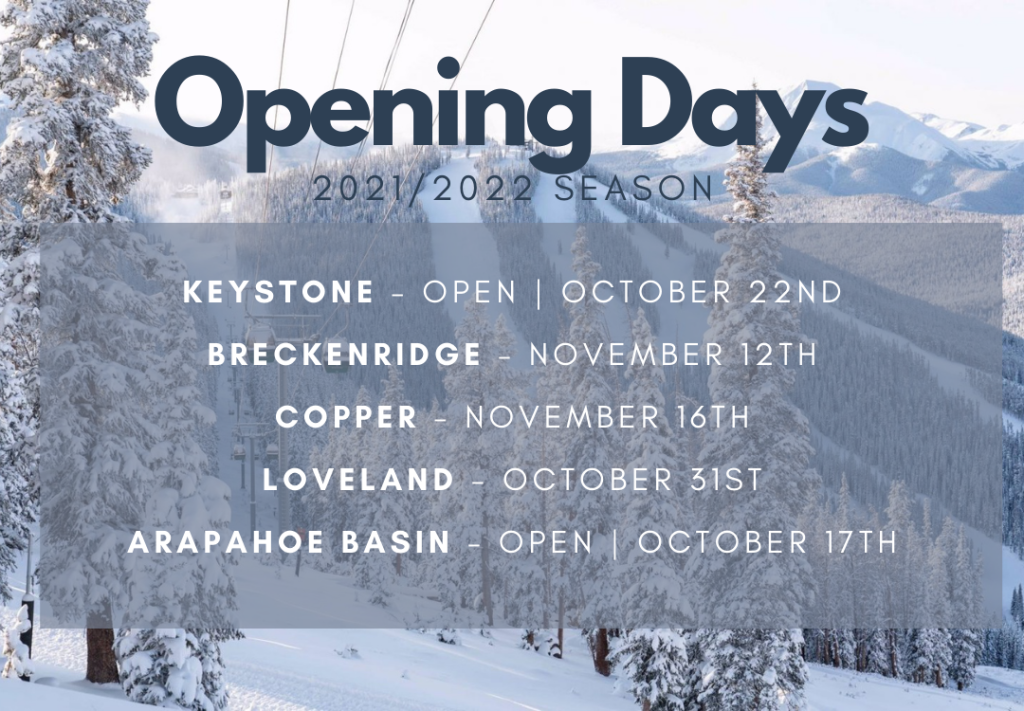
Keystone Ski Resort: opened October 22nd | Breckenridge Ski Resort: November 12th | Copper Mountain: November 16th | Loveland Ski Area: October 31st | Arapahoe Basin: opened October 17th
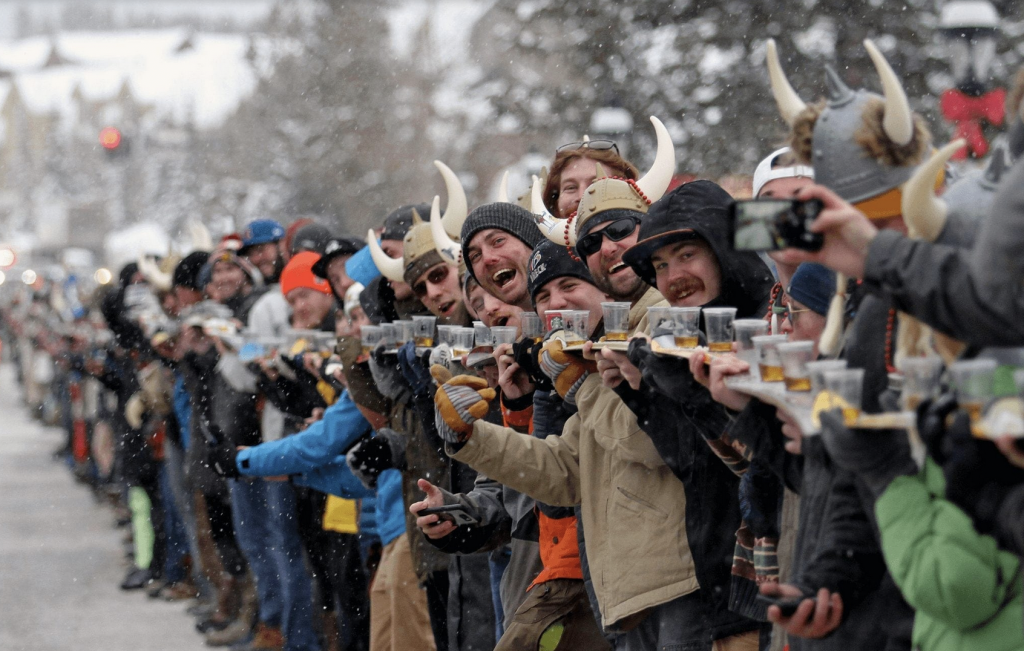
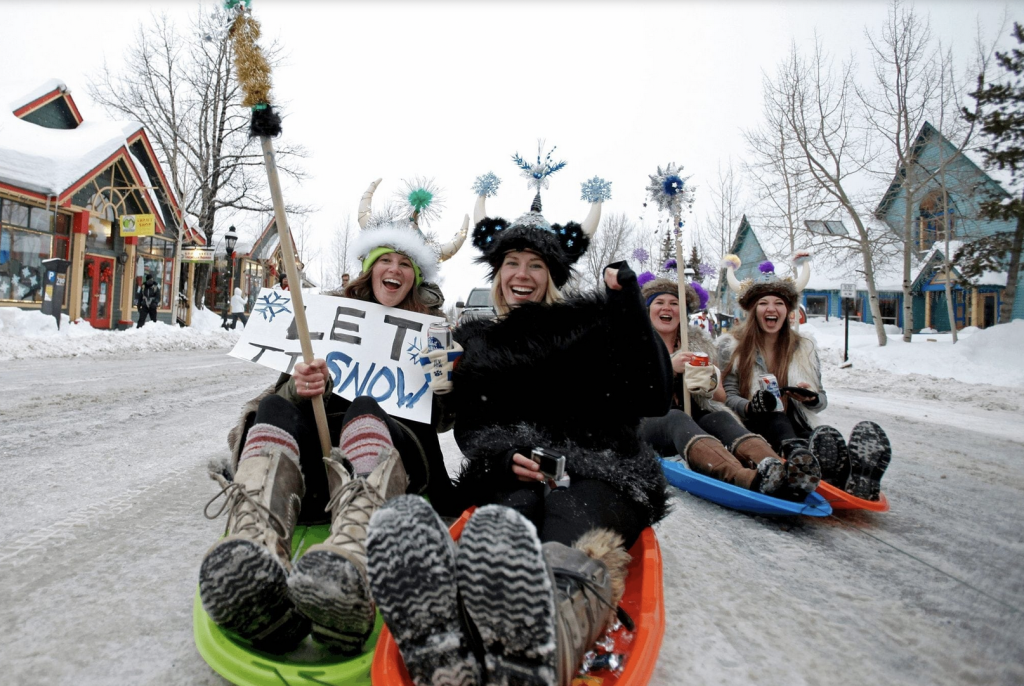
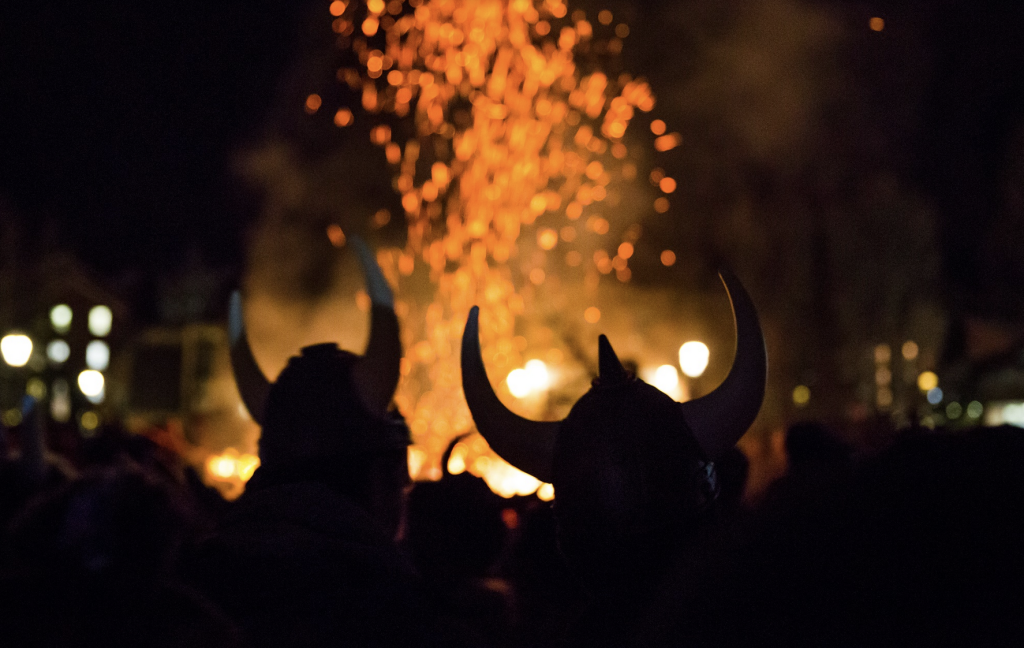
Ski season just wouldn’t be complete without an ode to Ullr. Who is that, you ask? Ullr is the Norwegian God of snow and Breckenridge visitors and locals gather to praise the Norse God of snow in hopes of a powder-filled ski season. Legend has it that if you party hard at Ullr Fest, we’ll be blessed with heaps of fresh snow. This unique festival includes a parade, world’s longest recorded Shotski, a massive fire fueled by dry, old Christmas trees and skis, as well as competitions and aerial tricks demonstrated by ski school instructors and local kids. Ullr Fest has always been about fun and partying…and Breckenridge surely knows how to hold a “killer party, dude.” Just ask any of the locals. This is a family-friendly event, (minus the Shotksi which requires a 21+ photo ID to participate). Grab your viking hat, join the local tradition, and enjoy the outdoor celebrations in high spirits for a snowy winter ahead. Ullr Fest will be happening December 8-December 12, 2021 in the Town of Breckenridge.
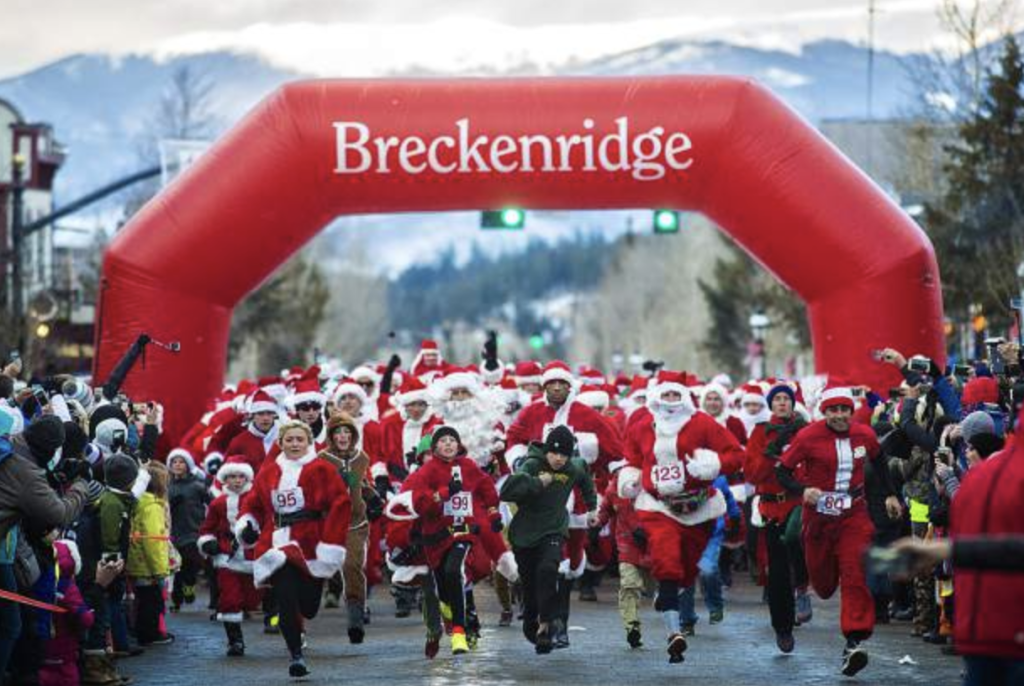
What better way to get in the spirit of the holiday season than putting on a Santa costume and running down the streets of Breckenridge with hundreds of other people dressed up in Santa costumes? That’s right- it’s the beloved Santa Race which takes place on Main Street in downtown Breckenridge on December 4th. During this special annual event, you can expect to see the lighting of 250,000 LED holiday lights that will continue to sparkle and spread joy all winter long. Coupled with the tree lighting and Santa Race, you can also enjoy the holiday Dog Parade. Stay tuned for updates as we approach this event in Breckenridge at https://gobreck.com/event/lighting-breckenridge-race-santas and sign up in advance and get your race number.

Mark your calendars for this year’s annual winter Dew Tour held at Copper Mountain. December 16-19 Dew Tour will serve as a U.S. Ski and Snowboard Olympic qualifying event for men’s and women’s halfpipe and slopestyle snowboarding and freeskiing competitions. Spectators are encouraged to watch the event unfold from the sidelines as the world’s best men and women snowboarders and freeskiers compete for spots to represent the United States at the Olympic Winter Games in Beijing, China, February 4-22, 2022. Dew Tour is a fun event to see some seriously talented athletes do their thing right in our backyard. You don’t want to miss this!
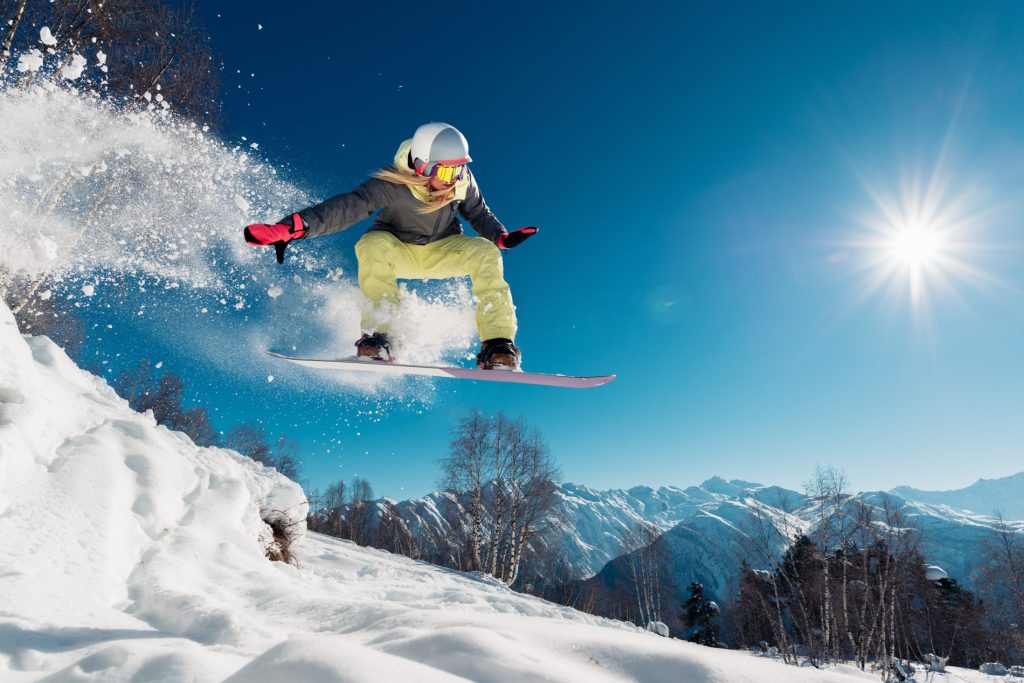
If one thing is for sure, the stoke for the 2021/2022 winter season is already high. Of course summer in Summit County is amazing, but there is nothing quite like enjoying the mountains with a fresh layer of snow. With all of these fun community events coming up for the 2021 winter season, Summit County is where you want to be. From world-class ski resorts in your backyard, to dancing under the stars for Ullr, and bringing some Christmas cheer by wearing a Santa suit while running down the streets of Breckenridge, winter in the mountains is sure to be a blast.
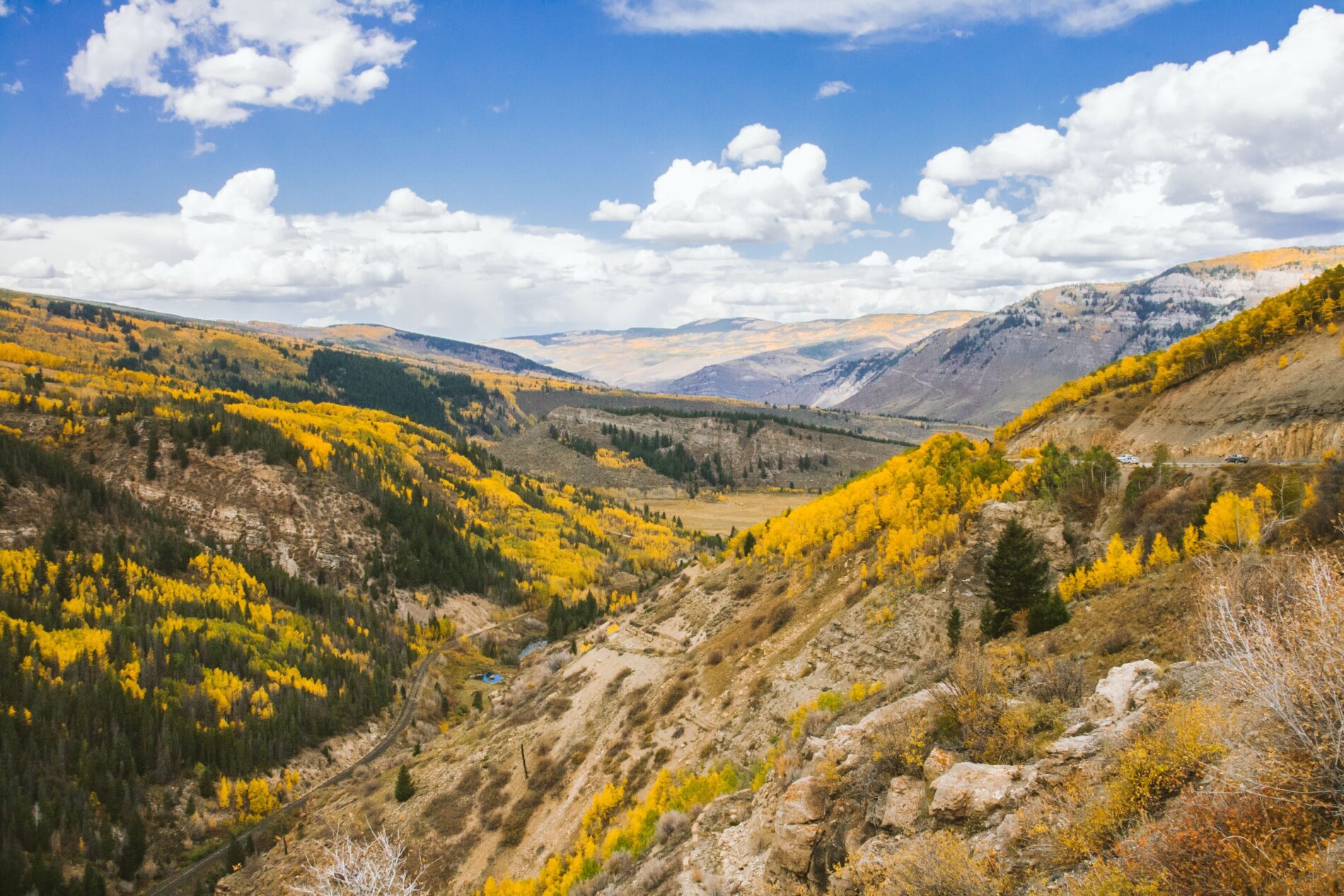
The 5 Best Spots to see the Golden Aspens in the Colorado Rockies
When the weather cools off in the Rocky Mountains, a certain kind of magic steps in. The aspen trees display vibrant yellows, golds, and reds on their leaves creating incredible scenery and views that are swoon-worthy. Meanwhile, the summer crowds empty out, leaving behind a charming, slower-paced feeling in mountain towns from Breckenridge, to Frisco, and Buena Vista. Take your pick of scenic drives where you can make a pit stop to see a historic ghost town, pull over at a hiking trailhead, or take a soak in a hot spring near Kremmling. Whether you are looking for incredible views, hiking trails, or ride a horse, these are the best places to get a glimpse of the annual aspen spectacle in Colorado’s Rocky Mountains. Be sure and bring your camera or smartphone to get some great photos that might be perfect for your holiday cards.
1. Cottonwood Pass
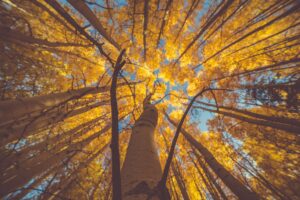 Take the scenic pass along the Continental Divide to see the stunning fall scenery! Reaching an altitude of 12,126 feet, this pass is the highest in altitude on the Continental Divide and offers incredible 360-degree views. This route passes through both Almont, a quintessential mountain town, and Buena Vista, which is a hub for whitewater rafting since the Arkansas River flows right through town. Or, find hiking trails, camping areas, mountain biking rides, and relaxation in the Mount Princeton and Cottonwood hot springs along the way of this scenic pass!
2. Collegiate Peaks Wilderness
Take in the views of the changing leaves from the summit of one of the eight fourteeners (There are 52 peaks exceeding 14,00 feet within the state) that can be found in the Collegiate Peaks Wilderness. Filled with mountains named after some of the country’s most prestigious universities, this is the perfect place to enjoy the changing seasons while exploring a hiking trail and maybe even knocking a fourteener off your Colorado bucket list! After you reach the summit and make it back to your campground, grab a celebratory pint at a local brewery in Buena Vista, which sits less than 30 miles away from this hiking haven!
3. Independence Pass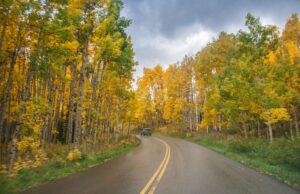
Boasting 32 miles of stunning scenery, Independence Pass is one of the best drives for getting a glimpse of the breathtaking fall foliage and Roaring Fork River. Sitting just outside of Aspen and a short drive from Buena Vista, this pass can be accessed near top destinations for leisure and outdoor adventure in the Centennial State. For a challenge, you can pedal your bike to the top of the pass that reaches an altitude of 12,095 feet and coast all the way down. Or, find more fall-spirited fun at the Independence Ghost Town where you can take a self-guided tour of the 1800's gold mining town that still features the remnants of stables, a general store, and a cabin.
4. Boreas Pass
Starting in the historic railroad town of Como, this 22-mile scenic drive winds you through the Rockies and down into Summit County. Along the hour-long drive, you reach a summit of 11,481 feet and enjoy views of the aspen trees that can be found along the sides of the road. Pull over, lace up your hiking boots to set your course along the Baker’s Tank Trail, or the Aspen Alley Trails to see the fall splendor on foot. When you reach the end of your scenic excursion, you won’t want to miss exploring the dining and shopping hotspots of popular tourist towns like Breckenridge and Frisco. Stroll down Main Street in either of these charming mountain towns to browse quaint local shops, breweries, and delicious eateries!
5. Colorado River Headwaters Scenic Byway
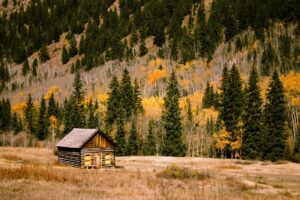
Follow this breathtaking drive along the Colorado River! This route will also lead you past Grand Lake, Shadow Mountain Reservoir, and Lake Granby, offering plenty of opportunities for fishing and getting out on the water along the way. For a day of relaxation, make a pit stop to soak and enjoy the natural hot springs outside of Kremmling that can be found on the banks of the Colorado River or indulge at the Hot Sulphur Springs Resort & Spa.
No matter if your ideal fall activity involves a scenic drive, a hiking expedition, or a ride through the forest on horseback, getting into Colorado’s Rockies to see the changing leaves is a memory worth making! Once the leaves begin to change, the aspens only hold onto this magic for a couple of weeks, so pick your route and hit the road to get a glimpse of this Rocky Mountain spectacle!
The Perfect Summer Weekend Exploring Frisco and Breckenridge
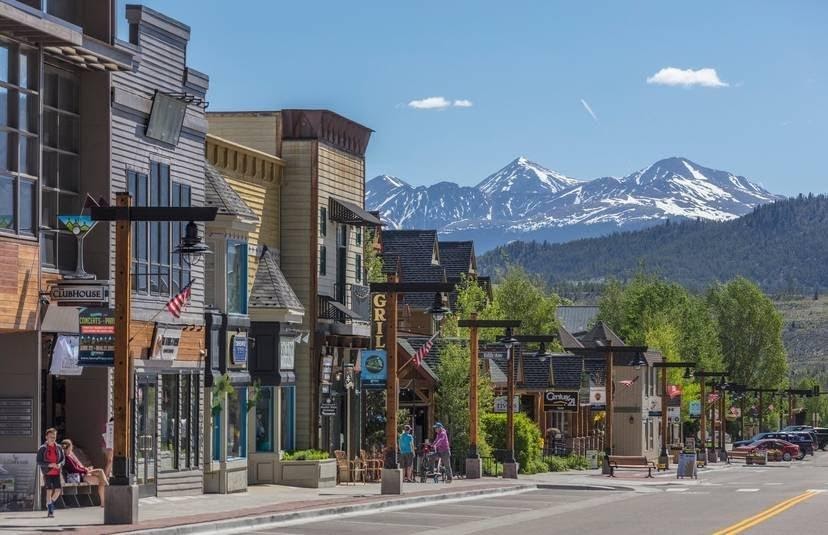
Summertime in the high country is full of adventure. From paddle boarding and kayaking on Dillon Reservoir, to hiking to one of Breckenridge’s breathtaking alpine lakes, to enjoying the quaintness of their historic mountain-town charm, summer in Summit County is unbeatable! And of course getting on the river for some whitewater rafting is always a must. Elevated at 9,097 feet, the town of Frisco offers constant adrenaline-pumping adventures among the wildflowers and scenic twists and turns of the captivating mountains. When visiting the area, Frisco and Breckenridge are definitely towns you won’t want to skip.
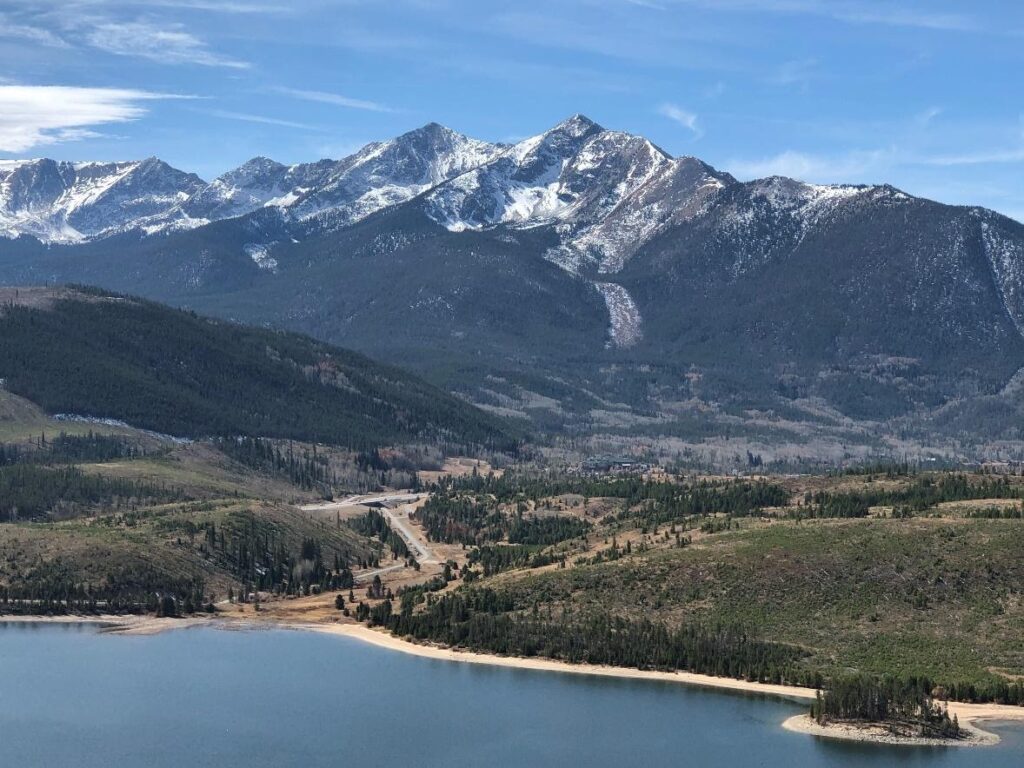
Frisco
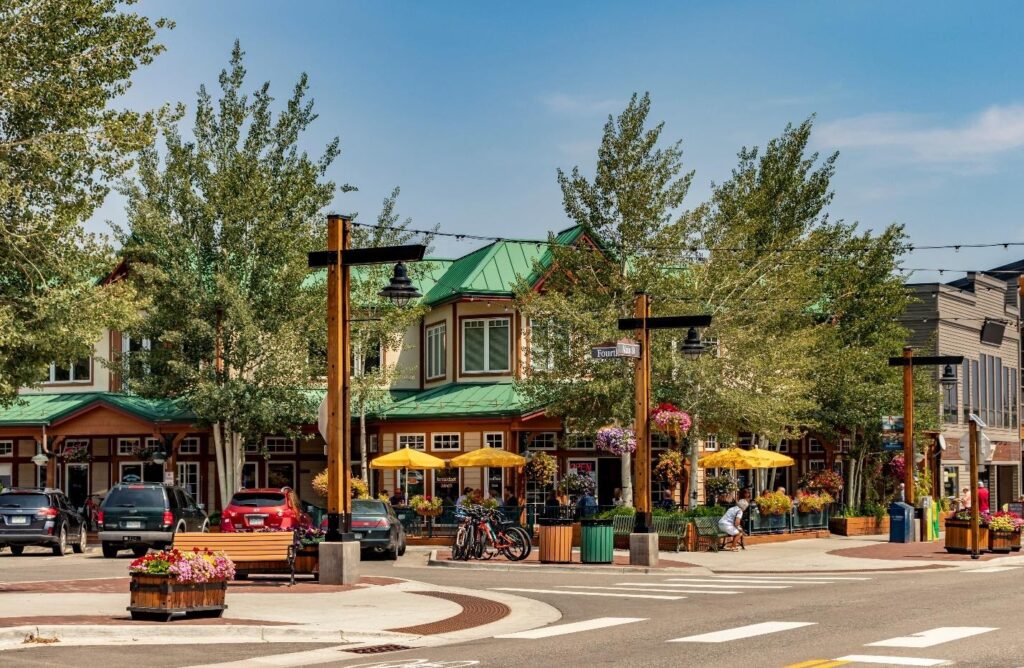
The natural location of Frisco connects a mineral-rich canyon with a rolling river valley, and boasts towering peaks in every direction. Once a mining town and railroad stop, Frisco is nestled between Mount Royal and Dillon Reservoir with an incredibly charming Main Street, set in the 1800’s. Nestled between a few ski resorts and 14’ers, Frisco offers breathtaking mountain views, outdoor adventures, and quaint shops and restaurants to help you refuel for the next adventure. If you’re looking to immerse yourself in true local Colorado mountain town culture, Frisco is the perfect weekend getaway!

There’s lots to see and do in Frisco, so we’ve come up with a few ideas for the perfect mountain weekend. Start your first day in the mountains off right at The Butterhorn Bakery for delicious breakfast favorites, freshly-baked pastries, and lunch from 7:30 am until 2:30 pm with tent, patio, and indoor dining options.’
With some good food in your belly, be sure to get your whitewater rafting boat time booked at online here https://whitewatercolorado.com/book-now/ or give us a call at 877-747-RAFT.
Lace up your hiking boots and head up to Rainbow lake for a casual ~2 mile hike to take in the views and wildflowers along the way. For lunch and an award-winning brew, drop by Outer Range Brewing Co for top-notch IPA’s and tasty Thai Fried Chicken. If you’re a craft beer lover, Outer Range is a must! Head back to Frisco Main Street and stroll the shops – some of our favorite locally owned gems are Next Page, a bookstore with great Colorado books, gifts, and guide books, Foote’s Rest Sweet Shoppe which often has live music outside during the day for you to enjoy with some hand-churned ice cream, and Funky Trunk Boutique for resale clothes and accessories. Enjoy dinner at Grecco’s Pasteria and order a pizza with their unlimited topping choices or opt for the chicken parmesan – you won’t regret it! Retire for the night at the top-rated, family-owned Frisco Lodge which has been around since 1885. This bed and breakfast is located right on Main Street and has a hot tub and outdoor fireplace to end the day with some relaxation. Best of all, during summer 2020 Main Street just outside the door is closed to vehicle traffic, making the Frisco Pedestrian Promenade a perfect backdrop for people watching at a distance.
As every good morning starts with coffee, head to Bread + Salt bistro and grab a cup of local- brewed joe and unique Colorado-grown breakfast options. When you look at their menu but can’t decide what to order because the entire menu looks so good, you know you’re in the right spot! After fueling up, walk towards the east end of town, and you will run into the Frisco Marina. Rent a paddle board or kayak to explore the islands and coves of Dillon Reservoir for the day.
Looking to stay on land but still want to experience the lake? Try renting a bike to ride the 18 mile loop around the lake, although even riding just a part of the loop is worth it! Hard to believe, but there is actually an entire town under the reservoir that used to be home to 800 people back in the day. Denver Water needed to create a new dam which put ‘Old Dillon’ 250 feet under water. After a long day, you’re probably looking for a place to grab some yummy appetizers and maybe even a drink. Try the Island Grill located right at the marina – they have awesome food and great views of the reservoir. For a night cap, enjoy sunset at Sapphire Point for incredible mountain views.

Frisco’s quaint charm is rooted in its location nestled in the mountains. Frisco is located at the north end of the Ten Mile Mountain Range which connects Frisco to Breckenridge. When looking at Frisco, the first mountain on the left is Mount Royal, the next peak is Mount Victoria, and then shoots up to Peak One of the Ten Mile Range. Continuing south, you can see the rest of the peaks in the Ten Mile Range, ending with Quandary Peak, the southernmost and highest point in the Range at 14,271 feet. The end of this mountain range puts you in Breckenridge.
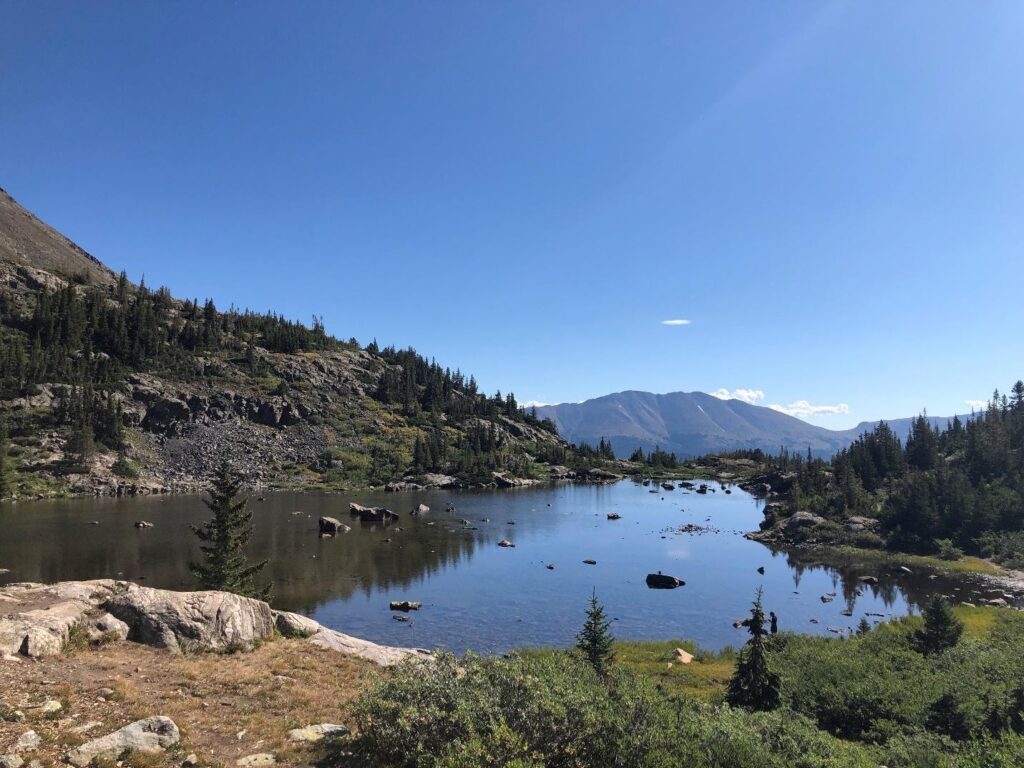
Breckenridge
Breckenridge is home to the largest historic district in Colorado as its rich and colorful history is full of gold finds and mining exploration and adventures, brothels, saloons, booms, and busts. The town’s Gold Rush brought droves of settlers seeking their fortunes after a 13.5 pound gold nugget was discovered near Breckenridge in the 1800’s. Today, the town’s historic charm remains – in the backcountry you can find old mining tools and structures from back in the day. We recommend you download the AllTrails app which helps you to choose the perfect hiking trails for your interest and ability level. There are lots of trails to choose from in Breckenridge, so the app helps narrow down the best trail for you and your group. Grab some lunch on the patio at Kenosha or The Canteen after your hike – both have great sandwiches, salads, and yummy cocktails. The Breckenridge Distillery is a great place to spend the afternoon and experience their tasting room. The distillery has award-winning bourbon and other spirits, and outstanding food plus cool gifts to choose for friends and family back home! For lodging in Breckenridge, check out Gravity Haus, a new globally-conscious, modern hotel located in the heart of town. Wherever your adventure takes you when visiting Summit County, you’ll get a great feel of the local culture in the mountains.
Summit County adventure, weather, experiences, and views are truly magical. We’d love to see you stop by the KODI Rafting Summit County location in Breckenridge when you come into town. Our Blue River and Ten Mile Creek trips meet at our Frisco location most seasons. We hope you enjoy your time in beautiful Summit County and immerse yourself in true Colorado mountain culture!
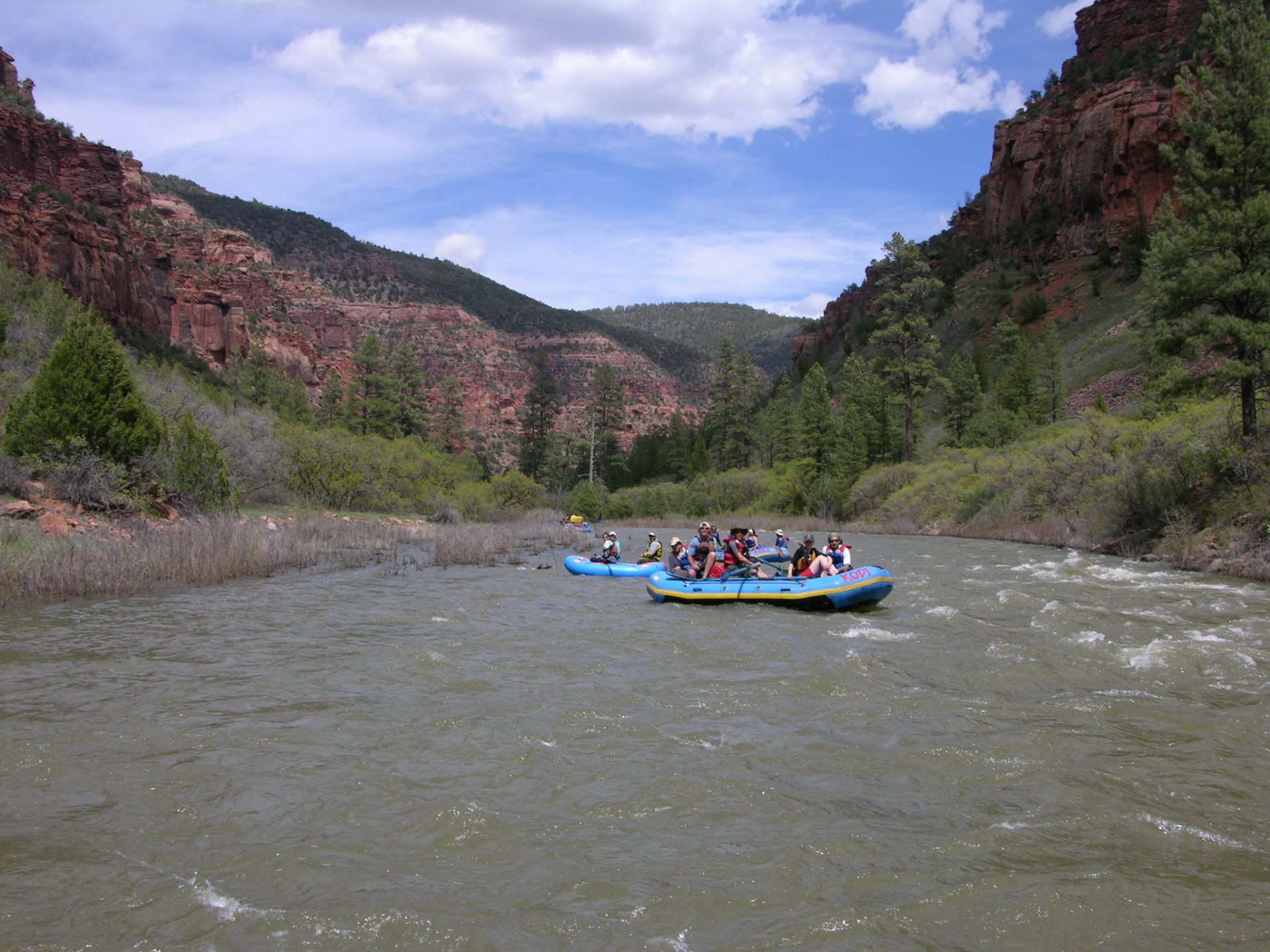
Classifications of Rapids for Whitewater Rafting in Colorado
Our whitewater rafting guests often ask us questions about river water depth, the kind of rapids they’ll be rafting through, and what the whole class system means as they prepare for their first or even 50th rafting adventure with us. So we thought we’d bring some clarity to the question and give you an overview of rapids classifications for whitewater river rafting … and provide some expertise on the topic.
Factors in Rapids Classifications
Rapids and the classifications of whitewater vary due to different circumstances: water levels can be high or low depending on the amount of snowmelt and vary as weather conditions change. Our beautiful snowcapped Rocky Mountain peaks melt and flow into Colorado streams, rivers, and reservoirs starting in earnest in May, which is the start of the spring runoff. The start of rafting season usually kicks off in the middle of May as the weather warms up, and tends to max out the highest water flow throughout Colorado depending on altitude and distance from the deepest snow pack. In general, spring snowmelt brings higher water and higher levels of difficulty while running our rivers primarily because the water runs fast and furious, forcing quick decisions as river features change. Water levels fluctuate dramatically throughout the summer and our guides can even see differing conditions between a morning run and an afternoon trip when water levels are in a high state of flux.
What are Rapids Classifications?
Rapids themselves are graded on a class system starting at 1 and progressing to 6. The higher up the scale they go, the more difficult and the more consequential the stretch of water will be. As an example, there are many variables that can change, either upgrading or downgrading the classification of a rapid. Rapid variables include water levels, objects, under
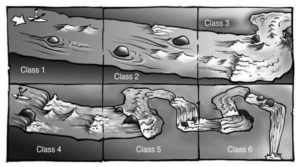
cut rocks, and strainers (like a log jam). Certain features within a river naturally are more difficult and make it more challenging to navigate. For example, Brown’s Canyon is less difficult to navigate than the Numbers section of the Arkansas River. This is why it’s so great to have an experienced raft guide to help you experience Colorado’s most beautiful areas safely. This, as well as having a great day of fun on the water, is what you experience when rafting with Kodi Rafting. Let’s explore the difference between each classification of whitewater in even more detail than is outlined on our website’s rapids classification page.
Class I is flat, easy moving current. Minimal moves, minimal difficulty. The most difficulty you experience on this level of river is navigating around bends and avoiding shallows, perhaps pulling into eddies. Think of this as a leisurely float down a river. Class I is about staying with the current and literally going with the flow.
Class II is moving current with slightly more difficulty and has specific moves that your raft guide needs to make in order to navigate the river efficiently. The difference between class I and II is the necessity to maneuver around objects or shallow sections. Class II is a moderate river trip and great for families. A bit more adventure and splashing without high anxiety. Join Kodi for class II trips on the Upper Colorado, Blue River, or Clear Creek for 1/2 day or full day trips.
Class III is a moderately difficult section of river, with slightly higher consequences, and with more difficult moves to be made by your raft guide. There is typically faster moving current than class I and class II, and there can be objects and things to avoid along your path. Some of these potential objects could impede your raft, or even flip you over if not navigated  around properly. Class II, & III trips are your typical family trips with somewhat older or more adventurous family members. If you’d like to experience a higher level of family excitement, book our Arkansas 1/2 day or full day trip with Kodi at our Buena Vista location, or the Clear Creek Canyon trip departing from Idaho Springs to enjoy class III rapids.
Class IV is a difficult stretch of river. A class IV section has fun, fast and technical rapids. Standing waves, big rocks, turbulent water, and difficult features are all things you will find on Class IV river runs. These rapids are active: multiple objects, multiple variables and multiple moves involved in order to navigate safely. The Numbers of the Arkansas River, and Clear Creek are examples of exciting options Kodi offers to raft this kind of trip, for a high level of 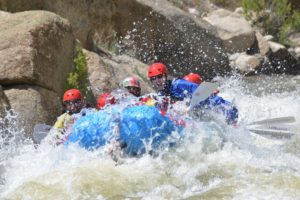 excitement and challenge.
Class V is for experts only. This is the most challenging level for a commercially rafted trip. Class V includes lots of maneuvering, with fast consequential moves. Teamwork, communication, coordination, and strong paddling are needed to safely navigate Class V sections of whitewater. These rapids can have large drops, violent currents, and extremely steep gradients – and loads of excitement!
Class VI is extraordinarily difficult or non-runnable sections of river. Rafters face extreme imminent danger. Think cliff drops, big rocks, and scary aspects of challenge. Class VI level rapids are never run commercially, and are often walked around by rafters to avoid them.
So whatever level of challenge, splashes, and excitement you desire, Kodi Rafting can deliver. From calm float trips to expert runs to go big, give us a call to book the rafting adventure that suits your family, group, or yourself!
Call to book your whitewater adventure with us today at 877-747-RAFT or book online here. See you on the river!
A River Rafting Road Trip
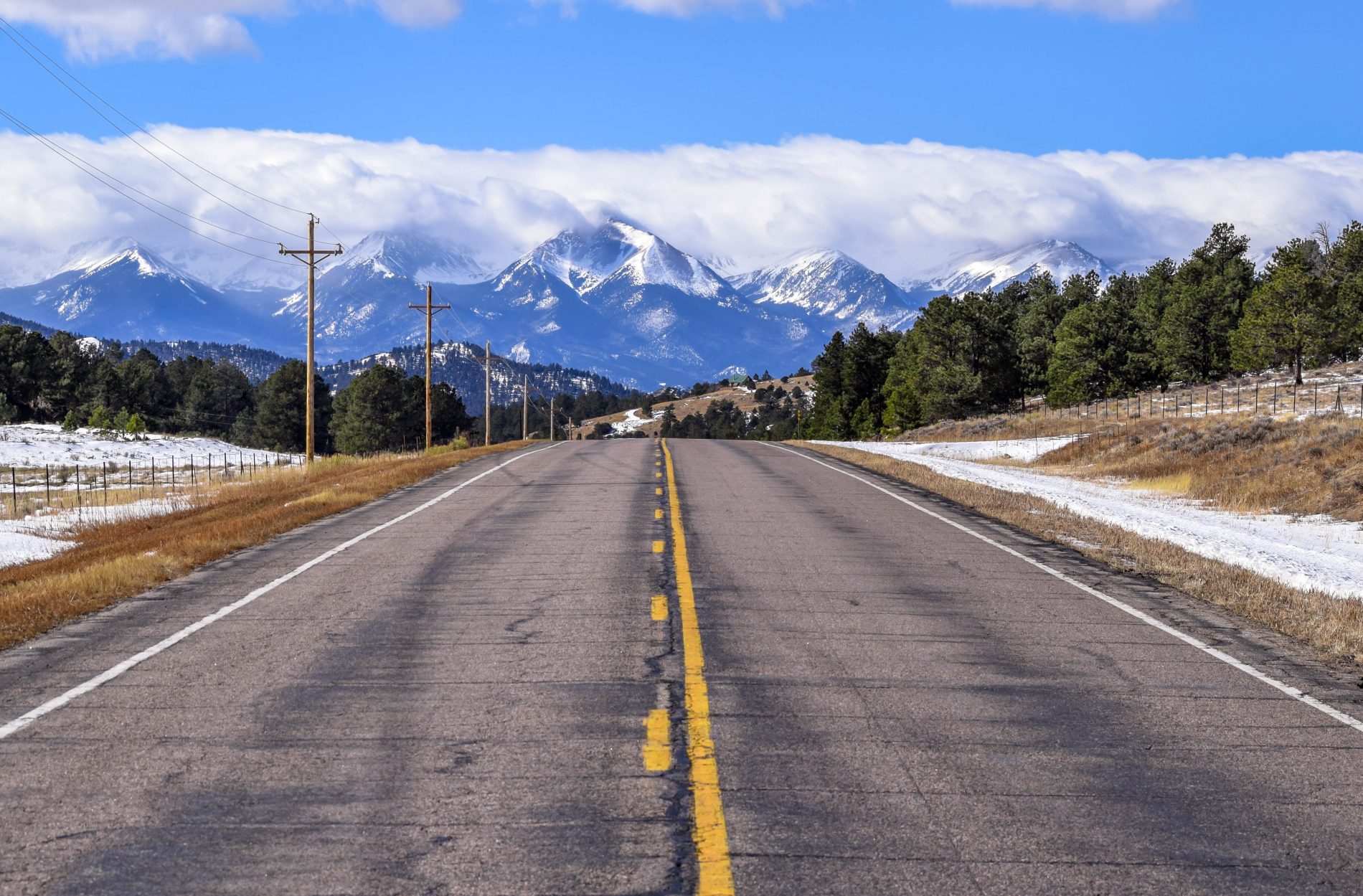
Want to create the ultimate rafting experience? How about a rafting road trip? Hit multiple rivers, all offering unique rafting experiences in the following rafting loop.
It all starts in Denver, where you’ll head 30 miles west on I-70 and stop in the historic mining town of Idaho Springs.
Idaho Springs
In Idaho Springs, you'll raft Clear Creek either on a beginner, intermediate, or advanced raft trip. You’ll hit any range of rapids from class II to class IV. You’ll flow through a rugged, spectacular mountain canyon filled with granite boulders and towering pine trees and finish up with a float through historic Idaho Springs.
From Idaho Springs, continue heading west for 40 miles on I-70 until you hit Frisco, your next rafting stop.
Frisco
Frisco offers some very special rafting trips, including the Blue River Half Day Raft Trip and the Ten Mile Creek Half Day Raft trip. Each offers excellent white water, although Blue River is an early season run as it's dependent on snowpack.
From Frisco, head into the Arkansas River Valley and hit up Buena Vista. A beautiful 60 miles south of Frisco, Buena Vista offers some of the country’s best whitewater.
Buena Vista
From Buena Vista, there are several awesome raft trips to choose from, including KODI’s most popular raft trips through Browns Canyon National Monument. By this time, you might be ready to truly test your skills. If this is the case, you might want to consider KODI’s Numbers Raft Trips. These trips take you down the Numbers, a series of rapids so intense, they were numbered instead of named.
Now that your road trip is done, you can make the easy and scenic drive back to Denver along Hwy 285. However, if you’re not ready to call it quits there’s always KODI’s Kremmling office, where you can jump on the Upper Colorado River for a scenic float and gorgeous views.
Summit County Raft Trips
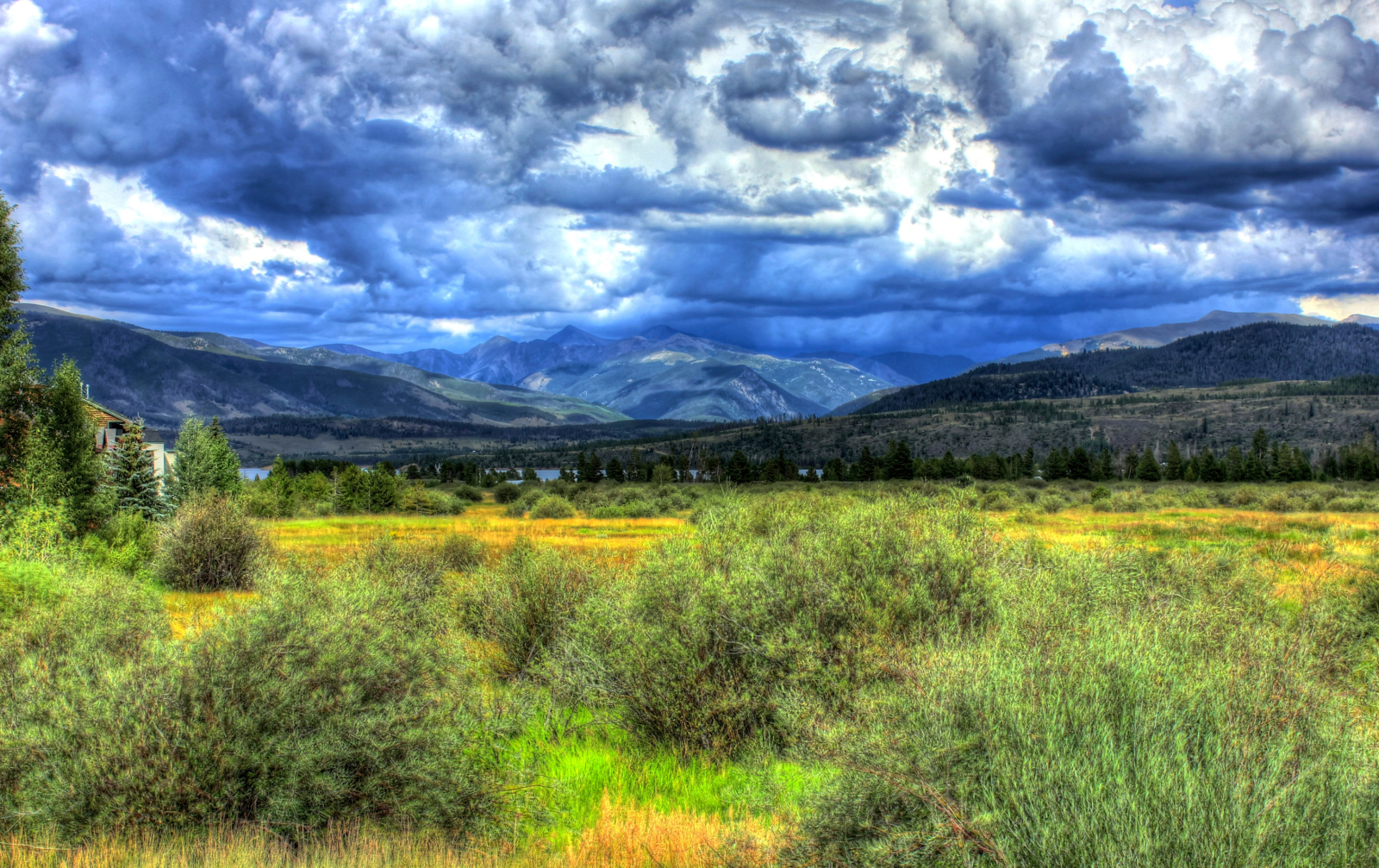
Summit County is aptly named “Colorado’s Playground.” Just one-and-a-half hours west of Denver, this outdoor paradise is home to several ski resorts, abundant hiking trails, Lake Dillon, and rivers galore.
Colorado is one of only two “headwater” states in the U.S. This means all of Colorado’s rivers flow out of the state while none flow in (the other headwater state is Hawaii). Summit County towns Breckenridge, Frisco, and Silverthorne sit at the start of many of these rivers, making them an excellent choice for whitewater rafting.
Whether you're in Keystone or Breckenridge, whitewater rafting should be on your list of things to do. The rafting in the area is famous for its scenery as well as its whitewater rapids. Summit County rivers offer something for people of ages and skill levels, so come prepared to have a great ride!
Book a Summit County rafting trip with KODI. Our Summit County trips include:
Blue River Half Day Raft Trip
The Blue River raft trip is what we like to call a “quick hitter” because it gives you an awesome Colorado rafting experience in just one and a half hours of river time.
Level: Fun for Everyone (ages 7+) | LEARN MORE
Ten Mile Creek Half Day Raft Trip
Ten Mile Creek is the newest, commercially run stretch of river in Colorado, and KODI Rafting is the only rafting company offering the trip! This Summit County rafting trip is an intense four-mile, class IV run dropping 110 feet per mile in the upper stretch.
Level: Extreme Adventure (ages 16+) | LEARN MORE
Stand Up Paddleboard Full Day Adventure
Try the newest, most fun activity on the river with KODI’s Stand Up Paddleboard Adventure. Start with an hour to 90 minutes of flat water stand up paddleboard training. You’ll then go down a mellow stretch of the Upper Colorado River, where stunning Gore Canyon sets the perfect Colorado backdrop.
Age Requirement: 12 years and older | LEARN MORE
Stand Up Paddleboard Rentals
Want to head out on your own stand up paddleboard adventure but don't have the gear? KODI’s got you covered. Rent a paddleboard from our Frisco outpost for 4 hours, 8 hours, or 24 hours.
Age Requirement: 12 years and older | LEARN MORE
Group Stand Up Paddleboard Rental – The Beast
Regular-sized stand up paddleboards are fine and all if you're looking to do some solo paddling. But, what if you'd like to enjoy the company of a small crowd right next to you on your board? Well, lucky you! KODI Rafting rents the “Beast,” an 18-foot SUP that holds up to 10 people.
Age Requirement: 12 years and older | LEARN MORE