
Stand-Up Paddleboarding in Colorado: Best Lakes & Reservoirs for Summer SUP Adventures
Introduction
Colorado may be known for mountains and rivers, but it's also one of the best places in the country for stand-up paddleboarding. From calm Front Range reservoirs to scenic alpine lakes, paddlers can find everything from beginner-friendly flatwater to high-elevation adventures.
Whether you are a beginner looking for a calm reservoir close to Denver or an experienced paddler ready to explore alpine lakes above 8,000 feet, Colorado has the water and the backdrop to match. Here's where to go, what to expect, and everything you need before you launch this summer.
What Makes Colorado Great for Paddleboarding?
Most landlocked states struggle with SUP options. Colorado is the exception.
- 2,000+ lakes and reservoirs ranging from calm urban flatwater to remote high-altitude lakes
- Stunning mountain backdrop views that most coastal paddlers can't access
- No SUP registration required, non-motorized paddleboards don't need to be registered in Colorado; just pay the applicable state park entrance fee and carry a Coast Guard-approved PFD per person
- Morning calm windows, Colorado's high altitude creates predictable afternoon wind patterns; mornings are almost universally smooth and glassy
- Rental availability outfitters like Rocky Mountain Paddleboard operate at multiple Front Range reservoirs from May through October
One critical rule most competitors skip: Boulder Reservoir requires a separate boat permit for all watercraft, including SUPs, in addition to the standard entry fee. Don't show up assuming your state park pass covers everything; check each location's specific rules before you go.
Best Places for Stand-Up Paddleboarding in Colorado This Summer
1. Chatfield Reservoir — Best All-Around SUP Spot Near Denver
Location: Littleton (south Denver), Chatfield State Park
Skill Level: Beginner to Intermediate
Entry Fee: Colorado State Parks pass or daily vehicle fee
Rentals: Available on-site from $40/hour (May 1 – September 30)
Best For: Day-trippers, families, first-timers
Chatfield is the most practical starting point for most visitors. The reservoir covers 1,450 acres of generally calm flatwater, surrounded by the wide-open skies of the Front Range. It's large enough to offer a meaningful paddling experience without the exposure risks of high-alpine lakes.
On-site rentals include the board, paddle, and life jacket, plus a brief intro to SUP technique. No experience required, and no gear hauling. That combination makes it the go-to for first-time paddlers visiting from out of state.
Insider tip: Arrive by 8–9 AM on weekends. The water is glassiest in the morning, parking fills quickly by mid-morning, and afternoon winds can make the surface choppy.
2. Boulder Reservoir — Best for SUP Yoga and Intermediate Paddlers
Location: North Boulder, Boulder County
Skill Level: Beginner to Intermediate
Entry Fee: $7/adult (summer season, Memorial Day to Labor Day) + separate boat permit required
Rentals: Available through local outfitters
Best For: SUP yoga practitioners, fitness paddlers, nature lovers
Boulder Reservoir is one of Colorado's most popular paddleboarding destinations, calm, accessible, and framed by views of the Flatirons. It's also one of the most well-regulated, which keeps the water clean and the experience quality high.
What competitors miss: Before visiting Boulder Reservoir, be aware that all paddleboards require a separate boat permit in addition to the standard entry fee. Contact Boulder Parks and Recreation before your visit to arrange it. Also note: the reservoir enforces strict aquatic invasive species rules; boards must be cleaned and dried for at least 10 days before bringing them from another body of water.
SUP yoga classes operate here regularly throughout the summer. If that's your thing, it's the best venue in the state.
3. Blue Mesa Reservoir — Best for Distance Paddling and Views
Location: Curecanti National Recreation Area, near Gunnison
Skill Level: Intermediate to Advanced
Entry Fee: National Recreation Area pass
Best For: Experienced paddlers, distance touring, canyon exploration
Blue Mesa is Colorado's largest body of water, a sprawling reservoir within the Curecanti National Recreation Area, roughly 20 miles of paddleable surface framed by dramatic canyon walls and blue sky. The Lake Fork arm past Sapinero offers a narrower canyon paddle that feels genuinely remote, winding upriver until you reach the natural inflow.
For paddlers who want mileage and scenery over convenience, Blue Mesa is the top pick in the state.
Weather note: Afternoon thunderstorms develop quickly at elevation. Always check the forecast and plan to be off the water by early afternoon on unstable days.
4. Grand Lake: Most Scenic Alpine Setting
Location: Grand Lake, near Rocky Mountain National Park
Skill Level: Intermediate (cold water awareness required)
Entry Fee: Town/park fees apply
Best For: Nature lovers, photographers, experienced paddlers
Grand Lake is Colorado's largest natural lake and sits at over 8,300 feet on the west side of Rocky Mountain National Park. The scenery is extraordinary: snowcapped peaks, dense pine forests, and the kind of reflection on the water that often encourages paddlers to pause and take in the scenery.
That elevation means cold water year-round, fast-changing weather, and higher physical demands than Front Range reservoirs. Build in extra acclimatization time if you're visiting from lower altitudes, and always paddle with a partner here.
5. Horsetooth Reservoir — Best for Fort Collins Visitors
Location: Fort Collins
Skill Level: Beginner to Intermediate
Entry Fee: Larimer County Parks daily fee
Best For: Fort Collins locals, beginner paddlers, camping combos
Horsetooth is seven miles long, set against red sandstone ridges, and easily accessible from Fort Collins. The calm water and consistent summer conditions make it ideal for beginners or families combining paddling with camping and hiking nearby.
Morning hours are reliably calm. Afternoons can bring wind off the ridgelines, especially along the western shore.
6. Union Reservoir (Longmont) — Best for Uncrowded Flatwater
Location: Near Longmont
Skill Level: Beginner
Entry Fee: Daily watercraft fee (in addition to park entry)
Rentals: Rocky Mountain Paddleboard operates on-site
Best For: Quieter experience, SUP yoga, meditative paddling
Union Reservoir is one of the most underrated SUP spots in Colorado. Less crowded than Chatfield or Boulder Reservoir, with calm water, Front Range views, and an active SUP yoga community. Rocky Mountain Paddleboard offers rentals and instruction here seasonally.
SUP Spot Comparison at a Glance
| Location | Skill Level | Rentals | Entry Fee | Best Feature |
| Chatfield Reservoir | Beginner–Intermediate | Yes, from $40/hr | State Parks pass | Convenient, calm, great for beginners |
| Boulder Reservoir | Beginner–Intermediate | Yes | $7 + boat permit | SUP yoga, clean flat water, Flatirons views |
| Blue Mesa Reservoir | Intermediate–Advanced | Limited | NRA pass | Colorado's largest water, canyon arms |
| Grand Lake | Intermediate | Limited | Town/park fees | Most scenic alpine setting in the state |
| Horsetooth Reservoir | Beginner–Intermediate | Yes | Larimer County fee | Fort Collins access, red rock scenery |
What You Need to Know Before You Paddle in Colorado
PFD requirement: Colorado law requires a Coast Guard-approved life jacket accessible on board for every person paddling. Children 12 and under must wear one at all times on the water.
No registration needed: Non-motorized SUPs don't require boat registration in Colorado. However, specific locations (like Boulder Reservoir) require separate boat permits — always check before arriving.
Aquatic invasive species (AIS): Colorado takes invasive species seriously. Clean your board thoroughly and allow at least 10 days to dry before launching it at a new body of water. Some reservoirs enforce this strictly.
Afternoon wind is real: Colorado's high altitude creates consistent afternoon thermal winds. The general rule: paddle in the morning, rest or hike in the afternoon. Most experienced Colorado paddlers are on the water by 7–9 AM.
Inflatable vs. hard board: For Front Range reservoirs and calm lakes, inflatable paddleboards perform comparably to hardboards and are far easier to transport and store. They're the practical choice for most Colorado summer paddlers.
Conclusion
Colorado rewards paddlers who show up prepared. The water is cold, the afternoon wind is reliable, and the altitude is real, but so is the scenery, and no coastal destination quite matches what you'll see from the middle of Blue Mesa Reservoir or Grand Lake on a clear summer morning.
Whether you're paddling across a calm reservoir or exploring a high-alpine lake, Colorado offers some of the most scenic paddleboarding destinations in the country. For visitors looking to experience Colorado's waterways from a different perspective, guided rafting and inflatable kayak trips can add another layer of adventure to your summer itinerary.
Frequently Asked Questions
Q: Do you need a license or permit to paddleboard in Colorado?
Non-motorized paddleboards do not require a boat license or registration in Colorado. You must pay applicable state or county park entry fees and carry a Coast Guard-approved PFD for each person. Some locations, particularly Boulder Reservoir, require an additional boat permit for all watercraft, including SUPs. Check each location's rules before you go.
Q: When is the best time of year to paddleboard in Colorado?
The season runs from May through October. June through August offers the warmest air temperatures and the widest rental availability. Morning hours — typically 7–10 AM — offer the calmest water conditions before afternoon winds develop. High-alpine lakes like Grand Lake are best visited in July and August when the weather is most stable.
Q: Can you paddleboard on Colorado rivers?
Yes, but it's a significant step up from lake paddling. The Colorado River has Class I sections suitable for experienced flatwater paddlers, but river-specific hazards (strainers, pin rocks, low-head dams, cold water) require proper preparation. Always use a quick-release leash and a Type III or V PFD on moving water, and consider going with a guide for your first river SUP experience.
Q: Where can I rent a paddleboard in Colorado?
Rentals are available at most major reservoirs. Rocky Mountain Paddleboard operates at Chatfield Reservoir, Aurora Reservoir, Union Reservoir, and other Front Range locations from May through October. Chatfield offers hourly rentals from $40, including board, paddle, and life jacket.
Q: Is stand-up paddleboarding hard for beginners?
Most beginners can stand and balance within 10–15 minutes in calm water. Starting on a wide, stable beginner board (32+ inches wide) on flat water makes the learning curve gentle. Calm reservoirs like Chatfield and Horsetooth are ideal learning environments. Starting on the knees and working up to standing is the standard approach most instructors recommend.
Q: Are inflatable paddleboards good enough for Colorado lakes?
Yes. For flat-water lakes and reservoirs, which cover the majority of Colorado SUP destinations, high-quality inflatable SUPs perform comparably to hardboards. Their portability is a significant advantage when transporting from urban areas. They're the practical choice for most visitors and are what most rental fleets use.
Q: Is paddleboarding easier than kayaking?
Kayaking usually feels easier at first because you're seated and more stable. However, most beginners can learn the basics of paddleboarding quickly, and many enjoy the greater freedom of movement and the views it provides.
Q: Can beginners learn paddleboarding in one day?
Yes. Most beginners can learn to stand, balance, and paddle comfortably within their first session, especially on calm water and with a stable beginner-friendly board.

Scenic Float Trips in Colorado: Best Relaxing River Adventures for Families with Young Kids & Seniors
Direct Answer: The best scenic float trips in Colorado for families with young children and seniors include the Arkansas River Scenic Float (ages 4+, Class I–II, near Canon City), the Upper Colorado River Float near Glenwood Springs (ages 3+, Class II), and the Bear Creek Family Float on the Arkansas near Buena Vista (ages 4+, 30 lbs minimum). These trips feature calm water, wildlife viewing, and guided safety; no experience needed.
Introduction
Not every Colorado river adventure needs big rapids and nonstop paddling. Some of the most memorable days on the water involve floating through scenic canyons, spotting wildlife along the shoreline, and sharing the experience with family and friends.
For young children, grandparents, and first-time visitors, scenic float trips offer a relaxing way to experience Colorado's rivers without the intensity of larger whitewater runs.
What Makes a Float Trip Different From Whitewater Rafting?
This is a question most competitors ignore, and it matters.
Float trips (also called scenic floats or family floats) typically run on Class I–II water. That means small riffles, gentle waves, and calm stretches are enough movement to feel like a real river experience, but nothing that requires paddling experience or physical strength.
Whitewater rafting involves Class III and above real rapids, bigger waves, and trips that require a minimum age of 12–14+, depending on the run.
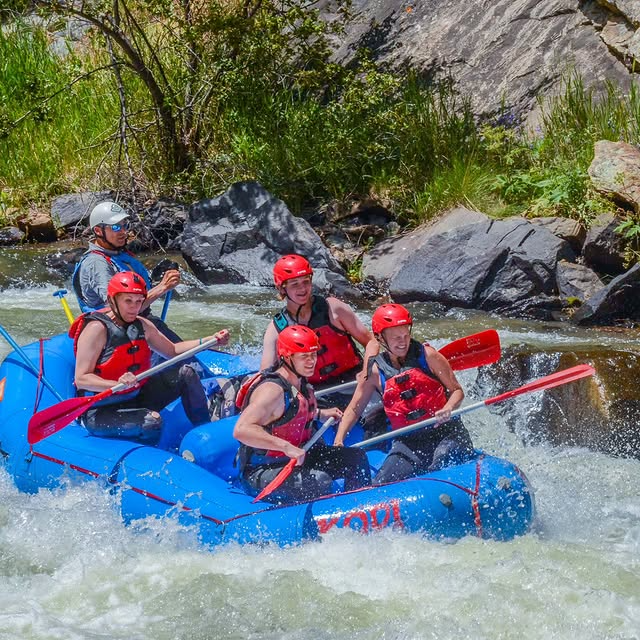
For young children, seniors, first-timers, or anyone with limited mobility, a float trip is the right starting point. You still get a guide, life jacket, safety briefing, and the full river experience — just without the intensity.
Key distinction for booking: Always ask about the specific class rating of the section you'll be floating. "Family-friendly" means different things to different outfitters.
Best Scenic Float Trip Options in Colorado
1. Arkansas River Scenic Float — Bighorn Sheep Canyon (Ages 4+)
Location: Canon City / Royal Gorge Region
Difficulty: Class I–II
Minimum age: 4 years old (may increase to 6 during high spring runoff)
Minimum weight: 35 lbs
Trip length: 5 miles, roughly 1.5 hours on the water
This is Colorado's most popular gentle float, and for good reason. The upper section of Bighorn Sheep Canyon offers calm water, easy ripples, and one of the best wildlife corridors on the Arkansas River. Bighorn sheep often appear on the canyon walls above. Trout dart below the surface. Mule deer come to drink at the banks.
The Scenic Float is ideal for:
- Toddlers and preschoolers taking their first river trip
- Grandparents who want the experience without physical exertion
- Mixed groups spanning 3–4 generations
- Anyone who wants to see Colorado from a raft, not just survive it
Outfitters like Echo Canyon River Expeditions run this trip with full gear (wetsuit, PFD, helmet) and experienced guides who are trained to work with young children.
What competitors miss: Age minimums can temporarily increase to 6 during high spring runoff. Always confirm with your outfitter before booking.
2. Upper Colorado River Float — Glenwood Springs Area (Ages 3+)
Location: Near Glenwood Springs / Vail Valley
Difficulty: Class II
Minimum age: 3 years old (35 lbs minimum)
Trip length: Typically 2 hours on the water
The Upper Colorado River near Glenwood Springs is one of the most scenic and consistently calm commercial rafting stretches in the state. Wide open, sun-drenched, and fed by a large watershed, it flows reliably through summer without the dramatic water-level swings that affect smaller rivers.
This section is particularly suited for families with very young children (ages 3+) and for seniors who want to experience the grandeur of the Rockies at eye level with the water. Outfitters like Adventure Outdoors / Lakota Guides and Downstream Adventures offer guided floats here with oar boats, where the guide does all the rowing, making it completely accessible for guests who can't or don't want to paddle.
Practical note: Morning departures tend to be less crowded and offer calmer skies. Book early in the week if possible to avoid weekend traffic on the water.
3. Bear Creek Family Float — Arkansas River near Buena Vista (Ages 4+)
Location: Between Buena Vista and Salida
Difficulty: Class I–II (gentle rapids)
Minimum age: 4 years old, 30 lbs minimum
Trip length: Half-day (approx. 2 hours on water); full-day option includes riverside lunch
Performance Tours Rafting runs the Bear Creek Family Float on a calm section of the Arkansas River framed by towering trees, mountain views, and cottonwood groves. The trip offers paddle boats, oar boats (guide-only rowing), and paddle-assist options — giving groups flexibility based on who can participate.
A recent reviewer brought her 80-year-old mother along and described it as "peaceful enough for seniors and exciting enough to keep the rest of us smiling the whole way." That says it better than any brochure.
The full-day option adds a riverside picnic lunch, a genuinely memorable way to spend an afternoon in the Rockies with people of all ages.
4. Short & Mild Float — Colorado River near Glenwood Springs (Ages 2+)
Location: Glenwood Springs
Difficulty: Class II (easy)
Minimum age: 2 years old
Trip length: 1.5–2 hours
Whitewater Rafting LLC runs one of the few commercial trips in Colorado open to children as young as 2 years old. This short, mild float along the Colorado River near Glenwood Springs keeps things simple: easy Class II rapids, scenic canyon surroundings, and a pace that lets even the youngest guests feel comfortable on the water.
For grandparents bringing toddler grandchildren, or parents with children under 4, this is one of the very few options designed specifically for that age group.
Float Trip Comparison: Which One Is Right for Your Group?
| Trip | River | Min. Age | Difficulty | Best For | Approx. Duration |
| Arkansas Scenic Float | Arkansas | 4 yrs / 35 lbs | Class I–II | Toddlers, grandparents, mixed groups | 1.5 hrs on water |
| Upper Colorado Float | Colorado | 3 yrs / 35 lbs | Class II | Young families, first-timers, seniors | 2 hrs on water |
| Bear Creek Family Float | Arkansas | 4 yrs / 30 lbs | Class I–II | All ages, full-day option available | 2 hrs / full day |
Tips for Planning a Float Trip With Kids or Seniors
Book morning departures. River temperatures are cooler, skies are clearer, and crowds are thinner. Morning trips also leave the afternoon free for other activities.
Choose an oar boat over a paddle boat if your group includes very young children or seniors who prefer not to paddle. The guide rows; your group simply enjoys the ride.
Check age and weight minimums before booking; they can change with water conditions. High spring runoff (May–June) sometimes temporarily raises minimum ages for safety.
Dress in layers, not cotton. Even on calm water, you may get splashed. Synthetic fabrics dry quickly; cotton doesn't. Outfitters typically provide wetsuits and splash jackets.
Don't skip the safety briefing. It takes 10–15 minutes and covers everything your guide needs from you. Kids generally love it.
Why Families Choose Scenic Float Trips
Benefits include:
- No rafting experience required
- Suitable for multiple generations
- Less physically demanding
- Great introduction to rafting
- More time to enjoy the scenery and wildlife
- Comfortable pace for younger children
Conclusion
Colorado's rivers have something for everyone, and some of the most rewarding days happen at the quieter end of the spectrum. A well-guided scenic float gives young children their first real taste of the outdoors, gives seniors a way to experience the Rockies they might otherwise miss, and gives families a few unhurried hours together on moving water.
Pick the right river, choose the right boat type for your group, and let a good guide do the rest. That's really all there is to it.
Rafting offers guided family-friendly adventures on some of Colorado's most beautiful rivers, helping guests enjoy the perfect balance of scenery, relaxation, and outdoor fun.
Frequently Asked Questions
Q1: What is the youngest age a child can go on a Colorado float trip?
Some outfitters accept children as young as 2–3 years old on very gentle Class II floats. Most scenic float trips on the Arkansas River accept children from age 4 and a minimum weight of 30–35 lbs. Age minimums can temporarily increase during high water periods, so always confirm with your specific outfitter before booking.
Q2: Are float trips safe for seniors or people with limited mobility?
Yes. Gentle Class I–II float trips are designed to be accessible for all fitness levels, including seniors and guests with limited mobility. Oar boats (where the guide rows the entire time) require no physical effort from guests. Always inform your outfitter of any mobility considerations when booking so they can assign the right boat and position.
Q3: Do you need to know how to swim to go on a Colorado float trip?
Strong swimming ability is not required for gentle float trips. All guests wear properly fitted life jackets for the entire trip. That said, outfitters generally recommend feeling comfortable in water. If there's any concern, choose an oar boat where swimming is least likely.
Q4: What should we wear on a scenic float trip in Colorado?
Wear synthetic or wool layers (no cotton), secure water shoes (no flip-flops), sunscreen, and a hat. Most outfitters provide wetsuits, splash jackets, helmets, and life jackets. Bring a change of clothes and a dry bag for your phone and valuables.
Q5: How far in advance should we book a Colorado float trip?
Book at least 2–3 weeks ahead for peak summer dates (June–August), especially for weekends and holidays. Family float trips fill up quickly because they accommodate the widest range of guests. In 2026, with a compressed rafting season on some rivers, early booking is more important than usual.
Q6: What's the difference between an oar boat and a paddle boat on a float trip?
On a paddle boat, all guests participate in paddling with guidance from the guide. On an oar boat, the guide does all the rowing, and guests simply sit and enjoy the ride. For trips with very young children, seniors, or anyone who prefers a more passive experience, an oar boat is the better choice.
Which Colorado Rivers Are Running Best Right Now? Unstoppable Colorado Summer Adventures
Direct Answer: The Colorado rivers running best right now in summer 2026 are the Arkansas River (stable flows via reservoir releases through August), the Colorado River near Glenwood Springs (most consistent and family-friendly all season), and Clear Creek near Idaho Springs (fast and technical, best through June). Despite a historically low snowpack, a full Colorado rafting season is underway, with options for every skill level and age group.
Introduction
There's no better way to experience a Colorado summer than from the middle of a river. Whether you want a mellow float with the kids or a heart-pounding run through canyon rapids, Colorado's rivers deliver if you know which ones to target.
But 2026 isn't a typical season. Snowpack hit record lows this winter, and that's reshaping which rivers are worth your time and when. The right information right now can make or break your summer adventure. Here's what's actually running, what conditions look like, and how to plan a trip that delivers.
What's Happening With Colorado Rivers in Summer 2026?
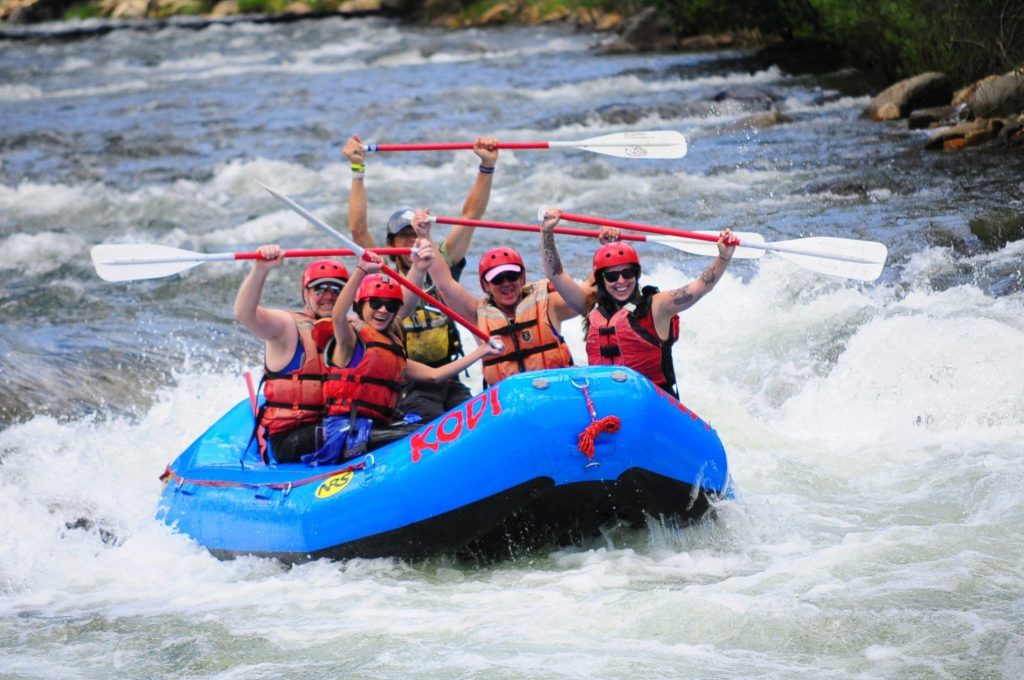
This season, outfitters across the state are calling 2026 "unprecedented." Streamflows are projected at less than half of normal for most rivers, with some smaller drainages running below a quarter of their typical volumes.
That sounds alarming, but Colorado's river system is more resilient than headlines suggest. The state has a diverse network of dams and reservoir systems that allow water to be released strategically, keeping commercial rafting viable even in dry years. Outfitters are adapting daily, shifting operations to wherever the water is best.
The bottom line: Rivers backed by reservoir management are running well. Free-flowing, snowmelt-only rivers have compressed windows. Know the difference before you book.
Which Colorado Rivers Are Running Best Right Now?
1. Arkansas River: The Most Reliable River of 2026
The Arkansas is Colorado's most popular whitewater destination, and this summer, it's also the most protected from low-snowpack conditions. Upstream reservoir systems are maintaining reliable flows through key sections, making it the go-to choice for anyone planning a summer trip.
- Best for: Beginners, intermediate paddlers, families, first-timers
- Top runs: Browns Canyon National Monument (Class III), Bighorn Sheep Canyon (Class II–III), Royal Gorge (Class IV–V for advanced paddlers)
- 2026 season: Peak conditions in June, with boatable flows expected through July and into August
- Low water bonus: Clearer water, more technical rapids, better teamwork required — many paddlers actually prefer it
Browns Canyon is consistently the #1 intermediate rafting choice in Colorado 10 miles through a stunning national monument with rapids that challenge without overwhelming.
2. Colorado River (Glenwood Springs) Best for Families All Summer
The Colorado River through Glenwood Canyon is the state's most consistent summer rafting destination. It draws from a large watershed fed by tributary creeks and upstream water management, which keeps it flowing when smaller rivers have already dropped out.
- Best for: Families, young children (ages 3+), first-time rafters, nature lovers
- Class level: II–III with dramatic canyon scenery
- Season: Consistently raftable through peak summer and into early fall
- Sweet spot: 600–1,000 CFS delivers ideal family-friendly conditions with great swimming opportunities
This is the river where Colorado rafting memories get made for generations of families. Calm enough for kids, scenic enough for everyone.
3. Clear Creek (Idaho Springs) Best for Denver Day-Trippers
Only 35–45 minutes from Denver, Clear Creek delivers more rapids per mile than almost any other commercial river in Colorado. It's fast, technical, and ideal for anyone who wants big whitewater without a long drive.
- Best for: Thrill-seekers, intermediate to advanced paddlers, Denver visitors
- Class level: II–III (Middle Clear Creek, ages 6+) up to IV–V (Lower Canyon, ages 16+)
- 2026 season: Active runoff through June; shorter window than typical — book early
- Pro tip: Outfitters report conditions are running well right now through June, so don't delay
4. Cache la Poudre: Northern Colorado's Hidden Gem
Colorado's only federally designated Wild and Scenic River runs through Poudre Canyon near Fort Collins. It's seeing earlier-than-usual peak flows in 2026, but upstream reservoir management is helping extend the season into summer.
- Best for: Nature enthusiasts, paddlers seeking fewer crowds
- Class level: II–IV depending on section
- Season: Quality runs are available through much of the summer
5. Animas River (Durango) Southwest Colorado's Crown Jewel
The Animas offers crystal-clear water, mountain backdrops, and a full range of difficulty — from scenic Lower Animas floats to demanding Class IV–V upper sections. June and July are the prime months here.
- Best for: All levels; Upper Animas is reserved for advanced and expert paddlers
- Class level: III–V depending on section
- Best months: June–July for peak flows and ideal conditions
River-by-River Comparison: Which Run Is Right for You?
| River | Difficulty | Best For | 2026 Season Window |
| Arkansas – Browns Canyon | Class III | Intermediates, families | June–August |
| Colorado – Glenwood Springs | Class II–III | Families, first-timers | June–September |
| Clear Creek – Idaho Springs | Class II–V | Thrill-seekers, day-trippers | May–June (compressed) |
| Cache la Poudre | Class II–IV | Nature lovers, fewer crowds | May–August |
| Animas River – Durango | Class III–V | All levels | June–July peak |
| Royal Gorge – Arkansas | Class IV–V | Advanced/expert | June–July |
Does Low Snowpack Actually Ruin the Experience?
Short answer: no. It changes it sometimes for the better.
Lower water levels bring:
- With clearer visibility, you can see every rock formation and river feature
- More technical rapids, steeper drops that demand active paddling and communication
- Warmer water temperatures are more comfortable for swimming and first-timers
- Thinner crowds and drier years tend to see fewer casual visitors
As experienced outfitters put it, this season: Lower water doesn't mean less adventure. It simply changes the character of the river. Many experienced paddlers enjoy the technical challenges and clearer water that lower-flow conditions can create.
Frequently Asked Questions
Q1: Which Colorado River is running best for families right now?
The Colorado River near Glenwood Springs is the top family pick in 2026. It maintains consistent flows throughout the summer and accepts young children starting at age 3. Browns Canyon on the Arkansas River is also excellent for families with older kids.
Q: Is Colorado rafting still happening with the 2026 drought?
Yes. Most commercial operations are running full schedules, especially on the Arkansas and Colorado rivers. Reservoir-backed rivers maintain raftable levels even in low-snowpack years. Always confirm current CFS levels with your outfitter.
Q: What is the minimum water level needed to raft in Colorado?
Most commercial sections require a minimum of around 250–300 CFS (cubic feet per second). Below that, trips may be cancelled or modified. CFS can change overnight with a good rainstorm, especially on free-flowing rivers like Clear Creek.
Q: When is the best time to go rafting in Colorado in 2026?
June is the prime window for higher water and bigger rapids. In 2026, runoff peaked earlier than usual, in late May rather than mid-June, so the high-water window has shifted. July and August offer warmer, calmer conditions perfect for families and beginners.
Q: How far in advance should I book a Colorado rafting trip this summer?
Book 2–4 weeks ahead for peak summer dates, especially on weekends and holidays. In 2026, with a compressed season on rivers like Clear Creek, popular time slots are filling faster than in typical years.
Q: What should I wear and bring for a rafting trip in Colorado?
Wear synthetic or wool layers (not cotton), secure water shoes, and sunscreen. Most outfitters provide wetsuits, helmets, splash jackets, and life jackets. Bring a dry bag for valuables, a water bottle, and a change of clothes for after.
Conclusion
The rivers are running. The adventures are real. 2026 may be an unusual season across Colorado, but unusual doesn't mean disappointing. The Arkansas, Colorado, Clear Creek, and Animas rivers are all delivering memorable experiences right now, each with a character shaped by this year's unique conditions.
Pick the right river for your group, check current flows before you go, and get on the water while the season is here. Colorado summers don't last forever, but the memories from a great day on the river absolutely do.
Best summer outdoor adventures near Breckenridge, Buena Vista & Summit County
Quick Answer
The best summer adventures in this part of Colorado center on its rivers. The Arkansas River near Buena Vista and the waterways close to Breckenridge and Summit County offer rafting trips from calm family floats to Class IV whitewater, with options to pair the river with ziplining, horseback riding, off-road driving, or a hot springs soak.
Introduction
Most people know Breckenridge for skiing. But once the snow clears, the whole region shifts into a different kind of outdoor season. The wildflowers come up, the rivers fill with snowmelt, and the same mountains that draw winter crowds become the backdrop for a warmer, slower kind of adventure.
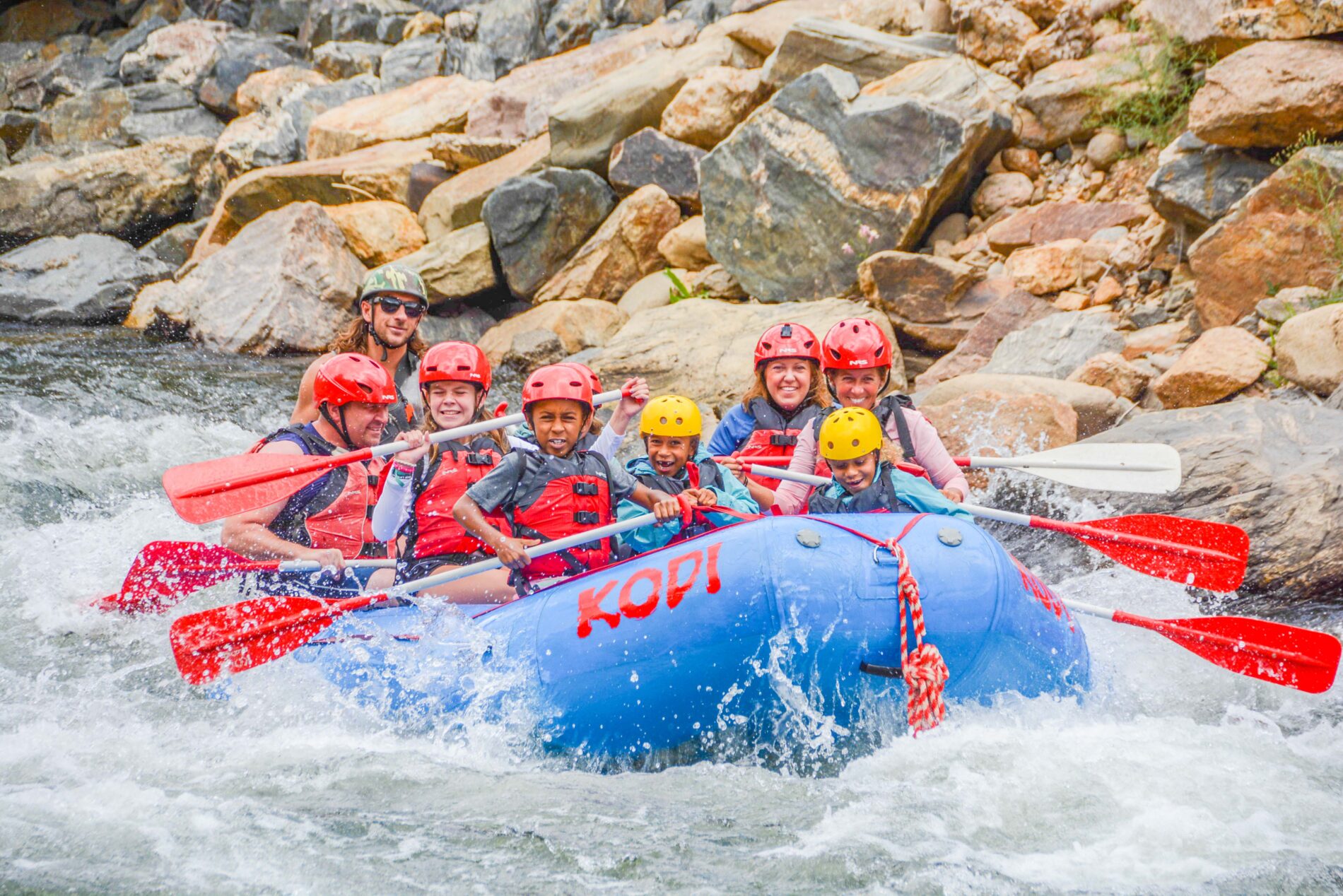
If you're planning a summer trip to Breckenridge, Buena Vista, or anywhere in Summit County, rafting is one of the best ways to experience Colorado's mountains, rivers, and wilderness. From family-friendly floats to Class IV whitewater and full-day adventure packages, there are options for every age and experience level.
The rivers and what they're like
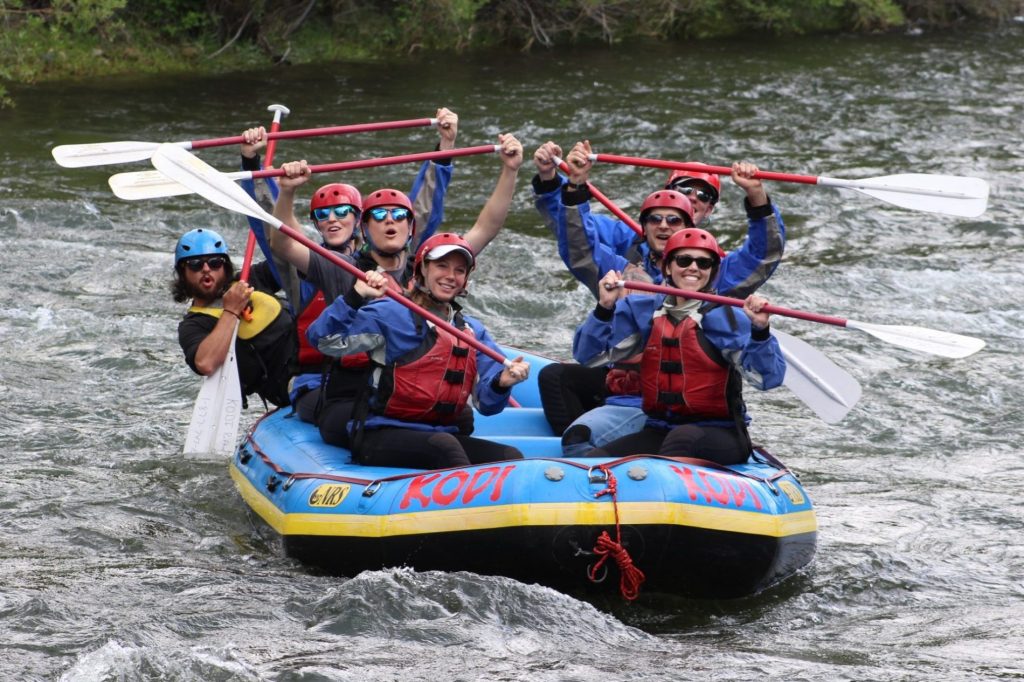
There are three main river corridors worth knowing about for this region. Each has a distinct character depending on where you're staying and what kind of experience you're after.
- Arkansas River
The Arkansas runs through Browns Canyon National Monument near Buena Vista and is the most varied of the three. It includes wide, calm Class II sections that work well for young kids, a moderately challenging Class III stretch through the canyon, and the Numbers, a technical Class IV section that demands real focus. The scenery shifts from open canyon walls to tighter, rockier terrain depending on which part of the river you're on.
It's also home to some of Colorado's most iconic rafting trips, from family-friendly floats to challenging whitewater runs.
- Blue River
The Blue River puts in just downstream from Silverthorne, making it the most convenient option for guests staying in Breckenridge, Dillon, or Frisco. It's a 1.5-hour trip — the first three miles are a flat, calm float where you can take in the Rocky Mountain scenery, followed by three miles of Class II–III whitewater. It runs seasonally, typically from late May through early summer, so it's worth calling ahead to confirm the schedule before booking.
- Clear Creek
Clear Creek offers both a beginner and an intermediate trip. The beginner section is appropriate for children as young as five. The intermediate section moves into Class III–IV territory and is better suited to teenagers and adults comfortable in fast-moving water. It's one of the closer options for Summit County visitors and has morning, midday, and afternoon departure slots.
Trip options by difficulty
Here's a side-by-side look at the main trips, from the calmest to the most challenging. All prices are per person.
| Trip | Difficulty | Min. age | Price from |
| Big Bend half day | Class II | 4+ / 30 lbs | $99 |
| Clear Creek beginner | Class II–III | 5+ / 50 lbs | $79 |
| Blue River half day | Class II–III | 6+ / 50 lbs | $99 |
| Browns Canyon half day | Class III | 6+ / 50 lbs | $99 |
| Clear Creek Intermediate | Class III–IV | 14+ | $86 |
| Numbers half day | Class IV | 14+ | $109 |
| Browns Canyon Extreme | Class III | 14+ / max 2 per raft | $250 |
If you are unsure which level fits your group, the clearest dividing line is age and comfort with cold, fast water. For kids under ten, the Class II options are the right call. For confident swimmers in their teens or above who want something with more intensity, Class III–IV delivers that without requiring any prior technical experience.
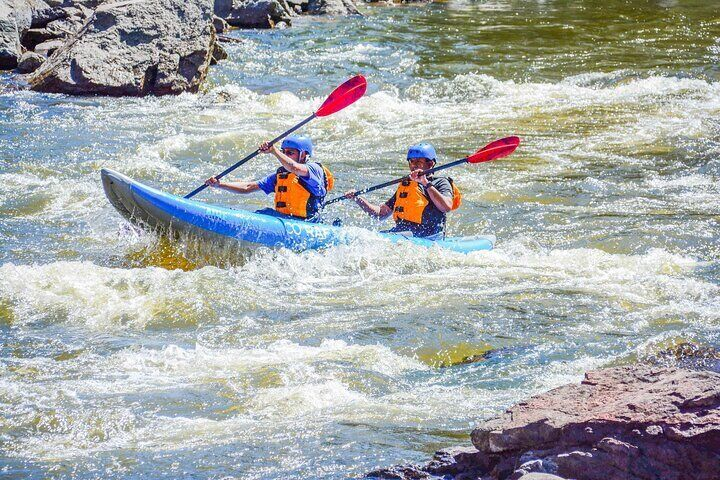
Inflatable kayak (duckie) trips
Duckie trips use lightweight inflatable kayaks, one or two-person boats, rather than a standard group raft. You paddle yourself instead of following commands from a guide at the back of a shared raft. It puts you closer to every wave, turn, and splash while giving you full control of your own boat. These run on the Arkansas River as a half-day option. Minimum age is 14; call to check availability for younger participants.
- Make It a Full Colorado Adventure: Some people want a full day that combines more than just time on the water. Four combo options pair rafting with a second activity.
- Rafting and ziplining: A half-day on the Arkansas River combined with a zipline through high alpine forest. Lunch is included. It runs as a single, coordinated day, so there's no need to manage two separate bookings.
- Horseback riding and rafting: A trail ride through the Rockies followed by a river trip. Works well for groups where not everyone wants something high-intensity from start to finish.
- Off-road and rafting: A self-guided Jeep or side-by-side overland excursion on trails around Buena Vista, paired with a river trip. Good for anyone who wants to cover more terrain than they can see from the river alone.
- Rafting and hot springs: After a day on the river, a hot springs soak makes sense. This package combines both in one booking, useful if you want the second half of the day to be genuinely restful rather than logistically complicated.
- Multi-day trips: For those with more time, there's a three-day trip on the Dolores
River in southwest Colorado. This moves through Red Rock wilderness country and is a different experience altogether from a half-day outing near Breckenridge. It suits people who want a proper expedition rather than a day trip add-on.
What to expect on the day
Before any trip launches, guides run a safety briefing on shore. You'll cover paddle technique, the commands used on the river, and what to do if someone falls in. The basics: life jackets stay on throughout, helmets are required, and if you do go overboard on a more technical section, the guide will direct whether to swim toward shore or back to the raft. The main thing to avoid in moving current is trying to stand up, as it can trap a foot between rocks.
For first-timers or families on the Class II sections, none of this is cause for concern. Those trips are designed so that no prior experience is needed.
A few practical tips worth noting ahead of time: wear quick-drying clothes or synthetics (cotton gets cold when wet), leave valuables, including cell phones, in the car, and eat and drink water before you go. Expect to get wet, especially on Class III and IV sections, the river is a workout even on the calmer stretches.
Practical details
- Breckenridge guests: booking desk at 110 South Park Avenue inside Lone Star Sports. Trips depart from the Frisco outpost, about 15 minutes away.
- Buena Vista home office: 15620 Bear Trail, Buena Vista, CO 81211
- Summer hours: 7 AM – 7 PM, Monday through Sunday
- Phone: (877) 747-7238
- Most trips have morning and afternoon departure slots; exact times vary by trip
- The Blue River is a seasonal run — call ahead to confirm before booking online
Frequently asked questions
1. I'm staying in Breckenridge. Where do trips actually leave from?
Trips for Breckenridge guests depart from the Frisco outpost, not from Breckenridge itself — it's about a 15-minute drive. There's a booking desk in town at 110 South Park Avenue (inside Lone Star Sports) where you can get details and sign up.
2. What's the youngest age allowed on the water?
The Big Bend half-day trip on the Arkansas River accepts children from age 4 (minimum 30 lbs). Clear Creek beginner is open from age 5 (minimum 50 lbs). The Blue River and Browns Canyon half-day both start at age 6 (minimum 50 lbs). Most other trips require age 14 or older.
3. Do I need any experience to join a beginner trip?
No. The beginner and family-level trips are set up for people who have never been on a raft before. Guides cover everything — paddle technique, river commands, and what to do if you fall out — before you launch.
4. When does the Blue River run?
The Blue River is a seasonal run tied to snowmelt. It typically runs in the earlier part of summer. It's worth calling ahead to confirm before booking online, as departure schedules can vary year to year.
5. What's the difference between a duckie trip and a standard raft?
A standard raft holds a group with a guide steering from the back. A duckie is a small inflatable kayak, one or two people, that you paddle yourself. You're more independent and closer to the water, but it requires more active paddling throughout the trip.
6. Can I combine rafting with something else in the same day?
Yes. There are four combo options: rafting with Quick Answer
The best summer adventures in this part of Colorado center on its rivers. The Arkansas River near Buena Vista and the waterways close to Breckenridge and Summit County offer rafting trips from calm family floats to Class IV whitewater, with options to pair the river with ziplining, horseback riding, off-road driving, or a hot springs soak.
Introduction
Most people know Breckenridge for skiing. But once the snow clears, the whole region shifts into a different kind of outdoor season. The wildflowers come up, the rivers fill with snowmelt, and the same mountains that draw winter crowds become the backdrop for a warmer, slower kind of adventure.
If you're planning a summer trip to Breckenridge, Buena Vista, or anywhere in Summit County, rafting is one of the best ways to experience Colorado's mountains, rivers, and wilderness. From family-friendly floats to Class IV whitewater and full-day adventure packages, there are options for every age and experience level.
The rivers and what they're like
There are three main river corridors worth knowing about for this region. Each has a distinct character depending on where you're staying and what kind of experience you're after.
- Arkansas River
The Arkansas runs through Browns Canyon National Monument near Buena Vista and is the most varied of the three. It includes wide, calm Class II sections that work well for young kids, a moderately challenging Class III stretch through the canyon, and the Numbers, a technical Class IV section that demands real focus. The scenery shifts from open canyon walls to tighter, rockier terrain depending on which part of the river you're on.
It's also home to some of Colorado's most iconic rafting trips, from family-friendly floats to challenging whitewater runs.
- Blue River
The Blue River puts in just downstream from Silverthorne, making it the most convenient option for guests staying in Breckenridge, Dillon, or Frisco. It's a 1.5-hour trip — the first three miles are a flat, calm float where you can take in the Rocky Mountain scenery, followed by three miles of Class II–III whitewater. It runs seasonally, typically from late May through early summer, so it's worth calling ahead to confirm the schedule before booking.
- Clear Creek
Clear Creek offers both a beginner and an intermediate trip. The beginner section is appropriate for children as young as five. The intermediate section moves into Class III–IV territory and is better suited to teenagers and adults comfortable in fast-moving water. It's one of the closer options for Summit County visitors and has morning, midday, and afternoon departure slots.
Trip options by difficulty
Here's a side-by-side look at the main trips, from the calmest to the most challenging. All prices are per person.
| Trip | Difficulty | Min. age | Price from |
| Big Bend half day | Class II | 4+ / 30 lbs | $99 |
| Clear Creek beginner | Class II–III | 5+ / 50 lbs | $79 |
| Blue River half day | Class II–III | 6+ / 50 lbs | $99 |
| Browns Canyon half day | Class III | 6+ / 50 lbs | $99 |
| Clear Creek Intermediate | Class III–IV | 14+ | $86 |
| Numbers half day | Class IV | 14+ | $109 |
| Browns Canyon Extreme | Class III | 14+ / max 2 per raft | $250 |
If you are unsure which level fits your group, the clearest dividing line is age and comfort with cold, fast water. For kids under ten, the Class II options are the right call. For confident swimmers in their teens or above who want something with more intensity, Class III–IV delivers that without requiring any prior technical experience.
Inflatable kayak (duckie) trips
Duckie trips use lightweight inflatable kayaks, one or two-person boats, rather than a standard group raft. You paddle yourself instead of following commands from a guide at the back of a shared raft. It puts you closer to every wave, turn, and splash while giving you full control of your own boat. These run on the Arkansas River as a half-day option. Minimum age is 14; call to check availability for younger participants.
- Make It a Full Colorado Adventure: Some people want a full day that combines more than just time on the water. Four combo options pair rafting with a second activity.
- Rafting and ziplining: A half-day on the Arkansas River combined with a zipline through high alpine forest. Lunch is included. It runs as a single, coordinated day, so there's no need to manage two separate bookings.
- Horseback riding and rafting: A trail ride through the Rockies followed by a river trip. Works well for groups where not everyone wants something high-intensity from start to finish.
- Off-road and rafting: A self-guided Jeep or side-by-side overland excursion on trails around Buena Vista, paired with a river trip. Good for anyone who wants to cover more terrain than they can see from the river alone.
- Rafting and hot springs: After a day on the river, a hot springs soak makes sense. This package combines both in one booking, useful if you want the second half of the day to be genuinely restful rather than logistically complicated.
- Multi-day trips: For those with more time, there's a three-day trip on the Dolores
River in southwest Colorado. This moves through Red Rock wilderness country and is a different experience altogether from a half-day outing near Breckenridge. It suits people who want a proper expedition rather than a day trip add-on.
What to expect on the day
Before any trip launches, guides run a safety briefing on shore. You'll cover paddle technique, the commands used on the river, and what to do if someone falls in. The basics: life jackets stay on throughout, helmets are required, and if you do go overboard on a more technical section, the guide will direct whether to swim toward shore or back to the raft. The main thing to avoid in moving current is trying to stand up, as it can trap a foot between rocks.
For first-timers or families on the Class II sections, none of this is cause for concern. Those trips are designed so that no prior experience is needed.
A few practical tips worth noting ahead of time: wear quick-drying clothes or synthetics (cotton gets cold when wet), leave valuables, including cell phones, in the car, and eat and drink water before you go. Expect to get wet, especially on Class III and IV sections, the river is a workout even on the calmer stretches.
Practical details
- Breckenridge guests: booking desk at 110 South Park Avenue inside Lone Star Sports. Trips depart from the Frisco outpost, about 15 minutes away.
- Buena Vista home office: 15620 Bear Trail, Buena Vista, CO 81211
- Summer hours: 7 AM – 7 PM, Monday through Sunday
- Phone: (877) 747-7238
- Most trips have morning and afternoon departure slots; exact times vary by trip
- The Blue River is a seasonal run — call ahead to confirm before booking online
Frequently asked questions
1. I'm staying in Breckenridge. Where do trips actually leave from?
Trips for Breckenridge guests depart from the Frisco outpost, not from Breckenridge itself — it's about a 15-minute drive. There's a booking desk in town at 110 South Park Avenue (inside Lone Star Sports) where you can get details and sign up.
2. What's the youngest age allowed on the water?
The Big Bend half-day trip on the Arkansas River accepts children from age 4 (minimum 30 lbs). Clear Creek beginner is open from age 5 (minimum 50 lbs). The Blue River and Browns Canyon half-day both start at age 6 (minimum 50 lbs). Most other trips require age 14 or older.
3. Do I need any experience to join a beginner trip?
No. The beginner and family-level trips are set up for people who have never been on a raft before. Guides cover everything — paddle technique, river commands, and what to do if you fall out — before you launch.
4. When does the Blue River run?
The Blue River is a seasonal run tied to snowmelt. It typically runs in the earlier part of summer. It's worth calling ahead to confirm before booking online, as departure schedules can vary year to year.
5. What's the difference between a duckie trip and a standard raft?
A standard raft holds a group with a guide steering from the back. A duckie is a small inflatable kayak, one or two people, that you paddle yourself. You're more independent and closer to the water, but it requires more active paddling throughout the trip.
6. Can I combine rafting with something else in the same day?
Yes. There are four combo options: rafting with ziplining (lunch included), rafting with horseback riding, rafting with a self-guided off-road Jeep trip, and rafting followed by hot springs. All run out of the Buena Vista area and are bookable as a single package.
Conclusion
Summer in Colorado's high country doesn't last long, roughly June through August for the best river conditions, and the mountains around Breckenridge, Buena Vista, and Summit County pack a lot into that window. The rivers are the most direct way to experience the landscape from a different angle, whether that's a 90-minute float on the Blue River with the kids or a full day working through Class IV rapids on the Arkansas.
The range of options here is genuinely wide. A four-year-old and an experienced adult can both find a trip that suits them, often on the same river and the same day. And for those who want to go further, multi-day wilderness trips, combo packages, and solo kayaking, the options extend well beyond a single afternoon.
If you're planning time in the area, it's worth figuring out which trip level fits your group before you arrive. Slots fill up, especially on the more popular sections like Browns Canyon, and the Blue River runs on a seasonal schedule that makes early planning useful. The website at whitewatercolorado.com has the full trip list, and the team is reachable at (877) 747-7238 during summer hours if you have questions before booking.(lunch included), rafting with horseback riding, rafting with a self-guided off-road Jeep trip, and rafting followed by hot springs. All run out of the Buena Vista area and are bookable as a single package.
Conclusion
Summer in Colorado's high country doesn't last long, roughly June through August for the best river conditions, and the mountains around Breckenridge, Buena Vista, and Summit County pack a lot into that window. The rivers are the most direct way to experience the landscape from a different angle, whether that's a 90-minute float on the Blue River with the kids or a full day working through Class IV rapids on the Arkansas.
The range of options here is genuinely wide. A four-year-old and an experienced adult can both find a trip that suits them, often on the same river and the same day. And for those who want to go further, multi-day wilderness trips, combo packages, and solo kayaking, the options extend well beyond a single afternoon.
If you're planning time in the area, it's worth figuring out which trip level fits your group before you arrive. Slots fill up, especially on the more popular sections like Browns Canyon, and the Blue River runs on a seasonal schedule that makes early planning useful. The website at whitewatercolorado.com has the full trip list, and the team is reachable at (877) 747-7238 during summer hours if you have questions before booking.
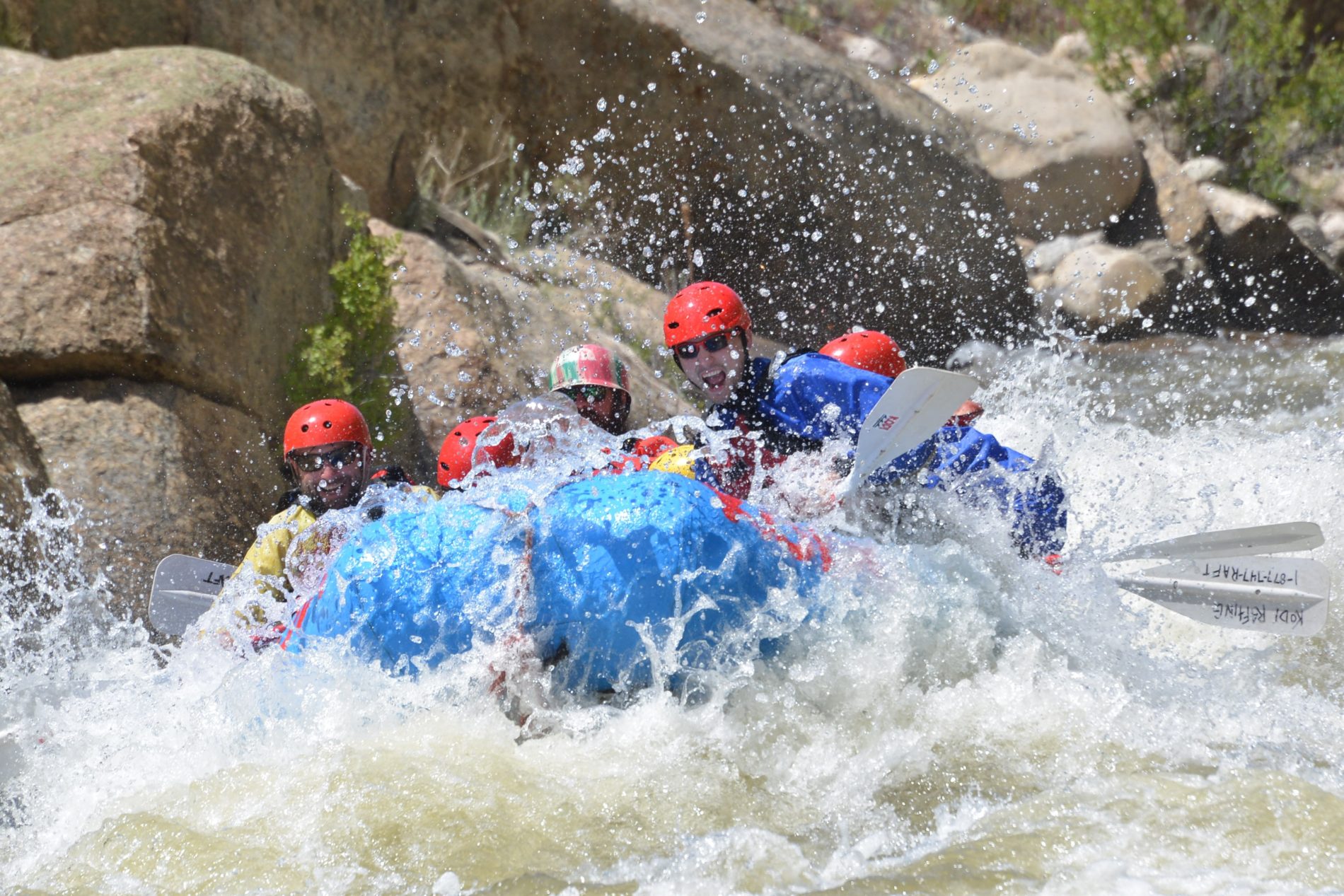
Whitewater Rafting in Colorado: Why It's the Best Group Adventure for Families & Teams
Planning a group adventure that works for everyone isn't easy. Families often have a mix of ages and experience levels. Corporate teams bring different comfort zones and personalities. Whitewater rafting succeeds where many group activities fall short because everyone shares the same experience while still finding a challenge level that fits.
KODI Rafting has been running hand-crafted river adventures in Colorado since 1986. With more than 30 trips on six rivers and outposts across the state, KODI Rafting has helped families, corporate teams, church groups, wedding parties, and reunions create memories that outlast any team dinner or theme park ticket.
Here's why Colorado's rivers are the right call and how to choose the trip that fits your crew.
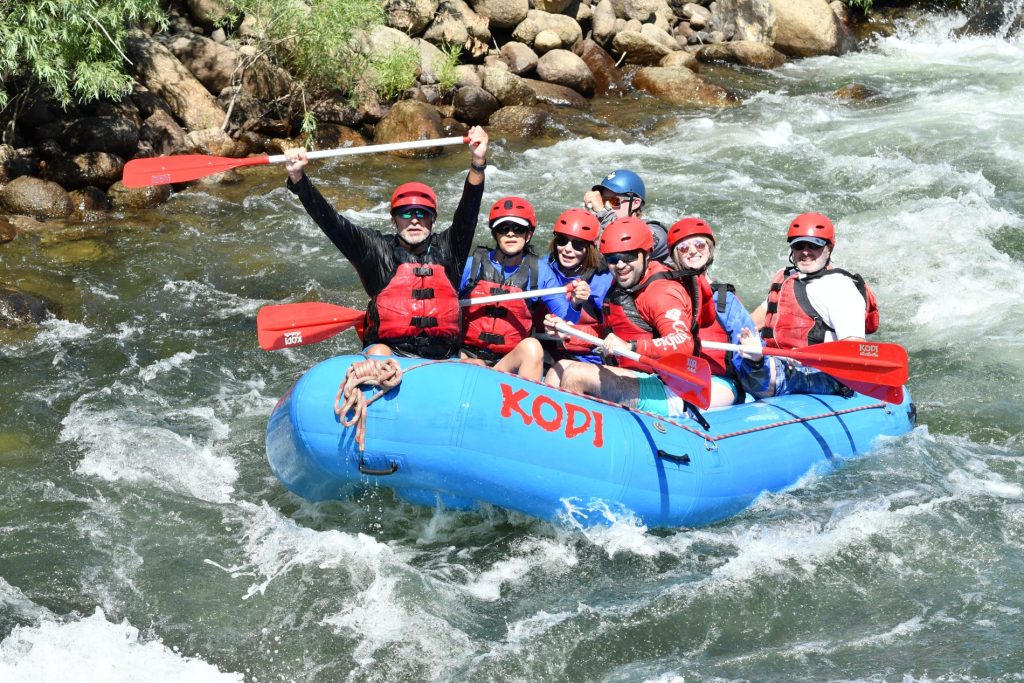
What Makes Colorado Ideal for Group Whitewater Rafting?
Colorado is home to some of the most diverse and accessible whitewater in the United States. The Arkansas River, the most commercially rafted river in the country, runs straight through the heart of the state, offering everything from peaceful family floats to adrenaline-pumping Class IV sections.
For groups, this diversity is the key advantage:
- Beginners and young children can be on the same river as experienced paddlers, just on different sections or trip types.
- Multiple departures daily mean you can slot around travel schedules.
- Locations near Buena Vista, Breckenridge, Frisco, Idaho Springs, and Kremmling make access easy from Denver and most Colorado vacation destinations.
- Six rivers, including Clear Creek, the Upper Colorado, the Blue River, and the Dolores, mean there's a right fit regardless of where your group is based.
Is Whitewater Rafting Safe for Families with Young Kids?
Yes, and this is one of the most common misconceptions people have. Not all whitewater is wild. Colorado's rivers include calm, scenic Class II stretches that are genuinely suitable for children as young as four years old.
How Difficulty Levels Work
The rapids classification system runs from Class I (flatwater) to Class VI (not commercially run). Here's what that means for your family or group:
| Class | Description | Best For |
| Class II | Gentle waves, easy navigation | Families with kids 4+ |
| Class III | Moderate rapids, some waves | Families, mixed groups |
| Class III-IV | Energetic rapids, technical moves | Ages 14+, confident swimmers |
| Class IV | Powerful rapids, precise paddling needed | Adults, experienced groups |
Our Big Bend Half Day trip accepts children as young as 4 (30 lbs. minimum) on Class II rapids gentle enough to feel safe, exciting enough to be memorable. The Browns Canyon Half-Day trip on the Arkansas River is one of the most popular family options, featuring Class III rapids and a minimum age of 6.
Safety is KODI Rafting's top priority. Guides are trained through Swiftwater Rescue certification, and the training staff brings more than 50 years of combined experience to the river.
Which Colorado River Rafting Trip Is Right for Your Group?
With over 30 trips available, the right choice depends on your group's age range, experience level, and how much time you have. Here's a breakdown of our most popular options for groups:
| Trip | River | Difficulty | Min. Age | Best For |
| Big Bend Half Day | Arkansas River | Beginner – Class II | 4+ / 30 lbs. | Young families |
| Brown's Canyon Half Day | Arkansas River | Moderate – Class III | 6+ / 50 lbs. | Families & groups |
| Brown's Canyon Full Day | Arkansas River | Moderate – Class III | 6+ / 50 lbs. | Corporate retreats |
| Clear Creek Beginner | Clear Creek | Beginner – Class II-III | 5+ / 50 lbs. | First-timers |
| Clear Creek Intermediate | Clear Creek | Moderate – Class III-IV | 14+ | Teen groups |
| Numbers Half Day | Arkansas River | Advanced – Class IV | 14+ | Thrill-seekers |
For groups with mixed experience levels, a common scenario for corporate retreats and family reunions, the Browns Canyon National Monument Full Day trip is the strongest all-around choice. It runs the full length of the monument on the Arkansas River, includes lunch, and works for ages 6 and up.
Why Group Rafting Works for Corporate Teams
Team-building activities are only effective when people are actually engaged. River rafting creates that engagement naturally.
On a raft, communication isn't optional; everyone paddles in sync, or no one moves efficiently. That dynamic builds the exact skills most corporate retreats are trying to develop: trust, communication, and shared decision-making under pressure.
What We Offer Corporate Groups
- Trips for groups of all sizes, including large groups of 200+
- Flexible scheduling with multiple daily departures
- Group discounts of 10% based on size and time of year
- Options to combine rafting with ziplines, horseback riding, or off-road adventures
- Dedicated support from a reservations team that handles the coordination logistics
Unlike a conference room workshop, a river trip gives teams something to talk about for years. The shared experience of navigating rapids together, working through the unexpected, is the kind of thing that actually changes how people relate to each other at work.
Beyond the Raft: Colorado Adventure Packages for Groups
One of the things that sets us apart from most outfitters is our ability to take guests beyond the river. For groups seeking a complete outdoor experience, our adventure packages combine multiple activities into one seamless trip.
Zip & Raft: Morning rafting on the Arkansas River followed by an afternoon zipline through alpine forest. Suitable for ages 6+ (60–260 lbs.).
Saddle Paddle: Horseback riding combined with river rafting for a true wilderness adventure.
Paddle & Dip: Rafting paired with a relaxing soak in natural hot springs pools.
Off-Road & Raft: Combine an off-road excursion with an Arkansas River rafting trip.
These packages are particularly well-suited for corporate retreats, bachelorette and bachelor parties, and wedding groups looking for a multi-experience adventure day.
What to Expect on a Group Rafting Trip
If you have never organized a group river trip before, here's how the process typically works with KODI Rafting:
Talk with the reservations team: Call (877) 747-7238 or submit a group inquiry online. The reservations team will help you identify the right trip based on your group's size, ages, and preferences.
Reserve your spot: Reservations can be held for 10 days, at which point a 50% deposit confirms the booking.
Pre-trip prep: Guides walk everyone through a safety briefing and paddling orientation before entering the water.
On the river: Professional guides lead each raft, handling navigation while coaching the group through paddling commands.
After the trip, you can order professional trip photos to commemorate the experience.
Final Thoughts
When a group of people, whether it's a family, a team, or a wedding party, shares something genuinely challenging and beautiful, it creates the kind of connection that no conference room or restaurant dinner can replicate. Whitewater rafting delivers that experience time and time again.
For more than 40 years, the team has been creating memorable adventures for groups of all sizes. With trips designed for every age and skill level, experienced guides, transparent pricing, and the ability to coordinate everything from small family outings to large corporate events, they're a trusted choice for group adventures in the Rockies.
Whether you are organizing a first family trip down the Arkansas River or coordinating a 100-person corporate retreat, planning your adventure starts with a single call: (877) 747-7238. Visit whitewatercolorado.com to explore available trips and locations.
Frequently Asked Questions
1. What is the minimum age for whitewater rafting in Colorado?
The minimum age varies by trip. The Big Bend Half Day trip accepts children as young as 4 years old (minimum 30 lbs.), while the Clear Creek Beginner Trip starts at age 5. Most family-friendly trips begin at age 6. Advanced trips on Class IV rapids require participants to be at least 14 years old.
2. How large a group can be accommodated?
Groups range from small family gatherings to 200+ person events. The team specializes in group logistics and can coordinate multiple rafts, staggered departure times, and combined activity packages to keep large groups organized.
3. Are group discounts available?
Yes. A 10% group discount is offered depending on group size and time of year. Contact the reservations team directly at (877) 747-7238 to discuss pricing for your specific group.
4. What should we wear and bring for a group rafting trip?
All essential safety gear, including life jackets and helmets, is provided. Guests should wear clothes they don’t mind getting wet, secure footwear (no flip-flops), and sunscreen. Avoid cotton whenever possible. Quick-drying synthetic layers work best on the river, and a wetsuit may be recommended in cooler water conditions.
5. When is the best time of year for whitewater rafting in Colorado?
The primary rafting season runs from late spring through early fall, with peak conditions typically from May through August when snowmelt keeps river levels optimal. Operations generally run from 7 AM to 7 PM, Monday through Sunday.
6. Can non-swimmers participate?
Yes. All participants wear personal flotation devices (PFDs) at all times. Guides are trained in swiftwater rescue, and beginner trips prioritize safety. Many beginner and family-friendly trips can accommodate non-swimmers, but participants should be comfortable in the water and follow the guide's instructions carefully.
Arkansas River Rafting: Where to Stay in Buena Vista for the Best River Adventure
Direct Answer
Buena Vista is one of the best places to stay for an Arkansas River rafting vacation because it offers convenient access to Browns Canyon, Big Bend, and other popular rafting sections while placing visitors close to restaurants, hot springs, hiking trails, and mountain views.
Introduction
Buena Vista is one of Colorado's most popular destinations for outdoor adventure. Located along the Arkansas River and surrounded by mountain views, it serves as a convenient base for visitors planning rafting trips, hiking excursions, fishing outings, and scenic drives.
For travelers searching for Arkansas River rafting experiences, choosing the right lodging can make the trip more comfortable and enjoyable. Whether you're visiting with family, friends, or as a couple, understanding the available accommodation options can help you make the most of your time in the area.
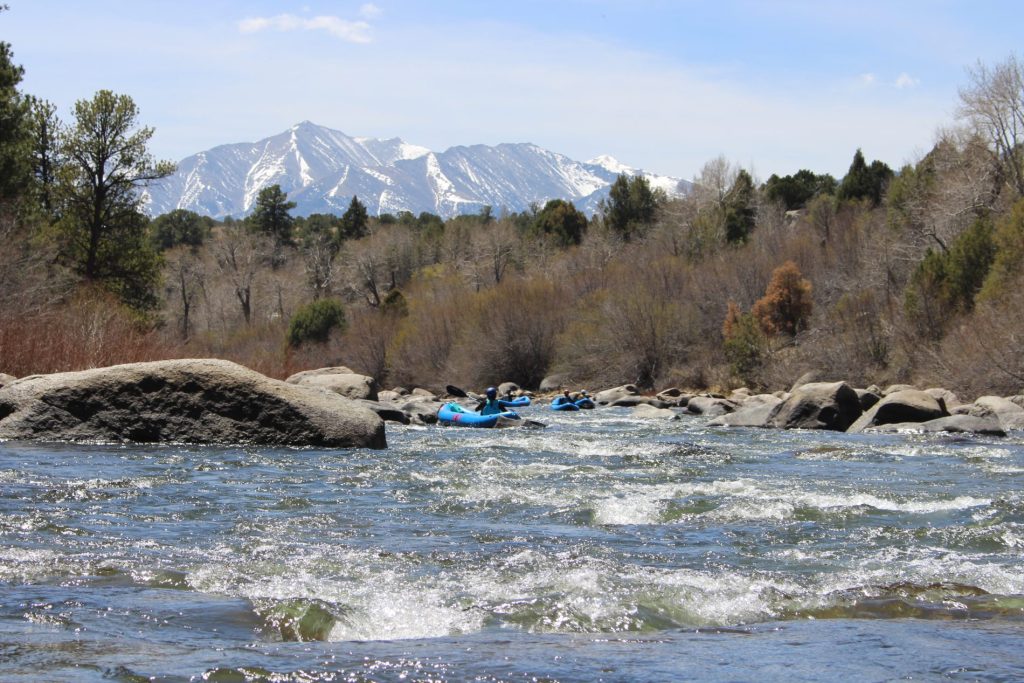
Why Stay in Buena Vista for Arkansas River Rafting?
Buena Vista offers easy access to several sections of the Arkansas River while providing a relaxed mountain-town atmosphere.
Some key advantages include:
- Convenient access to rafting locations
- Proximity to hiking and outdoor recreation
- Restaurants, shops, and local services nearby
- Scenic mountain views throughout the area
- Accommodation options for different budgets and group sizes
Because of its location in the Upper Arkansas River Valley, Buena Vista is often a preferred base for visitors planning multi-day outdoor adventures.
Best Areas to Stay Near the Arkansas River in Buena Vista
Downtown Buena Vista
Great for visitors who want restaurants, breweries, coffee shops, shopping, and local attractions within walking distance. It's a convenient option for couples and travelers who enjoy exploring town after a day on the river.
South Main
A popular riverfront neighborhood with direct access to trails, parks, and the Arkansas River. Ideal for visitors who want to stay close to outdoor recreation while remaining near downtown amenities.
Near Browns Canyon
A great choice for travelers planning multiple rafting trips, hiking adventures, or outdoor-focused days. Staying closer to Browns Canyon can reduce drive times and maximize time on the water.
Campgrounds & RV Parks
Perfect for visitors seeking a classic Colorado outdoor experience. Many campgrounds and RV parks offer convenient access to the river, mountain views, and nearby recreation opportunities.
What Types of Lodging Are Available Near the Arkansas River?
Travelers have several accommodation choices depending on their preferences.
| Lodging Type | Best For | Key Benefits |
| Hotels & Inns | Couples, short stays | Convenience and amenities |
| Cabins | Families and groups | Privacy and mountain atmosphere |
| Vacation Rentals | Longer stays | Extra space and kitchen facilities |
| Campgrounds | Outdoor enthusiasts | Budget-friendly and close to nature |
| RV Parks | Road travelers | Flexible accommodations and services |
Choosing the right option depends on your budget, group size, and desired level of comfort.
How to Choose the Best Place to Stay
1. Consider Your Rafting Schedule
If rafting is your primary activity, staying within easy driving distance of your trip location can help simplify logistics. Early morning check-ins and transportation arrangements become easier when accommodations are nearby.
2. Think About Your Group Size
Families and larger groups often prefer cabins or vacation rentals because they provide additional living space. Couples and solo travelers may find hotels or lodges more convenient.
3. Plan Around Other Activities
Many visitors combine Arkansas River rafting with activities such as:
- Hiking
- Mountain biking
- Fishing
- Scenic sightseeing
- Wildlife viewing
If you're planning multiple outdoor adventures, consider accommodations that provide easy access to the surrounding recreation areas.
4. Book Early During Peak Season
Buena Vista attracts visitors throughout the rafting season. Lodging availability can become limited during popular travel periods, so advance planning is recommended.
What Makes Buena Vista Different from Other Colorado Rafting Destinations?
Many Colorado mountain towns offer outdoor recreation, but Buena Vista stands out because of its location along the Arkansas River and its proximity to numerous adventure opportunities.
Visitors appreciate:
- Easy access to multiple Arkansas River rafting sections
- Stunning views of the Collegiate Peaks
- Proximity to Browns Canyon National Monument
- Nearby hot springs, hiking trails, and mountain biking routes
- A relaxed mountain-town atmosphere that's less crowded than many Colorado resort communities
This combination makes Buena Vista appealing to first-time visitors as well as experienced outdoor enthusiasts.
Tips for Planning Your Arkansas River Rafting Trip
A successful rafting vacation starts with good preparation.
Before You Book
- Determine how much time you want to spend exploring the river and surrounding area.
- Determine your lodging budget.
- Consider transportation needs.
- Review seasonal weather conditions.
Before You Arrive
- Confirm accommodation details.
- Pack appropriate outdoor clothing.
- Prepare for changing mountain weather.
- Plan additional activities around your rafting trip.
These simple steps can help create a smoother travel experience.
Benefits of Staying Near the Arkansas River
Guests participating in rafting trips with KODI Rafting often find that staying close to the river helps simplify trip-day logistics and provides more time to enjoy the area.
- More Time Outdoors
Shorter travel times mean more opportunities to enjoy outdoor activities.
- Better Trip Flexibility
Nearby lodging allows you to adjust plans based on weather, group preferences, or available activities.
- Easier Access to Local Attractions
Many visitors enjoy exploring Buena Vista's shops, restaurants, scenic viewpoints, and recreational areas between rafting adventures.
For travelers focused on Arkansas River rafting, proximity often contributes to a more relaxed and enjoyable vacation experience.
Conclusion
For many visitors, the best place to stay is the one that keeps them close to the Arkansas River and the outdoor experiences that brought them to Buena Vista in the first place. With easy access to Browns Canyon, Big Bend, hiking trails, hot springs, and mountain scenery, Buena Vista remains one of Colorado's premier basecamps for an Arkansas River adventure.
Planning an Arkansas River Rafting Trip?
Whether you're visiting for a weekend getaway or a full Colorado vacation, Buena Vista makes an excellent basecamp for exploring the Arkansas River.
KODI Rafting offers trips for every experience level, from family-friendly floats to exciting Class IV whitewater adventures.
Call (877) 747-7238 or visit whitewatercolorado.com to find the right trip for your group.
Frequently Asked Questions
1. Where should I stay for Arkansas River rafting in Buena Vista?
Most visitors stay in Buena Vista because it offers convenient access to rafting locations, outdoor recreation, dining, and lodging options.
2. What lodging options are available near Buena Vista?
Hotels, cabins, vacation rentals, campgrounds, and RV parks are commonly available throughout the area.
3. Is Buena Vista a good destination for families?
Yes. Families often choose Buena Vista because of its outdoor activities, scenic surroundings, and variety of accommodation choices.
4. How far in advance should I book lodging?
Booking early is recommended during peak rafting and summer travel seasons when accommodations can fill quickly.
5. Can I combine rafting with other outdoor activities?
Yes. Many visitors combine Arkansas River rafting with hiking, fishing, mountain biking, sightseeing, and other recreational activities.
6. Is camping available near the Arkansas River?
Camping opportunities are available in the broader Buena Vista area, making it a popular option for travelers seeking a closer connection to the outdoors.
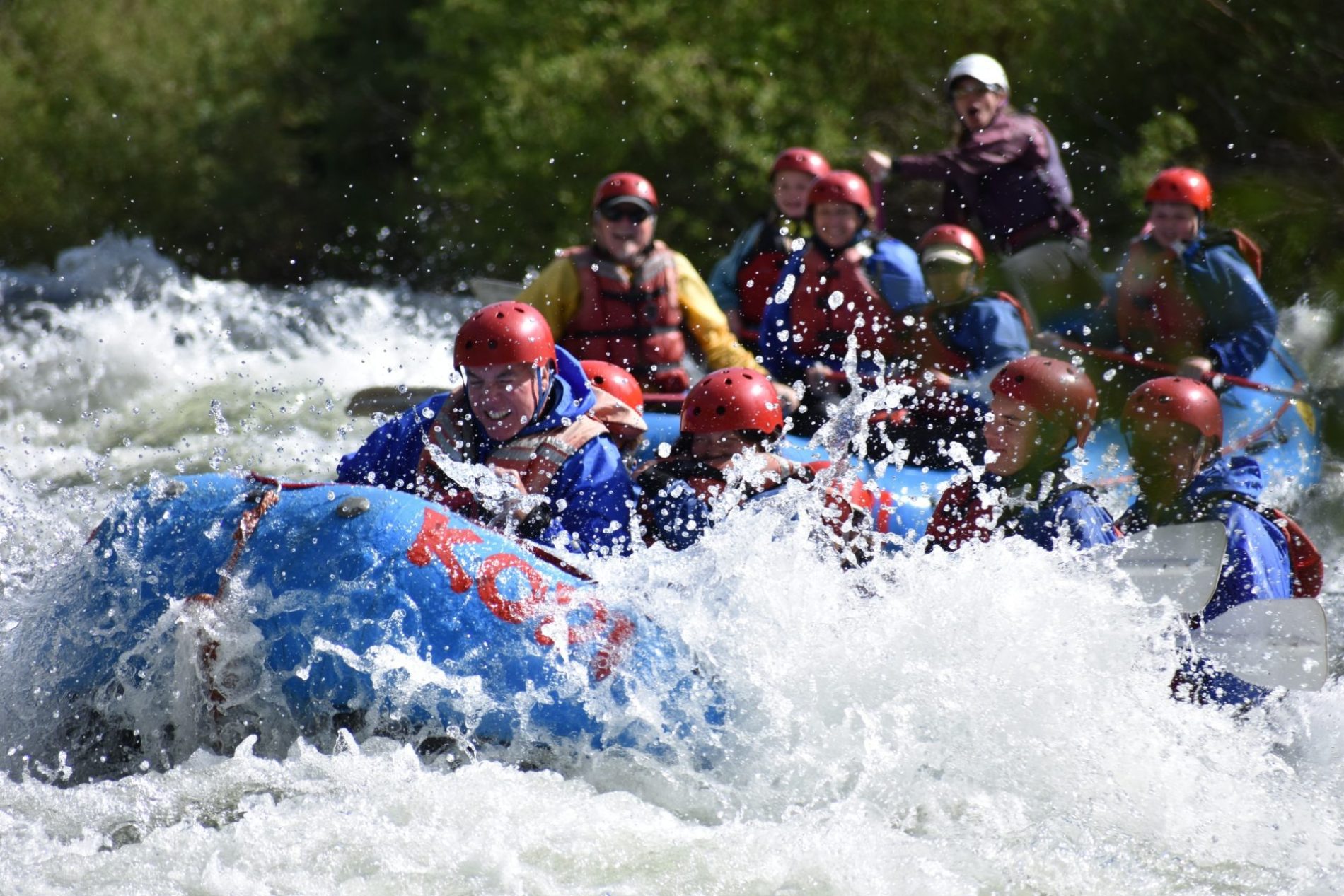
Class III Rapids Explained: Safety, Age Requirements & What to Expect
| Quick AnswerClass III rapids are moderate to moderately difficult whitewater sections featuring irregular waves, strong currents, and narrow passages that require maneuvering. They are suitable for beginners with guidance and intermediates paddling independently. Most outfitters recommend a minimum age of 7–12, depending on the specific run and river conditions. |
Introduction
If you're researching a Colorado rafting trip, chances are you've come across the term "Class III rapids." It's one of the most common whitewater ratings you'll see, and for many paddlers, it's where rafting gets really fun.
In Colorado, some of the most popular Class III rafting sections include Browns Canyon on the Arkansas River and parts of the Blue River near Breckenridge. These runs are known for delivering exciting whitewater without the intensity of more advanced Class IV and V sections.
What Are Class III Rapids? (The International Scale Explained)
The International Scale of River Difficulty, also known as the Whitewater Classification Scale, rates rivers from Class I (flatwater) to Class VI (essentially unrunnable and life-threatening). Class III sits in the middle of this scale and is described as:
- Whitewater with moderate, irregular waves that may be difficult to avoid."
- Strong currents and possible narrow passages requiring maneuvering.
- Complex moves are required, but routes are generally clear to experienced paddlers.
- Self-rescue is usually possible if a swimmer ends up in the water.
In practical terms, this means you'll feel real current, you may get wet from splashing waves, and your guide or paddling group will need to make intentional moves. It's not a leisurely float, but it's also far from life-threatening for a prepared group.
Class III vs. Class II and Class IV: How Do They Compare?
Understanding where Class III falls within the broader scale helps set the right expectations. Here's a comparison:
| Feature | Class II | Class III | Class IV |
| Wave Size | Small, regular | Moderate, irregular | Large, powerful |
| Current Strength | Easy current | Strong current | Turbulent, powerful |
| Swimmer Risk | Easy self-rescue | Self-rescue possible | Difficult self-rescue |
| Experience Needed | Beginner | Intermediate | Advanced |
| Guide Required? | Optional | Recommended | Highly recommended |
| Min. Suggested Age | 6+ | 7–10+ (varies) | 14+ typically |
Class III is widely considered the sweet spot for recreational rafting, exciting enough to be memorable, manageable enough that first-timers with a guide can participate safely.
Is Class III Safe? Key Safety Considerations
The good news? Class III rafting has introduced thousands of first-time paddlers to whitewater. With proper equipment, experienced guides, and the right river conditions, it offers a strong balance of adventure and safety.
Essential Safety Gear
• Personal Flotation Device (PFD) is always worn and properly fitted
• Certified whitewater helmet, especially in rocky stretches
• Wetsuit or drysuit in cold water environments
• Paddle with proper grip technique
• Safety throw rope carried by guides on commercial trips
Swimming Risk
Most Class III swims are manageable. The standard rule is to float on your back, feet downstream, toes up, and wait for assistance from your guide or safety kayaker. Self-rescue is generally possible in Class III, one of the defining factors that separates it from Class IV.
When Class III Gets Riskier
- High water levels after rain can temporarily push Class III rivers into Class IV+ territory.
- Cold water increases hypothermia risk significantly.
- Remote gorges reduce access for rescue if something goes wrong.
- Non-guided trips without proper skills amplify risk considerably.
Always check current river flow levels (measured in CFS, cubic feet per second) before your trip. Outfitters monitor these daily and may adjust trip difficulty ratings accordingly.
Age Requirements for Class III Rafting
There is no universal legal minimum age; Class III rafting requirements vary by outfitter, specific river, and water conditions. However, here are the general guidelines commonly used by commercial outfitters:
| Scenario | Typical Min. Age | Notes |
| Mellow Class III (lower flows) | 7–8 years | With the parent/guardian in raft |
| Standard Class III commercial trip | 10–12 years | Varies by outfitter policy |
| Higher-flow or technical Class III | 13–16 years | Physical strength matters |
| Private/non-guided trip | Adult supervision required | Strong swim skills needed |
Weight minimums (often 50–70 lbs) are frequently more important than age alone, as children need to fit properly in safety gear and have enough body mass to stay seated in the raft.
What to Expect on a Class III Rafting Trip
First-timers often ask: 'Will I actually feel like I'm in danger?' The honest answer: you'll feel the rush of real whitewater, but a well-run Class III trip is designed to be exhilarating rather than terrifying.
Before You Hit the Water
- Safety briefing covering paddle commands (forward, back, stop), swimming position, and what to do if you fall out
- Gear fitting: PFD and helmet sizing
- A practice paddle in calm water to get comfortable with commands
On the River
- You'll paddle as a team, following your guide's commands
- Expect waves that splash into the raft; you will get wet
- Between rapids: calm stretches let you catch your breath and enjoy the scenery
- Guides read the river ahead and call the approach to each rapid
After the Run
- Most commercial trips include a shuttle back to the put-in
- Warm-up options and a chance to debrief about the rapids you ran
Who Is Class III Suited For?
Class III whitewater rafting is a good fit for:
- Families with older children (10+) looking for adventure together
- Adults with no prior rafting experience who want to try a guided trip
- Intermediate kayakers and paddlers looking for a step up from flatwater
- Groups wanting team-building adventure activities
It is not the best choice for very young children, non-swimmers with anxiety around water, or anyone with certain physical conditions. Always consult with your outfitter honestly about any health concerns.
Conclusion
Class III rapids offer one of the best entry points into whitewater rafting for those wanting real adventure without extreme risk. With the right guide, proper safety gear, and an honest understanding of your group's fitness and swimming ability, a Class III run is an incredibly rewarding experience, one that most participants want to repeat. Do your homework on the specific river, ask your outfitter about current water levels, and come ready to paddle hard and get wet.
Frequently Asked Questions About Class III Rapids
Q1 : Do I need prior experience to raft Class III rapids?
No prior rafting experience is needed for a guided Class III trip. Commercial outfitters provide full safety briefings and an experienced guide in every raft. However, basic swimming ability is strongly recommended, and comfort in water is important.
Q2: What is the difference between Class III and Class III+ rapids?
A '+' rating means the rapid is at the upper end of its class, more challenging than a typical Class III but not quite a Class IV. On some rivers, specifically named rapids within a Class III run might be rated 3+ when water levels are elevated.
Q3: Can non-swimmers do Class III rapids?
Swimming ability is strongly recommended. Many commercial rafting trips can accommodate non-swimmers, but participants should be comfortable in the water and follow guide instructions carefully.
Q4: What is the minimum weight for Class III rafting?
Many outfitters set a minimum weight of 50 to 70 pounds (approximately 23–32 kg) for children. This is primarily a safety requirement; children need to fit snugly in the PFD and have enough body mass to resist being thrown around in the raft.
Q5: How long does a Class III rafting trip typically last?
Half-day rafting trips typically last 2–4 hours total, with actual river time varying based on the section and water levels. Full-day trips can be 5–8 hours, including travel, briefing, and the river run itself. Multi-day expeditions are also available on longer river sections.
Q6: Is Class III whitewater safe for pregnant women?
Outfitters universally advise pregnant women to avoid Class III and above due to the physical impact of rapids and the risk of being thrown from the raft. Always consult your doctor and check with your outfitter directly.
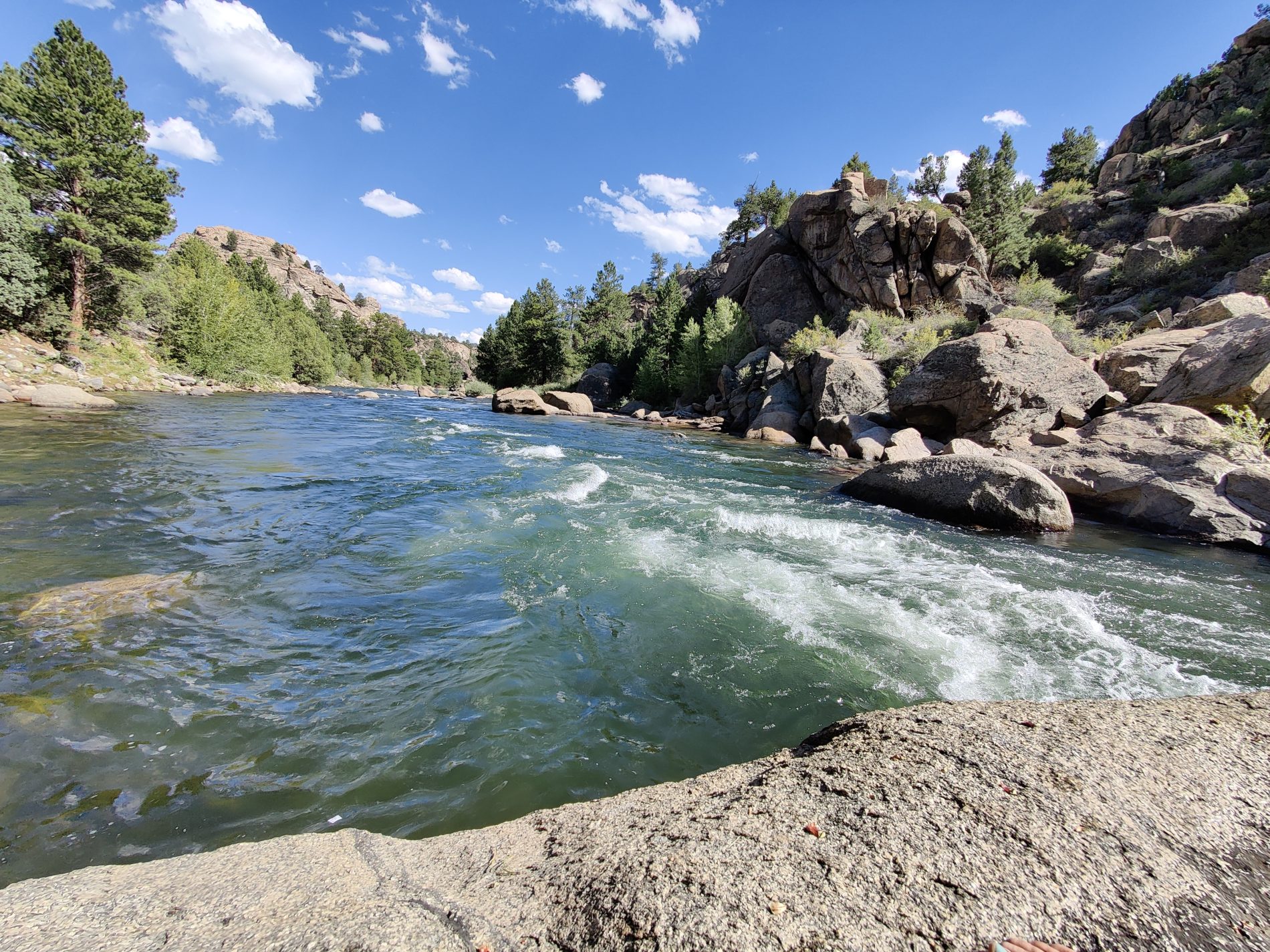
Inflatable Kayaks: Why They Work So Well for Colorado's Low-Water Rafting Season
Direct Answer
Are inflatable kayaks a good fit for Colorado's low-water season?
Yes. Inflatable kayaks, often called "Duckies", handle low-water Colorado rivers well because their flexible hulls absorb contact with exposed rocks and shallow riverbeds. They're lighter and more forgiving than hard-shell kayaks, which makes them practical when flows drop and conditions get rocky in late summer and early fall.
Introduction
When Colorado's snowmelt slows down, river flows drop noticeably. Shallow channels, exposed rock gardens, and tighter lines become the norm across popular runs like the Upper Colorado and Arkansas Rivers.
That shift in conditions changes what gear makes sense on the water. That's exactly where inflatable kayaks, better known as Duckies, start to shine. Here's a practical look at why, and what inflatable kayak trips on Colorado rivers actually look like.
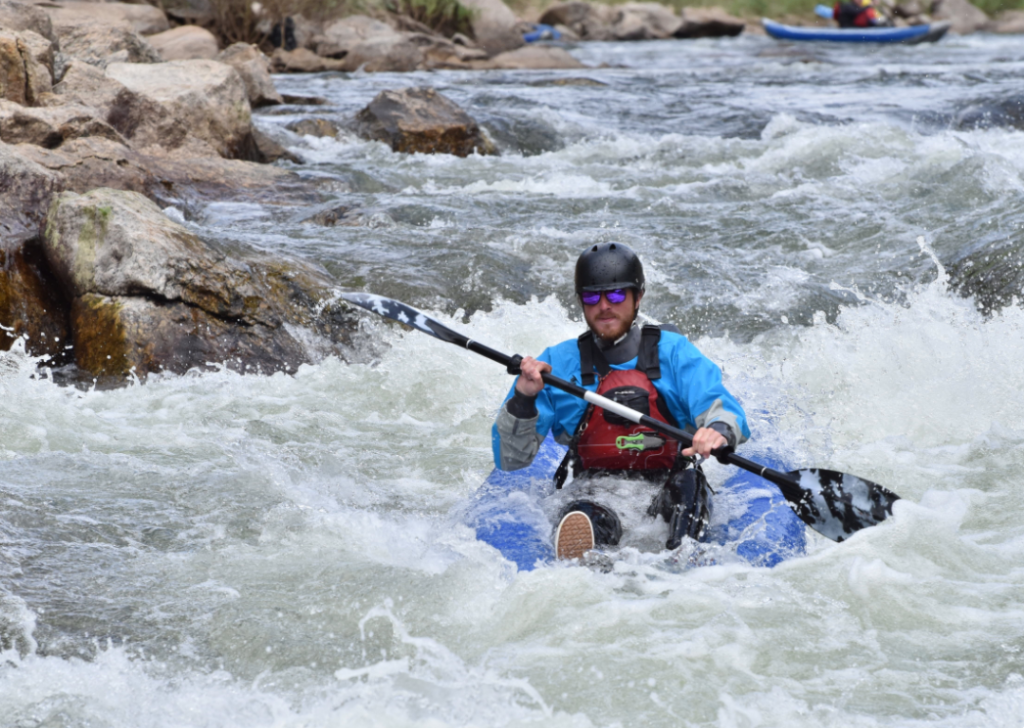
What Low-Water Season Looks Like on Colorado Rivers
Low-water season in Colorado generally runs from late July through early October, after the main spring runoff has passed. During this window:
- River flows drop across the most popular sections
- Rocks and shallow areas become more exposed
- Some rapids ease off; others get more technical and require precise lines
- Canyon walls, wildflowers, and wildlife are more visible with calmer water
Runs on the Upper Colorado River and Arkansas River, including sections like Big Bend, take on a noticeably different character during this period compared to peak spring flows.
Why Inflatable Kayaks Suit Low-Water Conditions
1. They Handle Rock Contact Better
Hard-shell kayaks scratch, gouge, and crack when they hit shallow rock. Inflatable kayaks are built from thick, reinforced material that flexes on impact rather than taking damage. On Colorado's rocky low-water runs, that makes a real practical difference.
2. Lighter and More Responsive
Duckies are lighter than rigid kayaks and respond quickly to paddle input. In tight, technical water, which is more common when flows are low, that responsiveness helps paddlers make quick corrections and navigate narrower channels.
3. Shallower Draft
Inflatable kayaks sit higher on the water than hard shells. That shallower draft lets them float through sections where a rigid boat would drag or stop. On low-water Colorado runs, a few extra inches of clearance matter.
4. Accessible Without Being Tame
The Duckie's stable design makes it manageable for paddlers with little prior experience. At the same time, paddling your own boat through Class II and III whitewater is genuinely engaging; you are reading the river, choosing your line, and feeling every wave firsthand.
Inflatable Kayak vs. Hard-Shell Kayak on Low-Water Rivers
| Feature | Inflatable Kayak (Duckie) | Hard-Shell Kayak |
| Rock impact tolerance | Flexes and absorbs contact | Scratches and cracks |
| Draft depth | Shallow — suits low water well | Deeper — more prone to grounding |
| Weight | Lighter and easier to handle | Heavier |
| Beginner accessibility | High | Moderate |
| Repairability on the river | Simple patch kit | Difficult |
| Guided tour availability | Yes — multiple options in Colorado | Limited |
Duckie Kayak Trips Available in Colorado
KODI Rafting runs several inflatable kayak tours across Colorado rivers, ranging from calm beginner-friendly floats to more technical half-day runs. All Duckie trips follow a guide; you are paddling your own boat, but you're not on your own.
Upper Colorado River Half Day Duckie Trip
- River: Colorado River
- Difficulty: Class I–II (Beginner)
- Departure Times: 9:15 AM and 1:30 PM
- Age: 14+ / call for details about younger participants
- Price: Starting at $130 per person
This section of the Upper Colorado moves through canyon walls, forests, and open meadows. Rapids are mild, and guides cover the area's natural and local history along the way. A good starting point for anyone new to kayaking.
Big Bend Half Day Duckie Trip
- River: Arkansas River
- Difficulty: Class II (Beginner)
- Departure Times: 9 AM and 1 PM
- Age: 14+ / call for details about younger participants
- Price: Starting at $130 per person
Big Bend is a calmer stretch of the Arkansas River with winding turns and splashy Class II rapids. The pace is manageable, which makes it a solid option for first-time Duckie paddlers.
Arkansas River Half Day Duckie Trip
- River: Arkansas River
- Difficulty: Class II–III (Moderate)
- Departure Times: 9:15 AM and 1:15 PM
- Age: 14+ / call for details about younger participants
- Price: Starting at $130 per person
A step up in difficulty from the Big Bend section. Class II–III rapids on the Arkansas require more active paddling and quicker decision-making. Better suited for paddlers who have some river experience or are comfortable with moving water.
Upper Colorado River Full Day Duckie Trip
The full-day version of the Upper Colorado trip covers more river at a relaxed pace. Class I–II water throughout. Paddlers can go solo or share a tandem Duckie. Depending on river conditions, some trips may even include a stop near natural hot springs along the route. All duckies follow a guide.
Duckie Add-On
For groups that want to try both, the Duckie add-on lets participants swap between the raft and a Duckie at certain points during a standard raft trip. It's a great option for families and groups with different comfort levels, allowing some participants to paddle a Duckie while others enjoy the stability of a guided raft.
Who Suits Inflatable Kayak Tours in Low-Water Season?
Low-water season works for a range of paddlers, but it's worth being honest about what fits who.
Generally, a good match:
- First-time kayakers who want a guided, lower-stakes introduction to paddling their own boat
- Families where adults want to kayak while younger kids ride in the guided raft alongside
- Intermediate paddlers looking for a more hands-on experience than group rafting
- Visitors in late summer or fall who still want a river day when flows are lower
It is worth speaking with KODI before booking if:
- Children under 14, contact KODI directly, as exceptions may apply depending on conditions and the trip.
- For paddlers with no river experience who are considering Class III water, starting on a Class I–II section first makes more sense.
- For groups with very mixed skill levels, the Duckie add-on may be a more flexible fit.
Low water doesn't automatically mean easy water. Rocky, shallow sections can be more technical than higher flows in certain ways. Having a guide in front sets the line and keeps the group oriented.
Where Duckie Kayak Tours Run in Colorado
KODI Rafting's inflatable kayak tours are accessible from several Colorado towns and mountain communities:
- Breckenridge
- Buena Vista
- Denver
- Dillon
- Frisco / Copper Mountain
- Idaho Springs
- Keystone
- Kremmling
- Silverthorne
Ready to Try a Duckie?
Whether you're looking for a beginner-friendly float or a more technical Arkansas River adventure, Duckie trips offer one of the most hands-on ways to experience Colorado whitewater.
KODI Rafting offers guided inflatable kayak trips on the Arkansas River and Upper Colorado, with options for first-time paddlers and experienced adventurers alike.
👉 Explore Duckie trips at whitewatercolorado.com
📞 Call (877) 747-7238 to find the right trip for your experience level.
Frequently Asked Questions
Q: What is a Duckie kayak?
A Duckie is an inflatable kayak, a lightweight, air-filled boat that one or two paddlers control independently on the river. Unlike a group raft, you're steering and paddling your own vessel. The name is informal but widely used among Colorado River outfitters.
Q: Are inflatable kayaks safe for Colorado whitewater?
Every trip is led by an experienced river guide who helps set the line, provides instruction, and supports paddlers throughout the trip.
Q: Do I need kayaking experience to join a Duckie tour?
Not for beginner trips. The Upper Colorado and Big Bend Duckie trips are designed for paddlers with no prior kayaking experience. The Arkansas River Half Day trip involves Class III water and suits those more comfortable with moving water.
Q: What's the minimum age for Duckie tours?
Most trips require participants to be 14 or older. For younger participants, contact KODI Rafting directly at (877) 747-7238, eligibility can vary by trip and conditions.
Q: Can I combine rafting and kayaking on the same trip?
Yes. The Duckie add-on option lets your group alternate between a standard raft and a Duckie during the same trip, which works well for groups with mixed preferences.
Q: When does the low-water season run in Colorado?
Generally, late July through early October, after the peak spring runoff subsides. River conditions vary by location and year, so checking current river conditions before your trip is always a good idea.
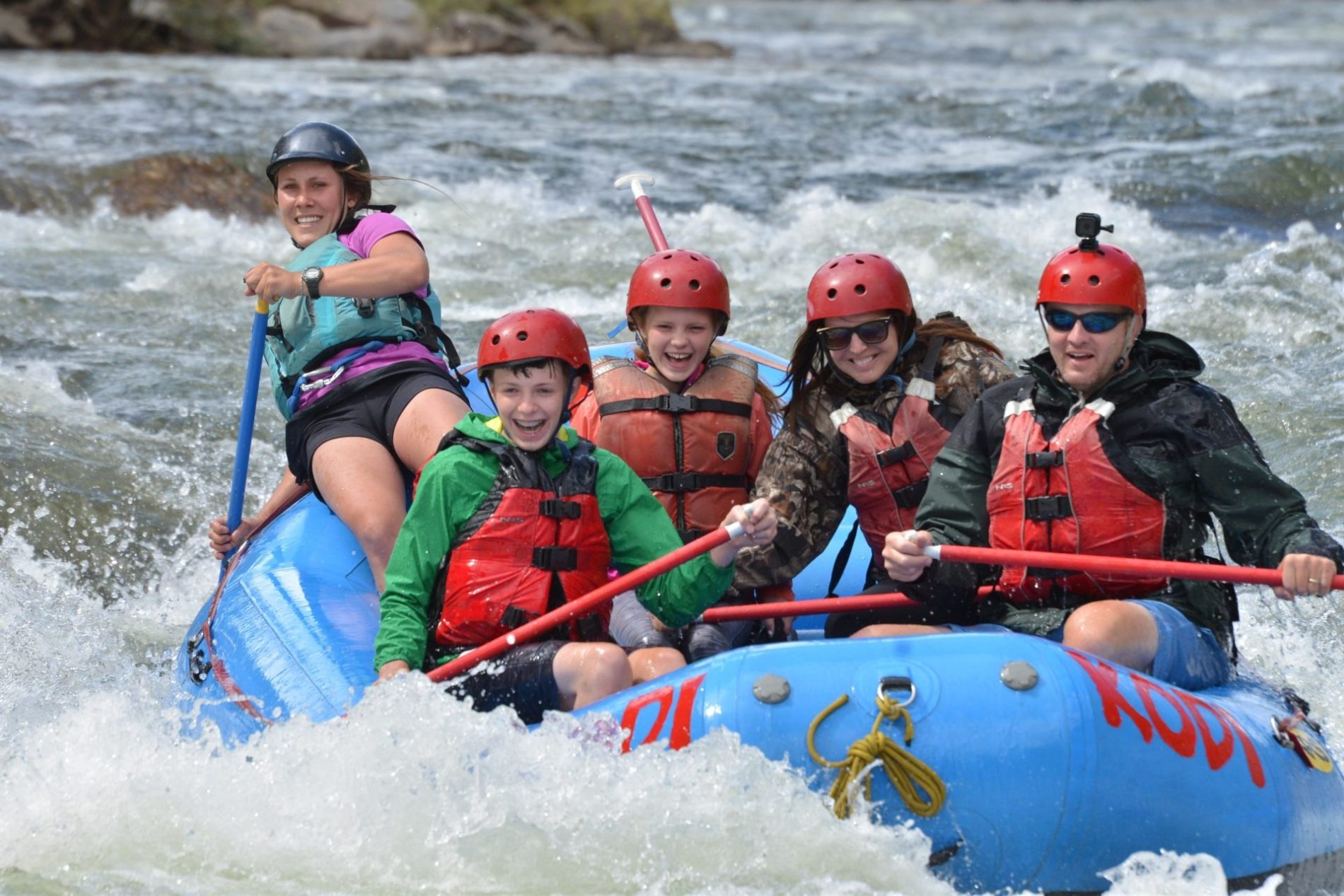
Best Family Outdoor Activities in Colorado: Safe & Fun Adventures for All Ages
| QUICK ANSWERColorado's best family outdoor activities include whitewater rafting, hiking in Rocky Mountain National Park, sandboarding at Great Sand Dunes, ziplining, and hot springs. Many activities are suitable for kids as young as 3. Peak season is June–August, but Colorado offers family adventures year-round. |
Colorado is a world-class family adventure destination. With 300+ days of sunshine, 58 peaks above 14,000 feet, and wild rivers cutting through dramatic canyon scenery, there's no shortage of outdoor experiences built for every age.
This guide highlights some of Colorado’s best family-friendly outdoor adventures, along with age recommendations and local tips to help you plan the perfect trip.
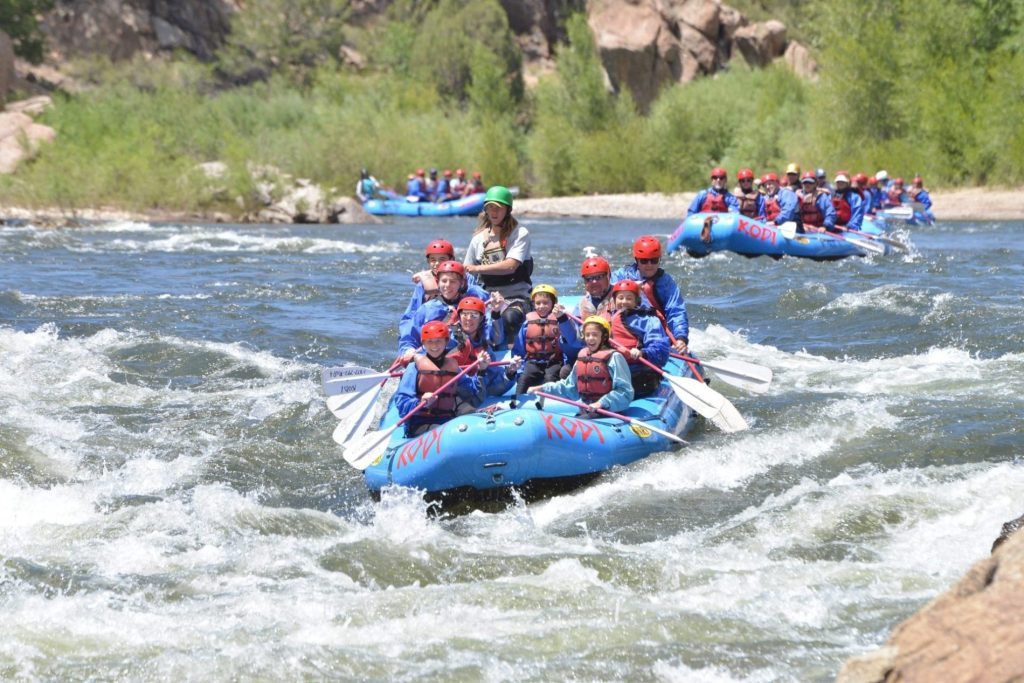
Key Takeaways
- Whitewater rafting starts at age 3 on beginner trips, not just for teens
- Colorado has outdoor activities year-round, not just in the summer
- Bundling activities (raft + zipline + hot springs) saves time and money
- Always book licensed outfitters: safety gear and guides are included
- Hydrate before any activity above 8,000 feet, Colorado’s altitude can affect visitors quickly, so hydration is essential.
- Most parks and trails are free or low-cost with a National Parks Pass
What Are the Best Family Outdoor Activities in Colorado?
Here's a quick comparison of the top options, sorted by thrill level:
| Activity | Min. Age | Level | Best Location |
| Family Whitewater Rafting | 3–5 yrs | Beginner | Arkansas River, Upper Colorado |
| Hiking | All ages | Easy–Moderate | Rocky Mountain National Park |
| Sandboarding | All ages | Easy | Great Sand Dunes National Park |
| Ziplining | 7 yrs+ | Moderate | Salida, Breckenridge, Buena Vista |
| Hot Springs | All ages | Easy | Glenwood Springs, Buena Vista |
| Horseback Riding | 5 yrs+ | Easy | Estes Park, Ouray, Buena Vista |
| Mountain Biking | 8 yrs+ | Moderate | Breckenridge, Crested Butte |
| Advanced Rafting / Kayaking | 12 yrs+ | Thrilling | Browns Canyon, Clear Creek |
Why Is Whitewater Rafting the #1 Family Outdoor Activity in Colorado?
Rafting tops most families' Colorado highlight reel, and for good reason. Few Colorado activities work for as many ages and experience levels as whitewater rafting.
KODI Rafting's family trips on the Big Bend section of the Arkansas River welcome kids ages 3 and up to calm Class I–II water. Older kids and teens can step up to Browns Canyon's Class III–IV rapids. Families can choose calm scenic floats or more exciting whitewater depending on experience level.
Everything is provided: wetsuits, helmets, life jackets, and certified guides. No gear shopping. No complicated prep. Just show up ready for adventure.
It's also genuinely memorable. Spotting bighorn sheep from the raft, paddling through canyon rapids together, these are the moments families talk about for years.
Best Beginner Rafting Trips for Families
Big Bend Half Day: Gentlest option. Calm water, scenic Arkansas River views. Ages 3+.
Upper Colorado River Half Day: Mild rapids, wildflower meadows, granite canyon walls. Guides share local history. Ages 5+.
Clear Creek (Idaho Springs): Class II–III through a historic mining canyon. Easy day trip from Denver. Ages 7+.
| Ready to Book Your Family Rafting Adventure?KODI Rafting has run safe, guided family trips across six Colorado rivers since 1986. Voted #1 rafting company 11 times by Summit Daily Reader's Poll.
Explore Family Rafting Trips → whitewatercolorado.com/river-trips/white-water-rafting-for-kids/ |
What Are the Best Family Hiking Spots in Colorado?
Colorado has hundreds of family-friendly trails. Match the trail to your kids' age, that's the step most guides skip.
- Rocky Mountain National Park: The Sprague Lake loop (0.9 miles, totally flat) works for toddlers. Emerald Lake Trail is ideal for elementary-age kids. The area is known for frequent wildlife sightings, including elk, moose, and marmots
- Lair o' the Bear (Morrison): 2-mile creek-side loop. Free to enter. Kids love the massive cottonwood trees along the trail.
- Hanging Lake (Glenwood Canyon): Reservations required, but worth it. A steep 2.4-mile round trip leads to a stunning turquoise lake. Best for ages 10+.
Pro tip: Start all hikes before 11 AM. Afternoon thunderstorms build fast above treeline in Colorado, so an early start keeps your family safe.
What Hidden Gem Outdoor Activities Do Most Families Miss?
Most travel guides stop at hiking and rafting. These four deserve a spot on your list:
- Sandboarding at Great Sand Dunes: North America's tallest dunes (up to 750 feet). Rent a sled, climb, and fly down. Medano Creek forms a natural splash zone in late spring, basically a natural water park built by nature.
- Hot Springs: Glenwood Hot Springs Pool is the world's largest outdoor hot spring, open year-round. KODI's Paddle & Dip package pairs a rafting trip with hot springs in a single perfect day.
- Duckie Kayaking: Inflatable one- or two-person kayaks on the Arkansas River. Kids 7+ love the independence of steering their own boat. KODI's Duckie trips are beginner-friendly.
- Horseback Riding + Rafting: KODI's Saddle Paddle package combines a guided horseback ride through Colorado ranchland with a river float. Two iconic experiences, one booking.
How Do You Pick the Right Activity for Your Family's Age?
Here's a simple age-based framework:
- Toddlers (2–4): Flat hikes, Great Sand Dunes, hot springs, shallow pools, and Class I–II river floats.
- Kids (5–11): Beginner rafting, horseback riding, duckie kayaking, moderate hikes, and ziplining (min. 60 lbs on most courses).
- Teens (12+): Browns Canyon Class III–IV rapids, mountain biking, multi-day rafting trips, and advanced zipline courses.
One scheduling tip: do your most active adventure first thing in the morning. Save hot springs or a scenic float for the afternoon, it makes the perfect recovery activity.
Make Your Colorado Family Vacation Truly Unforgettable
Colorado is one of the few places where families can raft rivers, hike mountain trails, soak in hot springs, and zipline through forests all in the same trip.
Whether you’re planning your first Colorado vacation or coming back for another round of adventure, the right mix of activities can turn a good trip into one your family talks about for years.
Explore family-friendly rafting trips and adventure packages at whitewatercolorado.com
Frequently Asked Questions
1. At what age can kids start whitewater rafting in Colorado?
Kids as young as 3 can join mild Class I–II floats. KODI Rafting's family trips on Big Bend and the Upper Colorado River welcome children from age 3 on the calmest sections.
2. What is the best time of year for family outdoor activities in Colorado?
June through August offer the most options, rivers are running, trails are open, and temperatures are pleasant. Spring (May–June) is great for wildflowers and fewer crowds. Fall (September–October) brings stunning foliage with mild hiking weather.
3. Are there free family outdoor activities in Colorado?
Yes. Rocky Mountain National Park offers family-friendly trails covered by park entry. Great Sand Dunes charges a small fee, but sandboarding with a rented sled is budget-friendly. Many state park trails cost just a day pass.
4. Is whitewater rafting safe for kids?
Yes, when booked through a licensed outfitter. KODI Rafting's guides are professionally trained, beginner family trips typically run Class I–II rapids, and proper safety gear is always provided.
5. What should families pack for outdoor adventures in Colorado?
Pack layers (mountain weather changes fast), sun protection, sturdy shoes, and plenty of water. For rafting, we provide wetsuits, helmets, and life jackets; no extra gear is needed from you.
6. Can we combine multiple outdoor activities in one Colorado trip?
Yes. We offer packages bundling rafting with ziplining (Zip & Raft), horseback riding (Saddle Paddle), and hot springs (Paddle & Dip), perfect for families who want maximum adventure in one trip.
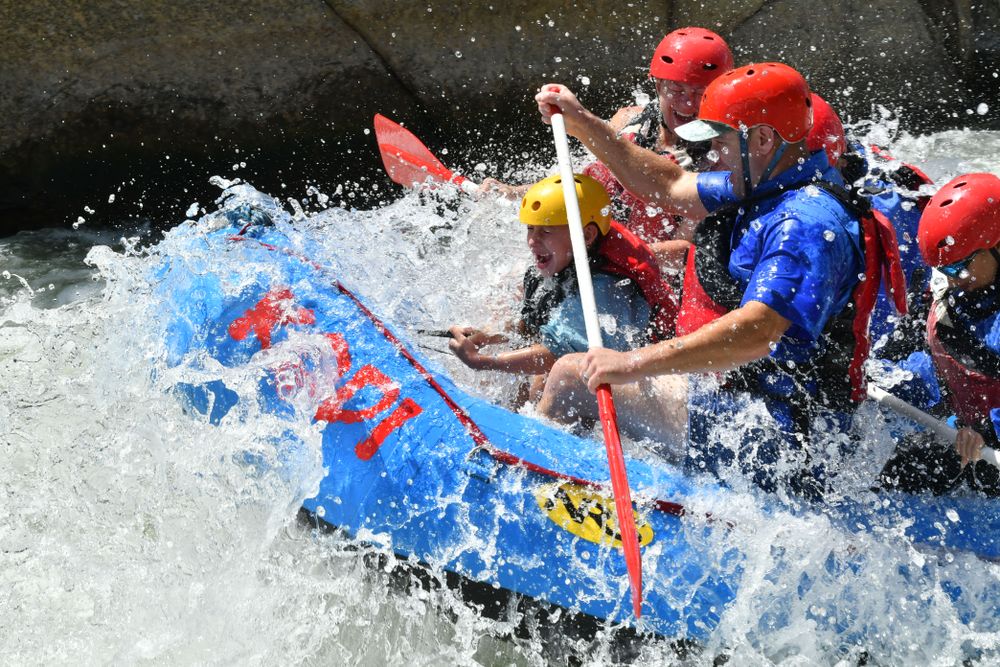
Best Whitewater Rafting Near Denver (Within 2 Hours) – 2026 Local Guide
If you are searching for rafting near Denver, you’re in the right place. Colorado's Rocky Mountain rivers deliver fast rapids, scenic canyons, and some of the best whitewater in the country within easy reach of the city, no long-haul road trip required. Whether you are planning a quick half-day adventure or a full-day escape, KODI Rafting has been helping Colorado visitors and locals get on the water since 1986, with trips for every skill level across multiple rivers and locations.
Here's a look at the top options, all within roughly two hours of Denver.
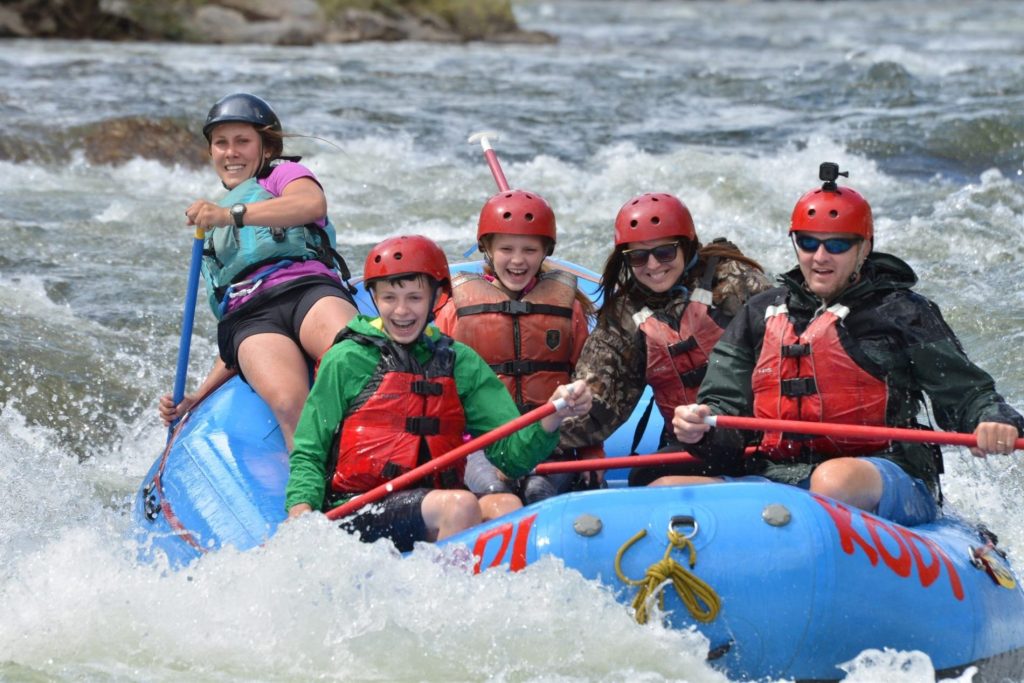
Clear Creek, Idaho Springs: The Closest Whitewater to Denver
Clear Creek in Idaho Springs is the most convenient rafting near Denver, and KODI Rafting is the only outfitter located right in the town of Idaho Springs with direct riverfront access. That makes a real difference, less time shuttling means more time on the water.
KODI offers three Clear Creek trips to match different experience levels:
- Clear Creek beginner trip (Class II–III)
Perfect for families and first-time rafters looking for a fun, confidence-building introduction to whitewater, this trip winds through a historic mining town on a continuous stretch of Class II–III whitewater. The surrounding alpine scenery makes it just as much a sightseeing experience as an adventure. It's ideal for anyone taking their first rafting trip.
- Clear Creek intermediate half-day trip (Class II–IV)
A popular choice for thrill-seekers and adventurous beginners alike, this half-day run takes paddlers past rugged granite cliffs and towering pine trees, then floats through Idaho Springs. Clear Creek's scenery on this stretch is among the most breathtaking scenery in Colorado.
- Clear Creek advanced half-day trip (Class II–IV)
Serious paddlers can step it up in a smaller boat, starting with the Meat-n-Beef and Lumpy's rapids east of Georgetown, then tackling Nomad and Phoenix Holes further downstream. More wave action, smaller craft, bigger thrills.
Browns Canyon National Monument: Colorado's Most Iconic Whitewater
Located near Buena Vista and roughly two hours from Denver, Browns Canyon on the Arkansas River is one of Colorado’s most iconic whitewater experiences.
Expect fun, splashy Class III rapids, stunning canyon views, and one of the most scenic rafting runs in the American West.
KODI Rafting offers several Browns Canyon trip formats:
- Browns Canyon half-day
About 2.5 hours on the water (flow dependent), this is the most accessible way to experience Browns Canyon, a solid Class III adventure that works well for families and those newer to whitewater rafting.
- Browns Canyon full-day
A 4+ hour trip down the Arkansas River, including a riverside lunch prepared by your guide. If you want to fully commit to the canyon experience, this is the one.
- Browns Canyon Extreme
The same famous rapids, but in a nine-foot raft with just two guests and a guide. KODI describes it simply: dress to swim, because you will get wet.
- Browns Canyon overnight
For those who want to go further, KODI also offers an overnight camping trip along the banks of the Arkansas River inside Browns Canyon National Monument, an experience very few people get to have.
Quick Comparison: KODI Rafting Trips Near Denver
Here’s a quick breakdown of your options:
| River / Location | Class | Format | Best For |
| Clear Creek – Beginner (Idaho Springs) | II–III | 2 hrs | Families, first-timers |
| Clear Creek – Intermediate (Idaho Springs) | II–IV | Half-day | Adventurous beginners |
| Clear Creek – Advanced (Idaho Springs) | II–IV | Half-day | Serious paddlers |
| Browns Canyon – Half Day (Buena Vista) | II–III | ~2.5 hrs | Families, all levels |
| Browns Canyon – Full Day (Buena Vista) | II–III | 4+ hrs + lunch | Full-day adventurers |
| Browns Canyon – Extreme (Buena Vista) | II–III | Half-day | Thrill-seekers |
What to Know Before You Go
- Dress to get wet, and skip the cotton
Wear quick-drying fabrics. Avoid cotton, it stays cold and wet.
- Leave valuables in the car
Phones, sunglasses, and jewelry are easily lost in whitewater. Leave them behind or bring a dry bag with a lanyard if you absolutely need your phone on the river.
- Listen to your guide
KODI’s guides are trained in river navigation, rescue, and safety. Follow their instructions for the best experience.
Ready to Book Your Rafting Trip Near Denver?
With over 30 raft trips across six Colorado rivers, KODI Rafting has been Colorado's preferred river outfitter since 1986, and voted the #1 rafting company 11 times by the Summit Daily Reader's Poll. Whether you're on a tight timeline and want the closest option (Clear Creek, Idaho Springs), or you have the day to make it to Browns Canyon National Monument, there's a trip that fits your group and experience level.
Call KODI at (877) 747-7238 or visit whitewatercolorado.com to find your perfect rafting near Denver adventure and book your spot.
Frequently Asked Questions (FAQs)
- What is the closest whitewater rafting to Denver?
KODI Rafting offers the closest rafting near Denver on Clear Creek in Idaho Springs, located about 30–45 minutes from downtown Denver, depending on traffic.
- Is Clear Creek rafting good for beginners?
Yes. The Clear Creek beginner trip features Class II–III rapids and is designed for families, first-time rafters, and anyone looking for a fun introduction to whitewater rafting in Colorado.
- What are the best rafting trips near Denver for families?
Family-friendly rafting options include:
- Clear Creek Beginner Trip (Idaho Springs)
- Browns Canyon Half-Day Trip (Arkansas River)
Both offer scenic rafting with manageable rapids suitable for most beginners.
- Which rafting trip near Denver has the biggest rapids?
The Clear Creek Advanced Half-Day trip offers the most technical and exciting rapids near Denver, including famous sections like Meat-n-Beef and Nomad Rapids.
- When is the best time for rafting near Denver?
The best rafting season in Colorado typically runs from May through September, with peak whitewater flows usually occurring in June.